





Introduction — Vacation rental scams in Gran Canaria: why vigilance matters
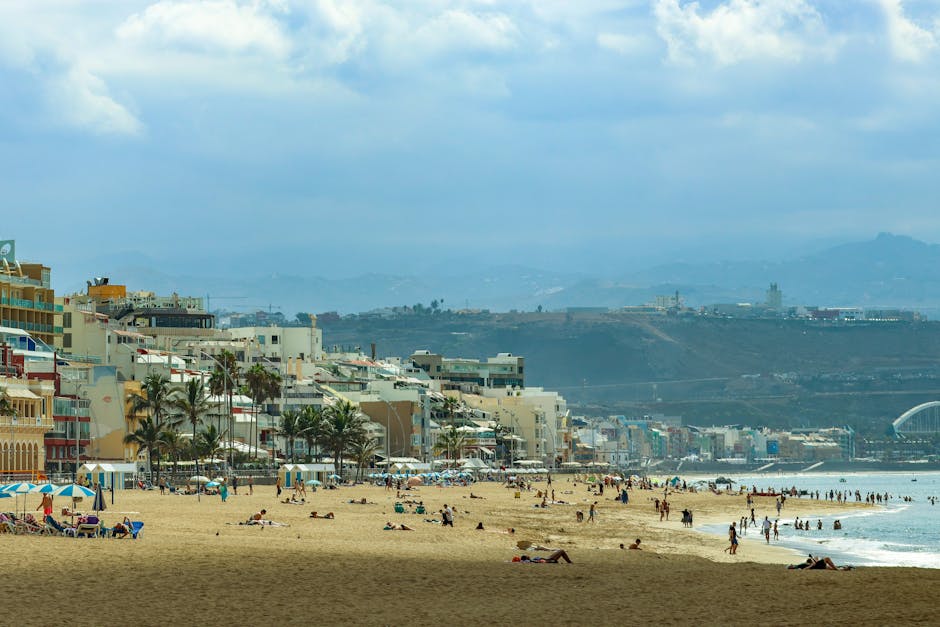
Gran Canaria, one of the Canary Islands’ most iconic spots with the Maspalomas dunes, city beaches like Las Canteras in Las Palmas de Gran Canaria and charming towns such as Puerto de Mogán, draws hundreds of thousands of visitors every year. That mix of high seasonal demand and a supply of rentals ranging from rustic flats to luxury villas unfortunately creates fertile ground for scams. From fake listings and keys that never materialize to deposits taken before puzzling logistical disappearances, travelers need to know what to check before paying, signing, or traveling.
In this practical, professional guide we outline the main types of scams found in Gran Canaria and provide useful addresses, indicative prices in euros, opening hours and concrete tips to verify a rental’s legitimacy. The goal is to give you clear checkpoints: how to spot a fake owner, where to verify official registration for a tourist rental, which local institutions to contact and what proof to request from the host. We’ll also cover real-life scenarios and practical remedies in case of a dispute, from contacting the local police to filing claims with payment platforms.
Gran Canaria is not just a beach destination — it’s an island with varied micro-economies. Neighborhoods in Las Palmas have a very active apartment market (for example Triana and the Playa de Las Canteras areas), while Maspalomas and Playa del Inglés are packed with seasonal tourist residences. Scams adapt accordingly: fake listings for urban flats, non-existent villas at Playa del Inglés or identity theft of reputable agencies. Fraudsters often use stolen photos, listings that sound too good to be true, and requests for payment via bank transfer or other hard-to-trace services.
We’ll also point you to local support resources: official offices where you can check a property’s registration, police stations to file complaints, places that offer free help (tourist offices, consumer associations) and how to interpret typical prices: for example a studio near Las Canteras can rent for €60–€120 per night in high season, while a villa in Maspalomas with a pool will often exceed €200 per night. You’ll learn to spot suspiciously cheap listings, high-pressure tactics demanding immediate payment, and how to insist on concrete proof such as the tourist registration number (VUT) and an owner’s ID.
To make this guide useful on the ground, we include full place names, exact addresses and typical opening hours for support services, plus recommended photo checks to verify a listing’s authenticity. By the end you’ll have a clear protocol to follow before booking, reliable local contacts and steps to take if something goes wrong. With preparation and vigilance you can enjoy Gran Canaria’s varied landscapes — from the cliffs of Agaete to the palm trees of Puerto de Mogán — without falling into the common traps of tourist rentals.
1) Know the most common scams and how to spot them
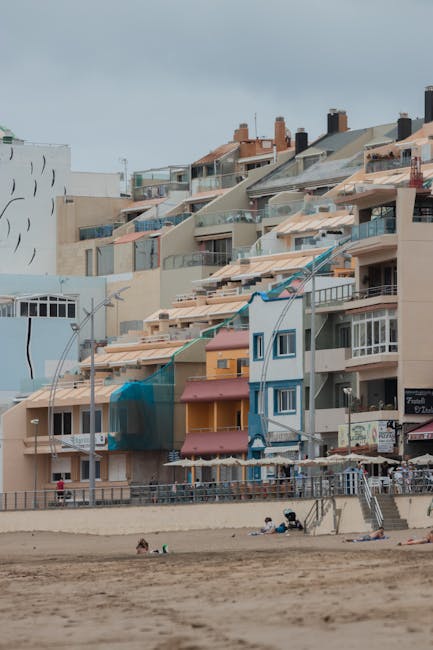
On Gran Canaria, rental scams come in several forms. The most frequent include: fake listings (stolen or invented photos), identity theft of legitimate agencies or owners, deposits required before signing then the host disappears, fraudulent overbooking (multiple bookings for the same property), and listings priced deliberately low to lure you into urgent payment. Here’s how to identify and respond to these traps.
- Photos that look overly professional but lack local details: if the listing shows high-resolution images but no recognizable exterior views (door numbers, street views, local details), it might be stolen. Ask for recent photos with date/time or a short live video tour of the property that includes the exterior view (street or beach view).
- Unrealistically low price: a studio near Playa de Las Canteras in high season usually costs €60–€120 per night; a villa in Maspalomas with a private pool often ranges from €150–€400 per night depending on size. If you see €20–€40 per night in a central area, be wary.
- Instant transfer without a contract: fraudsters prefer untraceable channels (Western Union, cryptocurrency, instant international transfers). Always insist on booking through a reputable platform (Airbnb, Booking.com) or on a contract and payment by credit card or PayPal.
- Missing tourist registration number: in Gran Canaria, tourist rentals must have a registration number from the Xunta de Canarias / Registro de Turismo de Canarias (VUT). If the listing does not display this number or the host refuses to provide it, decline the booking.
- Pressure to pay immediately: scammers use fear of missing out. Take time to verify. If the host applies excessive pressure for an immediate deposit, that’s a red flag.
Practical tips: ask for the full address (street, number, postal code), check it on Google Maps or Street View to see if the photos match reality, and cross-check the owner/agency name against reviews on multiple platforms. For official checks in Las Palmas you can contact the Oficina de Información Turística de Las Palmas de Gran Canaria at Plaza de Santa Ana 5, 35001 Las Palmas de Gran Canaria, typically open 09:00–18:00 (hours vary by season). They can help confirm local tourist registrations and point you to the nearest police station if necessary.

2) Verify legitimacy: registration numbers, contracts and proofs to request
Before any transaction, always request the tourist registration number (VUT or Registro de Turismo de Canarias) and verify it. This number proves the property is officially registered as tourist accommodation. On Gran Canaria, the absence of this number often indicates either an illegal rental or a scam. For official verification you can consult the Registro General de Empresas, Actividades Turísticas y Servicios (information available online) or contact the local town’s tourist office (for example Oficina de Información Turística de San Bartolomé de Tirajana, Avenida de Tirajana 4, 35100 San Bartolomé de Tirajana, hours 09:00–17:00).
Also insist on the following:
- A clear rental contract in Spanish and in English (or French if possible), stating the duration, total amount, cancellation conditions, security deposit and the registration number.
- Owner identification (national ID or NIE for foreign residents) and ideally a document proving ownership (nota simple from the Registro de la Propiedad or a tax receipt). If the person claims to be an agency, ask for the agency’s license number and office address.
- Ability to file a complaint: keep all written communications (emails, messages via platforms), proof of payment and screenshots. These will be necessary if you need to file a complaint with the Policía Nacional (Comisaría Provincial de Las Palmas, Calle Juan Rejón 2, 35003 Las Palmas de Gran Canaria — counter hours vary) or with a consumer association.
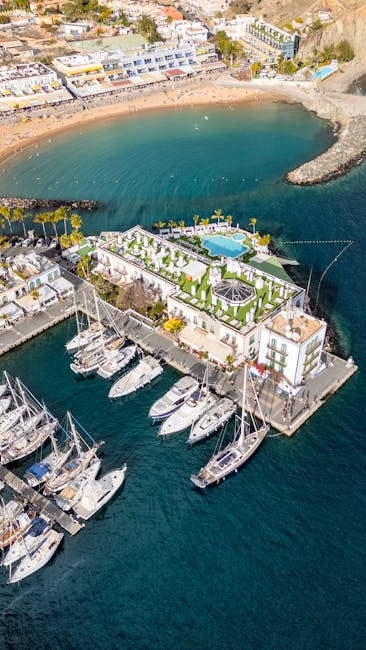
Concrete examples of checks: if you rent an apartment in Puerto de Mogán (Puerto de Mogán, 35138 Mogán), demand the VUT and confirm the property appears in the municipal register. For a villa in Playa del Inglés (Avenida de Tirajana, Playa del Inglés, 35100 San Bartolomé de Tirajana), compare the owner’s name on the contract with the details on the registry entry. If in doubt, go to the local Tourist Information Office for a quick check — assistance is usually free or offered for a nominal fee.
3) Secure payment methods, guarantees and deposit handling
Your choice of payment is key to reducing scam risk. Favor traceable, protected methods: credit card (payment through a secure platform), PayPal (buyer protection), or payments through the platform used to book (Booking.com, Airbnb). Avoid bank transfers, Western Union or cryptocurrency transfers — these make refunds nearly impossible.
Always request:
- A detailed receipt when paying a deposit or the balance, showing the exact amount in euros, payment method, purpose (deposit, security deposit) and any taxes or fees (tourist tax, cleaning fee).
- The refund policy spelled out in the contract: what portion is refundable in case of cancellation, the deadlines and who manages bookings (owner or agency).
- A reasonable security deposit: amounts vary. For an apartment in Las Palmas a common deposit is €100–€300; for a villa €500–€1,000 is not unusual. If you’re asked for a disproportionate sum with no justification, refuse.
If you paid by card via a platform, check that platform’s refund and fraud protection policies. For direct payments to an owner, ask for a local IBAN (ES…) and prefer Spanish banks to simplify any follow-up. Also note local bank hours for transfers: most banks open Monday–Friday 09:00–14:00; closed counters on weekends can slow dispute handling.

4) What to do if you’re scammed: local procedures and remedies
If you suspect you’ve been scammed, act quickly but calmly. First step: collect all evidence (screenshots, exchanges, contract, payment receipt). Then follow these concrete steps on Gran Canaria:
- Contact the platform: if the booking was through Airbnb, Booking.com or an online agency, report the issue immediately via their customer service. These platforms often mediate and can block payment or refund if fraud is proven.
- File a police report: go to the nearest Comisaría de Policía Nacional. In Las Palmas: Comisaría Provincial de Las Palmas, Calle Juan Rejón 2, 35003 Las Palmas de Gran Canaria. Bring copies of all documents. Victim reception hours vary; it’s often advised to arrive in the morning (09:00–13:00) for quicker assistance.
- Contact the Tourist Information Office: for practical advice and help with procedures, for example at the Oficina de Información Turística de San Bartolomé de Tirajana (Avenida de Tirajana 4, 35100 San Bartolomé de Tirajana, hours 09:00–17:00).
- Report to consumer groups: the Organización de Consumidores y Usuarios (OCU) can advise on remedies in Spain. Prepare your documentation and ask about possible civil actions.
At the same time, contact your bank to report the fraudulent transaction and start a chargeback if you paid by card. Keep a copy of the police report — it will be required for any refund process with a platform or your bank. If the scam involves identity theft of a local agency, inform the town hall (for example Ayuntamiento de Mogán, Plaza de Mogán 1, 35138 Mogán) so they can take administrative action.
Finally, share your experience: leave detailed reviews on booking platforms and Google Maps including the exact address and the fraudulent elements. This helps other travelers and pressures scammers to change tactics or disappear from the market.
Conclusion — Prepare, verify, enjoy: the winning formula for a stress-free rental in Gran Canaria
Gran Canaria offers a wide variety of landscapes and accommodations — contemporary flats in Las Palmas de Gran Canaria, family bungalows in Playa del Inglés, charming villas in Maspalomas or fisherman’s cottages in Puerto de Mogán — but variety also attracts fraudsters. The best antidote is preparation: always check the tourist registration number (VUT), request a clear contract, insist on ID verification and favor traceable payment methods. These steps greatly reduce the risk of being scammed.
Practically speaking, before you click « book »: compare the price with market rates (for example €60–€120/night for a studio near Playa de Las Canteras, €150–€400/night for a villa in Maspalomas), verify the full address on Google Maps, request dated photos or a live video, and note the VUT number. If something goes wrong, local resources — Comisaría Provincial de Las Palmas (Calle Juan Rejón 2, 35003 Las Palmas de Gran Canaria), the Oficina de Información Turística at Plaza de Santa Ana 5 (35001 Las Palmas) or the Oficina de Información Turística de San Bartolomé de Tirajana (Avenida de Tirajana 4, 35100 San Bartolomé de Tirajana) — are essential for filing a complaint or getting advice.
Your trip to Gran Canaria should stay positive and memorable. By following this guide you’ll have practical tools to tell a good deal from a scam, secure your payments and know where to turn if something goes wrong. Vigilance combined with simple steps (checking the VUT, secure payment, preserving evidence) will let you fully enjoy the island’s golden beaches, historic towns and volcanic panoramas with peace of mind.