





Introduction: Why understanding transport passes in Gran Canaria matters
Gran Canaria, a volcanic island in the Canary archipelago, is a place of dramatic diversity — from the golden dunes of Maspalomas to the rugged northern cliffs and the lively capital, Las Palmas de Gran Canaria. That variety means getting around smartly matters. Whether you’re on a short beach break or exploring the island for weeks, picking the right transport option and pass can save you money, time, and a lot of hassle. Public transport, especially the bus network operated under brands like TITSA/GLOBAL, links airports, ports, resort areas and mountain villages across the island.
This full guide will give you everything you need to choose, buy and get the most from transport passes in Gran Canaria: where to buy them, which options exist (single tickets, multi-ride booklets, weekly or monthly subscriptions, and tourist cards that combine transport with attractions), how much they cost, how to use them on board, and which choices suit which traveler profiles — sunbather, long-distance hiker, seasonal resident or digital nomad. We’ll also list useful physical addresses (bus stations, official offices), typical timetables for main routes and practical local tips to avoid common mistakes.
In the sections below you’ll find detailed descriptions of the main pass types, indicative prices (updated June 2024), official sales points with addresses and opening hours, and real-use scenarios to help you quickly calculate which option is best for you. We’ll be concrete: full place names (Estación de Guaguas de San Telmo, Aeropuerto Gran Canaria, Playa del Inglés, Faro de Maspalomas, Puerto de Mogán), addresses and how to reach them using the transport cards. Finally, the guide includes safety tips, how to top up cards, baggage policy on buses, and alternatives (car hire, taxis, transfers) for times when the bus won’t cut it.
1. Types of passes available and how they work
On Gran Canaria, transport passes fall into several main categories: single tickets, multi-ride booklets (often called a « Bono 10 » or « Bonobus » locally), rechargeable smart cards, weekly and monthly subscriptions, and tourist combo cards (transport + attractions). The essentials:
- Single ticket: bought directly from the driver, price varies with distance. For urban trips in Las Palmas a single cash ticket is usually around €1.40 (indicative); for longer intercity journeys (for example Las Palmas → Maspalomas) it can reach €4.00–€6.00.
- 10-ride booklet (Bono 10 / Bonobus): a rechargeable multi-ride card that significantly reduces the cost per trip. As of June 2024, an urban Bono 10 is roughly €9.00–€12.00 depending on zone; it can often be used by several people at once if each person validates their portion (check local policy). This is perfect if you plan frequent return trips between two points.
- Rechargeable smart card: a chip card you top up with credit; fares are deducted on validation. It usually offers a discount on single fares (around 10–20% off).
- Monthly subscription: for residents or long stays, a monthly pass is the most economical if you use the bus daily. Indicative price: €40–€60 per month for an urban zone; intermunicipal zones cost more. Ask at an office about required documents (proof of residence, work contract).
- Tourist combined pass: some agencies or tourist offices sell passes that combine unlimited transport with entry to attractions. Prices and availability vary by season.
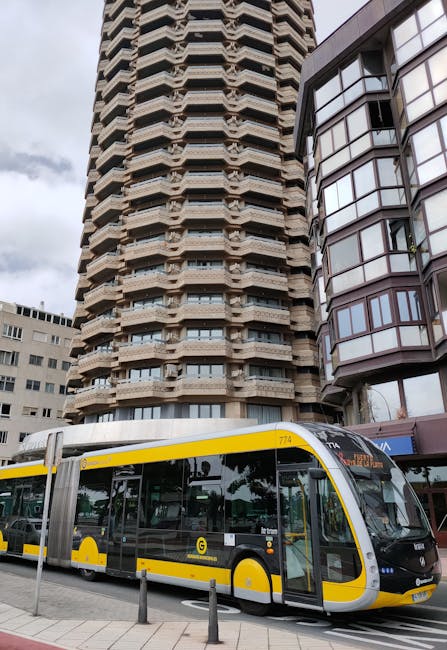
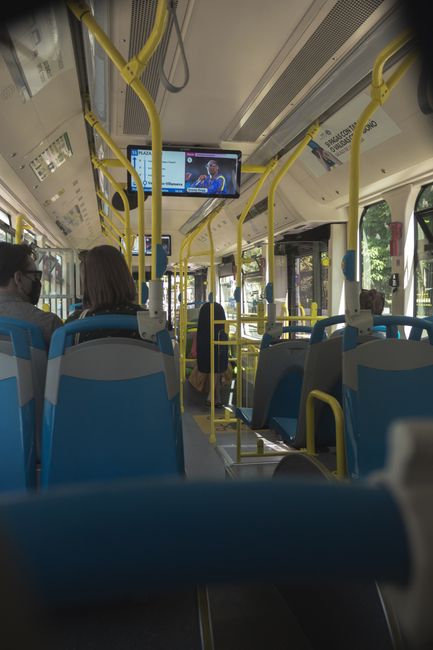
How do they work on board? Most buses now accept validation via a chip card (insert or tap, depending on the terminal), or cash payment with the driver. For booklets and cards, present the card near the yellow/blue validator located at the entrance. Drivers may not be able to change large bills, so bring exact change or use a rechargeable card. Passes are generally personal, but some multi-ride booklets may be shared — check the terms printed on the card or ask at the point of sale.
2. Where to buy or top up your pass: addresses, opening hours and procedures
You can buy or top up a pass in Gran Canaria through several channels: official ticket offices, ticket machines at bus stations, airport sales desks, partner shops (kiosks, tobacco shops « estancos ») and online via the official network website. Here are the main sales points with addresses and practical opening hours:
- Estación de Guaguas de San Telmo (Las Palmas de Gran Canaria) — Address: Plaza de San Telmo, s/n, 35001 Las Palmas de Gran Canaria. Opening hours: ticket office usually Monday–Friday 07:30–20:00, Saturday 08:00–14:00 (subject to change). This is the main urban hub for island routes and card sales.
- Oficina Comercial TITSA – Gran Canaria Airport — Address: Aeropuerto de Gran Canaria, Carretera del Sur, 35017 Las Palmas de Gran Canaria (Arrivals terminal). Opening hours: typically aligned with flight arrivals, often 06:00–23:00. Ideal for buying a pass as soon as you land.
- Estación de Guaguas de Maspalomas — Address: Avenida de Gran Canaria, 35100 San Bartolomé de Tirajana. Opening hours: 07:00–22:00 in high season, variable off-season. Ticket machines often available for topping up cards.
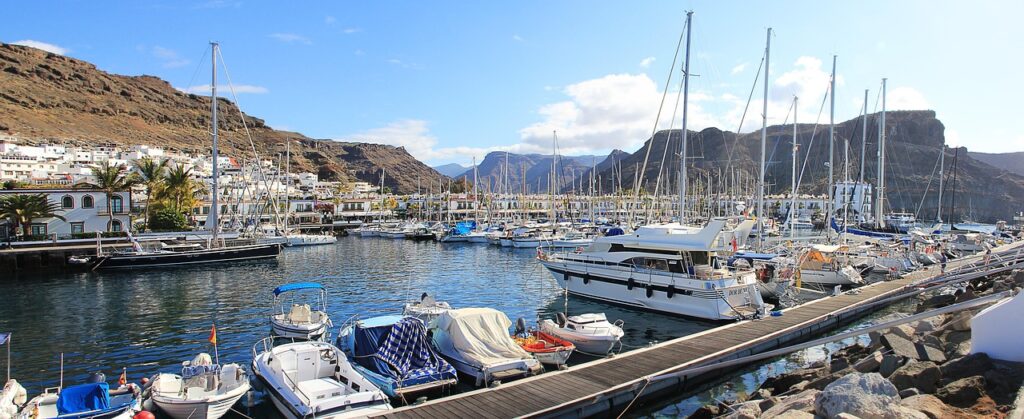
- Puerto de Mogán – Information Office — Address: Calle La Lajilla, 17, 35138 Mogán. Estimated hours: 09:00–18:00. Often a sales point for local routes and tourist transfers.
Purchase procedure: bring ID if you’re applying for a subscription. For rechargeable cards you pay an initial fee (card + credit) — the card cost varies (around €2–€5). Top-ups can be made in cash or by card depending on the point of sale. Some cards can also be topped up online via the transport network website, but the first validation may need to be done physically at an official point.
3. Detailed fares, typical timetables and useful connections
Fares on Gran Canaria depend heavily on zone and service type. Here’s a practical, indicative overview (updated June 2024). Always check the exact fare at the ticket office or on the official site before you travel.
- Urban trips in Las Palmas de Gran Canaria: single cash ticket ≈ €1.40; validated with a prepaid card ≈ €1.15. 10-ride booklet (urban Bono 10) ≈ €9.50–€11.00.
- Interurban routes (e.g. Las Palmas ↔ Puerto Rico / Playa del Inglés / Maspalomas): single ticket €3.50–€6.50 depending on distance. Example: Las Palmas de Gran Canaria (Estación San Telmo) → Playa del Inglés (Av. de Tirajana, 35100 San Bartolomé de Tirajana) single ticket ≈ €6.00 in 2024.
- Subscriptions: Monthly pass for an urban zone ≈ €45–€55; multi-zone or interurban subscriptions €60–€85 depending on coverage and discounts.
Typical timetables: Las Palmas urban lines generally run from about 06:00 to 23:00 with high frequency (every 10–20 minutes during peak hours). Interurban lines to the south (Maspalomas, Playa del Inglés, Puerto de Mogán) have less frequent departures, typically every 20–40 minutes in high season and reduced service off-season. First long-distance departures can be around 05:30–06:00 and the last around 22:00–23:00. Exact times depend on the line (e.g. line 30, 90, 1xx): consult the official site or posted timetables at the station.
Connections and tips: For bus-to-ferry connections, for example if you’re planning an excursion to Tenerife or Lanzarote (when ferries operate from Puerto de Las Palmas), leave a 30–60 minute buffer for boarding checks. Express or « directo » buses (fast lines between Las Palmas and Maspalomas) make fewer stops and can save you time during the busy tourist season.
4. Local tips and use-case scenarios: getting the most from your pass
Which pass is best depends on your travel profile. Below are concrete scenarios and local-tested tips to help you optimize your journeys:
- Beach-break traveler (3–7 days, based in Playa del Inglés / Maspalomas): if you stay mostly in the south, count your daily trips. For four return trips to Las Palmas, a 10-ride booklet is usually cheaper than buying single tickets. Buy it at Estación de Guaguas de Maspalomas, Avenida de Gran Canaria, 35100 San Bartolomé de Tirajana, during opening hours 08:00–20:00.
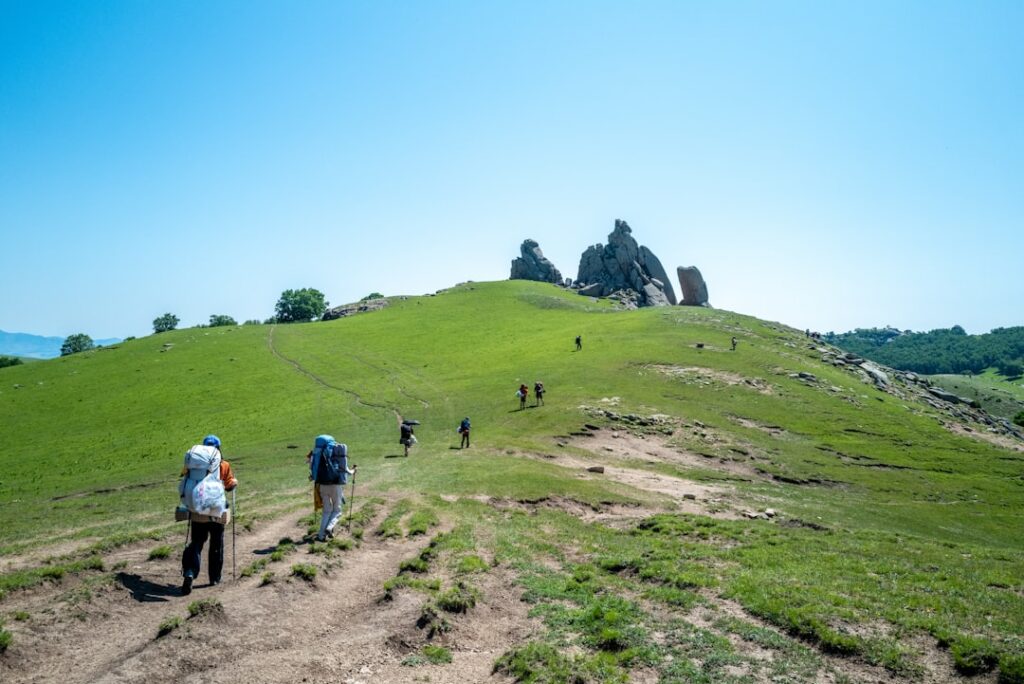
- Hiker exploring the island interior: for hikes in the centre (Roque Nublo, Tejeda) consider hiring a car for flexibility or booking organised excursions; buses serve villages but run infrequently. If you stick to buses, a rechargeable card (prepaid) smooths out costs and avoids the problem of change.
- Seasonal resident or commuter: a monthly subscription almost always pays off if you ride daily. Visit the Oficina Comercial TITSA (Estación de Guaguas de San Telmo, Plaza de San Telmo, s/n) for paperwork and possible student or senior discounts.
Practical local tips:
- Always validate when you board; inspections are common and fines for fare evasion can be steep (often over €100).
- Keep small bills and coins for change; some drivers won’t accept large notes or may not have change available.
- For early-morning trips to the high points (Pico de las Nieves, Cruz de Tejeda), pack warm clothing: the temperature changes quickly with altitude and buses can be cool due to air conditioning.
- Rush hour in Las Palmas (07:30–09:00 and 16:30–19:00) increases travel times. If possible, schedule sightseeing outside these windows.
5. Alternatives to passes and emergency solutions
Even with a good bus network, there are times when a pass won’t cover your needs: limited night services, poorly served mountain routes, or door-to-door travel with luggage. Here are alternatives and emergency options:
- Official taxis: available 24/7 in main towns and airports. Example: Radio Taxi Las Palmas — base: Calle León y Castillo, 35005 Las Palmas de Gran Canaria. Approximate fare airport → Playa del Inglés ≈ €45–€60 depending on zone and luggage.
- Private transfer services: bookable online or via local agencies. Useful for groups and late-night journeys.
- Car rental: the most flexible way to explore the interior. Major agencies: Avis / Hertz / Cicar at Gran Canaria Airport, Carretera del Sur, 35017 Las Palmas de Gran Canaria — typically open 06:00–23:00. Prices from about €25–€35/day (excl. insurance).
- Hitchhiking and carpooling: present locally but less reliable. Use rideshare platforms for a safer single-trip option.
In an emergency (late bus delays, lost pass), head to the nearest information point or contact the network’s customer service: TITSA / GLOBAL Customer Service — phone numbers are displayed on station timetables (check the schedule sheet). Keep your purchase receipt if you need a refund or card replacement.
Conclusion: pick the right pass to make the most of Gran Canaria
Getting around Gran Canaria with the right transport passes helps you cut costs and make the most of days spent between beaches, hikes and city sights. In short: for a short, beach-focused stay, choose a 10-ride booklet or a rechargeable prepaid card to save the most; for stays of several weeks or daily commuting, a monthly subscription is usually the best value. Key places to buy or top up — Estación de Guaguas de San Telmo in Las Palmas, the TITSA office at the airport and the Maspalomas ticket desks — offer convenient hours and in-person help. Remember fares can change by season, bus frequencies drop at night and inland, and it’s wise to have a backup plan (taxi or rental) for very early or very late journeys.
Two final local tips: always keep some small change or a rechargeable card to avoid issues on board, and check station noticeboards for exact timetables for the routes you’ll take. If you’re hiking, tell someone your route and check return bus times to your accommodation. With a bit of planning, Gran Canaria’s transport passes become powerful tools to explore the island easily and calmly — from the sun-drenched dunes of Maspalomas to the historic lanes of Vegueta.