





Introduction — Smart ways to get around Gran Canaria
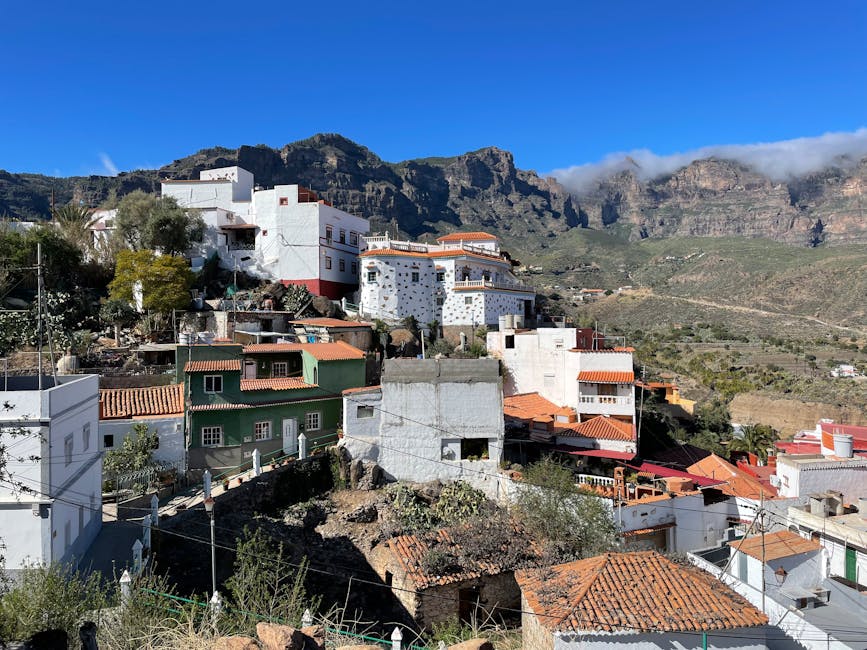
Gran Canaria is an island of dramatic contrasts: golden beaches in the south, the sand dunes at Maspalomas, and steep cliffs and mountain villages inland. Getting around this volcanic island takes a bit of planning and local know-how. This comprehensive guide tells you how to make the most of your journeys by combining intercity buses, Las Palmas city buses, taxis, car rental, coastal ferries and gentle mobility options (electric bikes, scooters) so you can enjoy every kilometer.
The island doesn’t have a tram network like some larger European cities; locals mainly rely on guaguas (the Canarian word for “bus”), operated primarily by two companies: Global for intercity routes connecting towns and tourist spots, and Guaguas Municipales for urban transport in Las Palmas de Gran Canaria. On top of that you’ll find regulated official taxis, occasional rideshare/VTC services, small tourist minibuses and a range of rental platforms for cars, motorcycles and bikes.
In the sections that follow you’ll find practical information, exact addresses (stations, agencies, strategic car parks), example fares in euros, typical timetables and local tips to save time and money. I also outline recommended routes: from Gran Canaria Airport (Aeropuerto de Gran Canaria, Las Palmas) to the popular resort of Playa del Inglés, transfers Las Palmas ↔ Maspalomas, shuttles to Puerto de Mogán, and how to organise a trip into the island’s heart (Roque Nublo, Tejeda) without feeling lost.
This guide is aimed at a wide audience—solo travellers, families, business travellers and hikers—and puts emphasis on sustainable, budget-friendly options: rechargeable transport cards, main line timetables, ticket sales points, and tips to avoid peak times and pay less. The info is written in a practical, immersive style: picture yourself waiting for the guagua at Plaza de San Telmo, salt wind in your face and views of Santa Catalina, or crossing the Maspalomas dunes after a late-night bus. Finally, note timetables and fares can change: I give common time windows and indicative prices in euros, and recommend checking official sites before you travel.
1) Intercity buses (Global): how to travel between towns and resorts
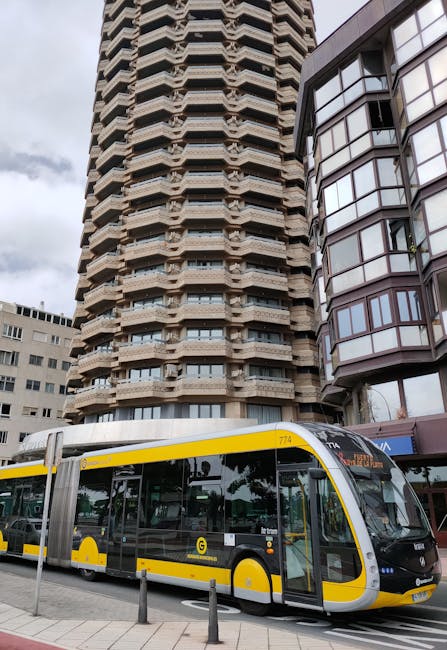
The Global SL network—commonly called “Global”—is the backbone of intercity travel on Gran Canaria. These lines connect the airport (Aeropuerto de Gran Canaria, GCX), the capital Las Palmas de Gran Canaria, coastal towns and the major southern resorts: Playa del Inglés, Maspalomas, Puerto Rico and Puerto de Mogán. The main hub for many routes is the Estación de Guaguas de San Telmo (Plaza de San Telmo, 35002 Las Palmas de Gran Canaria). It’s a convenient interchange if you arrive by ferry or want access to the historic centre. For the south, another important terminal is Estación de Guaguas de Maspalomas (Avenida de Gran Canaria, 35100 San Bartolomé de Tirajana), serving Maspalomas, Playa del Inglés and nearby resorts.
Fares and cards: Intercity fares vary by distance. As a rough guide (prices in euros, subject to change): a single Las Palmas ↔ Maspalomas trip usually costs between €6.00 and €8.50, while airport ↔ Las Palmas is around €3.50–€4.50. Return tickets and prepaid cards are available: the Tarjeta TransGC (rechargeable card) lowers the per-trip price and can be bought at ticket offices in main stations and authorised sales points. Buying onboard may be possible but isn’t ideal if you’re carrying lots of luggage—better to use a ticket machine or the station counter.
Schedules: Global lines generally run from about 05:30 to 23:30 on main corridors (Las Palmas ↔ South). Some routes, particularly to tourist areas in the south, add extra services in high season (April–October). Mountain connections (for example to Tejeda/Roque Nublo) have fewer departures: 2 to 6 rotations a day, usually concentrated in the morning and late afternoon.
Amenities: Modern Global coaches have air conditioning, luggage compartments and sometimes on-board Wi-Fi. Route numbers are clearly displayed on the front and there are intermediate stops serving hotels along tourist corridors. For very busy journeys (plane arrivals at peak times, Saturday-night rotations), arrive 15–30 minutes early to secure a seat.
Local tips: book your ticket online for airport ↔ south routes during high season; check exact stops (some coaches only call at major stations). If you’re travelling with children or bulky sports equipment (surfboard, folding bike), check the luggage rules in advance. To reach mountain trails from a coastal town, use Global for the main leg and then a local taxi for the final climb to trailheads.
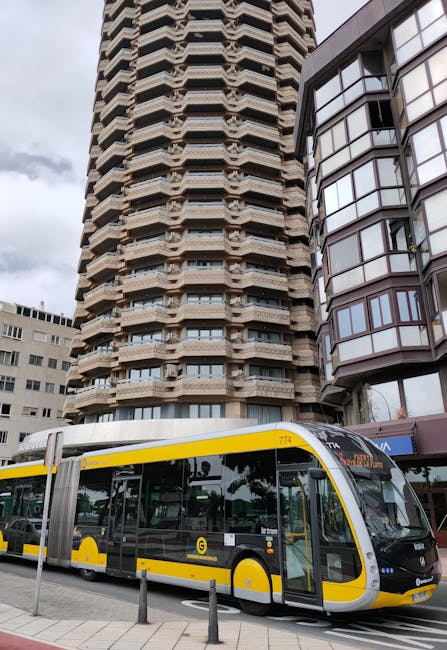
2) Guaguas Municipales of Las Palmas: getting around the city efficiently
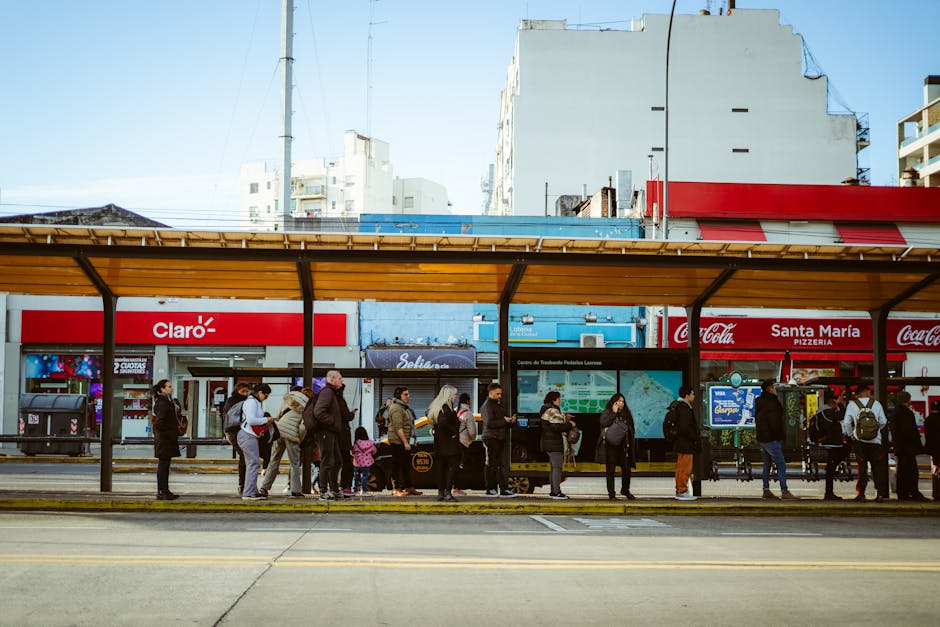
In Las Palmas de Gran Canaria, urban mobility is mainly run by Guaguas Municipales. The network covers the metro area, linking residential neighbourhoods, beaches (Playa de las Canteras), the port, the old town (Vegueta) and shopping areas. The most central interchange is again Estación de Guaguas de San Telmo (Plaza de San Telmo, 35002 Las Palmas de Gran Canaria), close to Parque de Santa Catalina and the Santa Catalina pier.
Fares and cards: In 2026 a single ride on Guaguas Municipales costs about €1.50–€1.70 (payable onboard in cash or by card on some lines). The municipal rechargeable card (Tarjeta Guagua) gives discounts and offers day/week passes. Example: a 24-hour ticket costs roughly €4.50–€6.00; a 7-day pass around €15.00–€20.00—indicative rates, check at the ticket office. Sales points are Guaguas Municipales agencies, Estación de San Telmo and tourist information kiosks.
Hours and frequency: Urban lines typically run from 06:00 to 23:00 with frequencies of 10–30 minutes depending on the route. Some night lines (búhos) operate at weekends or during festivals (for example the Fiestas del Carmen). Lines to Playa de las Canteras are among the most frequent—great for an early-morning swim before the heat builds.
Accessibility and services: City buses are often equipped for reduced mobility (ramps and dedicated spaces). Expect signage in Spanish; for trip planning use the official Guaguas Municipales mobile app or Google Maps, which includes most real-time schedules.
Local tips: avoid rush hour (08:00–09:30 and 17:00–19:00) by scheduling visits early in the morning or late afternoon. If you’ll use the network frequently, buy the rechargeable card at the office—savings add up quickly. During festivals or protests check for detours: Las Palmas regularly hosts events along Avenida Marítima and Parque de Santa Catalina that temporarily alter routes.
3) Taxis, rideshares and private transfers: comfort and punctuality
Official taxis on Gran Canaria are a straightforward, punctual option—handy if you’re travelling in a group, carrying a lot of luggage or on a tight schedule (flights, appointments). Official cabs are identifiable by their ivory/beige colour and licence number on the door. They operate 24/7 and can be hailed on the street, found at taxi ranks (for example Station Taxi Muelle de Santa Catalina, Avenida Marítima del Puerto de la Luz y de Las Palmas) or booked by phone. A taxi from Gran Canaria Airport (Aeropuerto de Gran Canaria, S/N, 35230 Telde) to Playa del Inglés takes about 25–40 minutes depending on traffic and typically costs €45.00–€60.00 during the day. Luggage and night surcharges may apply: budget €1.00–€3.00 per bag or a 20–30% night surcharge.
Rideshares and private transfers: Several VTC operators work on the island—check international apps (availability varies) or local agencies that offer pre-booked private transfers. Private airport ↔ hotel transfers are commonly priced between €35.00 and €80.00 depending on vehicle type (saloon, minivan) and distance. These services minimise waiting time and often include a driver who meets you at arrivals with a nameboard—perfect after a long flight.
Stations and meeting points: In Las Palmas the main taxi rank near the port is at Muelle de Santa Catalina / Parque de Santa Catalina (Avenida Marítima). For tourist transfers to the south (Maspalomas, Meloneras) hotels usually have dedicated drop-off and pick-up areas. Most modern taxis accept card payments, but always confirm before starting the journey.
Money-saving tips: if you’re travelling solo and timing is flexible, take a Global bus for most of the route and finish with a short taxi from the bus station. For groups of 3–4 people a taxi can be competitive versus individual bus fares. When booking long-distance transfers by phone outside official platforms, try negotiating a fixed rate.
4) Car hire, carpooling and driving on the island
Hiring a car is often the most flexible way to explore Gran Canaria’s rugged interior: mountain villages, viewpoints like Mirador del Pico de las Nieves, scenic roads to Tejeda and Roque Nublo. Rental agencies are located at the airport (Aeropuerto de Gran Canaria, S/N, 35230 Telde) and downtown (Las Palmas). International companies (Avis, Europcar, Hertz) and local firms (Cicar, TopCar) offer a range of vehicles. Indicative rates: for a small economy car expect €18.00–€40.00 per day depending on season and length of hire; for an SUV or people carrier count on €45.00–€80.00 per day. Supplemental cover (CDW, tyre/glass protection) is recommended for mountain roads.
Rules and driving notes: drive on the right. The island’s topography means winding, narrow roads inland; drive cautiously—anticipate steep descents and hairpins. City parking (Las Palmas, Meloneras) is often paid: blue/white zones indicate paid parking, and public car parks such as Parking Saba Centro (Plaza de la Feria, Las Palmas) or hotel car parks are available. Fuel is usually cheaper at stations on the outskirts—compare prices before filling up.
Carpooling and alternatives: formal carpooling is less developed here than in some places, but local Facebook groups or mobility apps sometimes list shared rides. For short trips or evening travel, VTC apps and taxis remain the fastest options.
Practical tips: book early in high season to get the best rates and widest vehicle choice. If you plan to hike (Roque Nublo, Pico de las Nieves), a 4×4 isn’t necessary on main paved roads, but pick a compact car for narrow village streets. Be realistic about travel times: driving often takes longer than the map suggests because of many bends—build in extra buffer when booking flights or ferries.
5) Gentle mobility: bikes, electric scooters and hiking with bus links
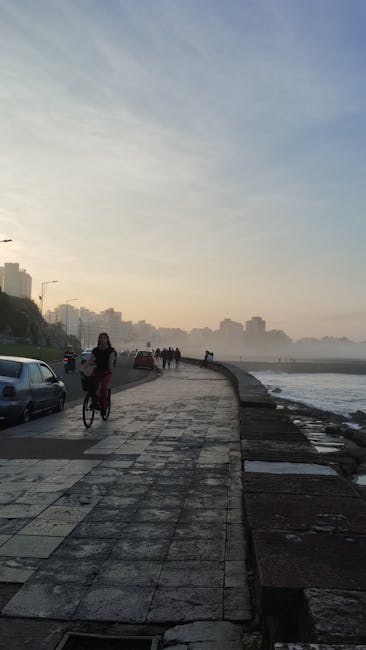
For short distances and immersive exploring, gentle mobility is very suitable on Gran Canaria. In Las Palmas the promenade along Playa de las Canteras is perfect for cycling: several rentals offer classic and electric bikes. For example, the rental spot “Las Palmas Bike Rental” (Avenida de la Playa, near Playa de las Canteras) offers e-bikes from around €12.00 per hour or €30.00 per day. Shared electric scooters appear occasionally in the capital—check which operators are active and their parking zones.
Hikes combined with buses: a favourite local trick is to take a Global or municipal bus to a trailhead (for example buses to Tejeda or Artenara) and return on a different line or by taxi at the end of a loop. This avoids a long return shuttle by car. Example: take Global from Las Palmas to the Artenara or Cruz de Tejeda station, hike to Roque Nublo (2–3 hours depending on the trail), then catch a bus or taxi from Cruz de Tejeda.
Prices and safety: long-term bike hire (24h) is typically €18.00–€35.00 depending on the quality. Wear a helmet, use cycle lanes where available and stay alert on roads shared with cars. Mountain trails may require a guide if you plan to venture off marked paths.
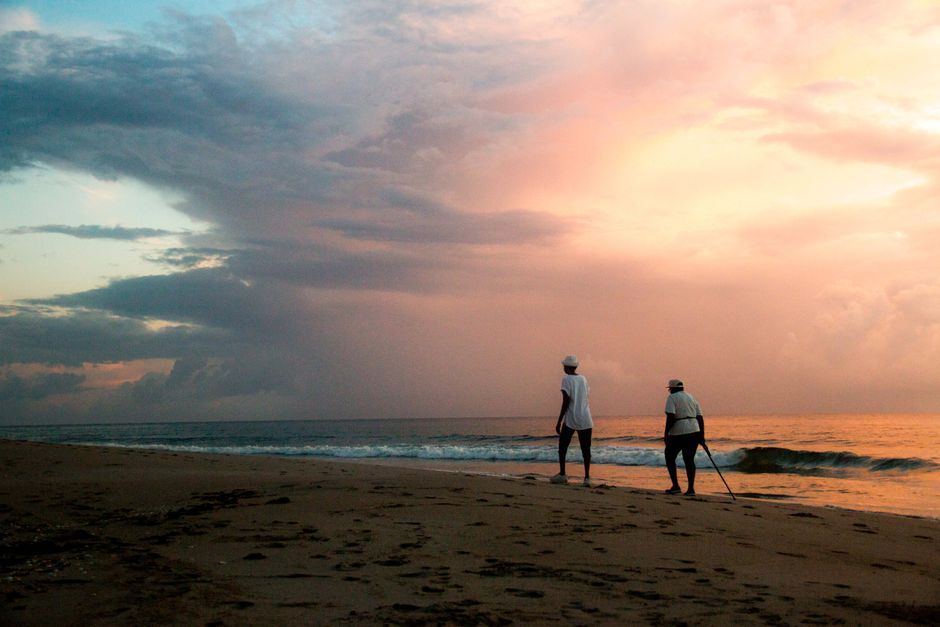
Local tips: for Maspalomas the coastal promenade (Meloneras → Playa del Inglés) is pleasant early morning or at sunset. Book guided e-bike tours to reach spots that are harder to access by bus, and ask rental shops for advice on local weather (trade winds and microclimates in ravines).
6) Ferries, sea trips and inter-island links
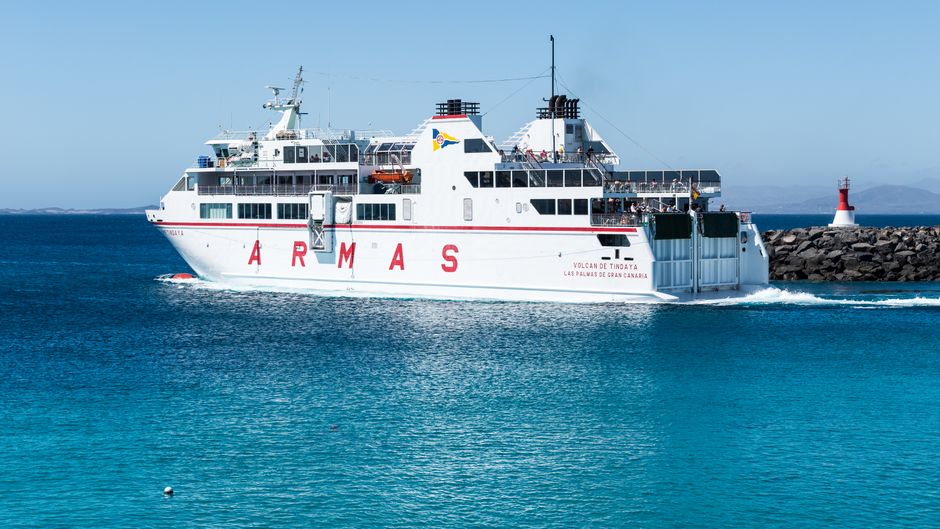
Gran Canaria has an active port in Las Palmas—the Puerto de Las Palmas (Muelle de Santa Catalina, Avenida Marítima, 35001 Las Palmas de Gran Canaria)—with local and international ferry departures. Regular ferries link Gran Canaria to neighbouring islands (Tenerife, Fuerteventura) via operators like Naviera Armas and Fred Olsen Express. Prices vary widely: a fast ferry Gran Canaria → Tenerife one-way can cost €35.00–€60.00 depending on season and seat type, while longer crossings or sailings with a vehicle are more expensive (check official sites to book).
Coastal excursions: several operators run whale- and dolphin-watching trips from Muelle de Santa Catalina or Puerto Rico (Puerto Rico Wharf, Avenida de Tirajana, 35130 Mogán). Boat tours typically last 2.5–4 hours, cost €30.00–€50.00 per adult and sometimes include snorkelling. These trips combine marine wildlife watching with access to secluded coves and beaches unreachable by road.
Schedules and bookings: inter-island sailings usually depart in the morning and late afternoon; in high season it’s essential to book in advance (especially if you’re taking a vehicle). Tourist offices (for example Oficina de Turismo de Las Palmas, Plaza de Saulo Torón) often have up-to-date information and can sell excursion tickets.
Local tips: for a smoother experience choose an early-morning departure (calmer sea). Compare time vs price between the fast and conventional ferries—the fast service costs more but can save you several hours. If you’re boarding with a car, arrive 60–90 minutes before departure for embarkation checks.
Conclusion — Summary and practical tips for getting around smart
Getting around Gran Canaria takes a little preparation but offers many options to suit every travel style. Global remains the most economical and reliable solution for intercity transfers—especially for linking Las Palmas, the airport and the southern tourist belt (Maspalomas, Playa del Inglés, Puerto de Mogán). In town, Guaguas Municipales makes everyday travel and beach journeys easy. For extra comfort and independence, taxis and private transfers are efficient, while car rental is the best choice for exploring the mountainous interior and isolated villages.
A few practical tips to optimise your travel:
- Plan and book ahead: during high season (December, February, July–August) book airport transfers and rental cars in advance.
- Use a rechargeable card: buy the municipal card or the Tarjeta TransGC if you’ll be taking buses frequently for savings.
- Check schedules: for mountain lines and ferries, check official timetables the day before travel—services vary by season.
- Mix transport modes: bus for long distances + bike or taxis for local discovery—a combination that often works best.
- Respect local driving: take care on winding roads; park in official car parks to avoid fines.
- Think sustainability: favour buses and gentle mobility when possible—good for your wallet and the environment.
Finally, remember that practical details (exact fares, precise timetables, ticket office addresses) change: for up-to-date info check the official sites before you go—Global SL (official intercity lines), Guaguas Municipales Las Palmas, and Gran Canaria tourist offices. With a bit of planning and on-the-ground flexibility, you’ll find an island full of surprises where each journey becomes part of the experience: sunrise sea crossings, panoramic drives to ancestral villages and laid-back moments on beaches that seem to stretch forever.