






Introduction — Why (or Why Not) Choose an Organized Tour in Gran Canaria
Gran Canaria, an island of microclimates and dramatic contrasts, draws millions of visitors every year. From the city beach of Playa de Las Canteras in Las Palmas de Gran Canaria to the golden Maspalomas dunes, and from the picture-postcard village of Tejeda to the Roque Nublo, the island promises variety that appeals to both independent travellers and fans of guided tours. In this practical, in-depth guide we break down the advantages and disadvantages of organized tours in Gran Canaria so you can decide whether booking a guided excursion is the right choice for your trip.
An organized tour (day trips, private minivans, coach circuits) offers clear benefits: simplified logistics, easier access to popular sites, commentary from a local guide and sometimes cheaper group rates. For example, a typical “Maspalomas, Roque Nublo & Tejeda” day trip usually includes hotel pickup, a guided stop at the Maspalomas lighthouse (Faro de Maspalomas, Avenida de Touroperadores, s/n, 35100 San Bartolomé de Tirajana), a panoramic viewpoint at Mirador del Balcón and a lunch stop at a local restaurant. These tours can cost anywhere from €35 to €75 per person depending on duration and service level (large coach vs premium minivan).
That said, organized tours also have downsides: a fixed pace, limited time at each site, heavy crowds in high season and sometimes a feeling of skimming the surface rather than truly experiencing a place. On some itineraries you might only get 30–45 minutes to explore huge sites like the Maspalomas dunes, which can frustrate anyone wanting to wander, photograph the sunset, or hike. For independent travellers who like to customise their days, a guided tour can feel restrictive.
This detailed guide explores the main advantages (safety, time savings, expert guides, access to protected areas) and disadvantages (cost, lack of flexibility, crowds, environmental impact). We give concrete examples with full place names, exact addresses, prices in euros, opening hours and local tips so you can make the most of a tour—or plan your own route. Whether you’re staying in Playa del Inglés, Puerto Rico, Maspalomas or Las Palmas de Gran Canaria, you’ll find practical information here to judge whether an organized tour fits your travel style.
Before we dive into the pros and cons in detail, keep in mind there are several tour formats:
- Full-day coach excursions (8–10 hours, €35–€75)
- Mini-tours in minivans (4–6 people, €60–€120 per person or €250–€400 for private hire)
- Themed tours (food, stargazing, guided hikes)
- Private experiences (dedicated guide, total flexibility, variable pricing)
These options directly affect the benefits and limitations we outline below.
Advantage 1: Simplified logistics, safety and time efficiency
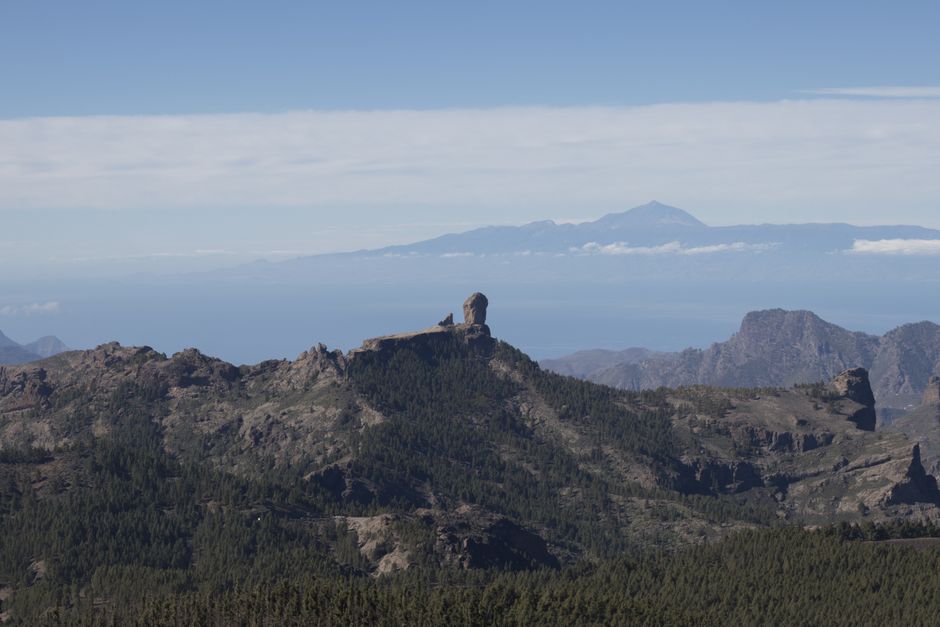
One of the strongest arguments for organized tours is that they handle all the logistics. That usually means hotel pickup and drop-off, routes optimised to avoid traffic, and schedules designed to maximise time at highlights. For example, a popular Roque Nublo trip often leaves hotels in Playa del Inglés at 08:00 to avoid the afternoon heat at the summit. Roque Nublo (Ruta Roque Nublo, 35228 Tejeda) has an official parking area and marked trails; a guide keeps the group moving safely, gives geological and botanical insights and points out safety considerations on the steeper sections.
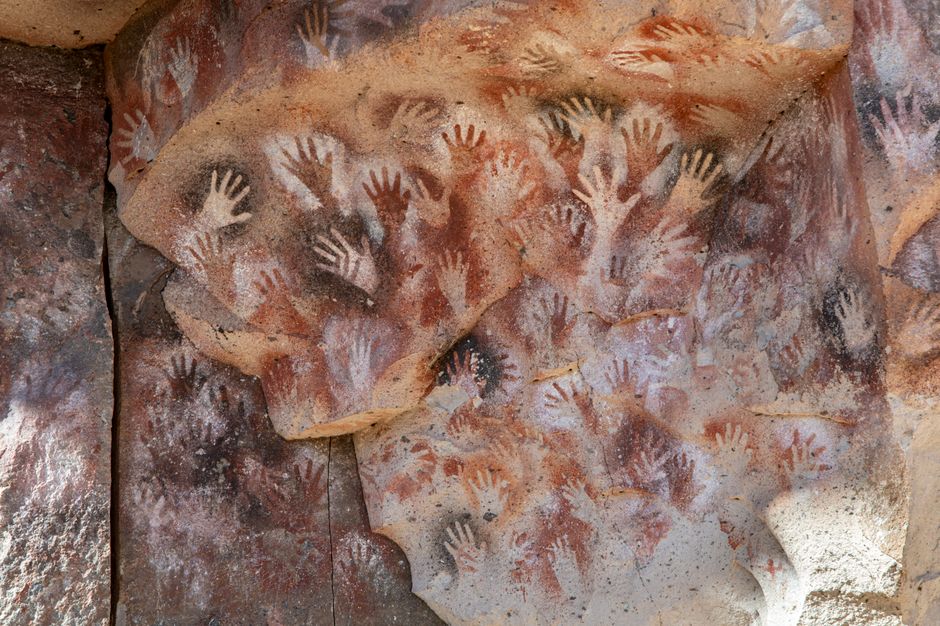
Organized tours often include priority access or combined tickets. For instance, a “North of the Island” tour might include admission to Museo y Parque Arqueológico Cueva Pintada (Calle Audiencia, 1, 35200 Gáldar) with entry included at around €5 per person and archaeological commentary on site. Likewise, some operators secure discounted rates for Palmitos Park (Parque Ornitológico Palmitos Park, Carretera Palmitos Park, s/n, 35109 Maspalomas): adult entry about €29 and child €18, typical opening hours 10:00–17:00 (seasonal).
Safety is another plus. Qualified guides know the mountain roads, areas prone to sudden weather changes and local regulations (protected areas like the Maspalomas Dunes). They take proactive measures: regular breaks, reminding people to bring enough water or providing some on the trip, and managing food allergies during included lunches. Solo travellers and families with kids often find this setup reassuring.
Local tips: book popular tours in advance for high season (July–August, Christmas). Make sure the company offers translation devices or guides in your language if you don’t speak Spanish/English. Check cancellation policies: many operators offer full refunds up to 48 hours before departure.
Advantage 2: Local expertise, history and cultural immersion
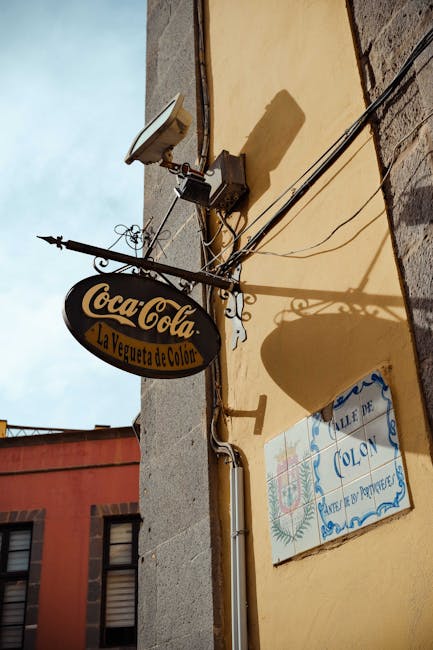
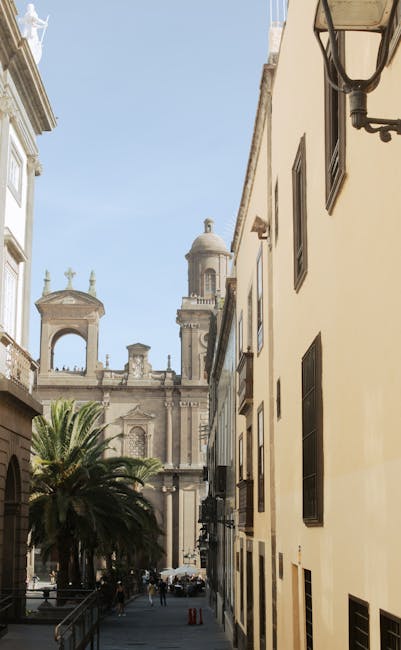
A local guide is an invaluable source of information. They can share stories, anecdotes and historical context you won’t find in a standard guidebook. For example, on a guided walk through Vegueta in Las Palmas de Gran Canaria, the route often includes Casa de Colón (Calle Colón, 1, 35001 Las Palmas de Gran Canaria): admission about €4, typical hours Tuesday–Saturday 09:00–19:00, Sunday 10:00–14:30. The guide will explain the island’s complex ties to Atlantic shipping routes and how those exchanges shaped local architecture, music and cuisine.
Guides can also point you to authentic, off-the-beaten-path restaurants and recommend local dishes like sancocho canario or papas arrugadas con mojo, including precise addresses: for a traditional meal, Restaurante Casa Montesdeoca (Calle Montesdeoca, 7, 35001 Las Palmas de Gran Canaria) in Vegueta serves refined Canarian fare (main course roughly €18–€35 per person, typical hours 12:30–16:00 and 19:00–23:00).
Some themed tours provide deeper cultural experiences: Canarian cooking workshops, palm honey tastings, visits to aloe vera farms or meetings with local artisans. These are often hard to organise on your own, especially if you don’t speak Spanish. Guides also help facilitate respectful interactions with locals and rural communities, explaining customs and suggesting the best ways to photograph without causing disruption.
Local tips: always ask your guide for personalised recommendations (best time to revisit a site independently, small craft shops, local cafés). If you want a deeper dive, choose small-group or private tours—they allow for richer interactions with the guide.
Disadvantage 1: Lack of flexibility and mass experience
The main downside to organized tours is often the loss of freedom. A fixed itinerary means strict schedules, timed stops and sometimes no option to extend a visit you love. For instance, on a combined “Maspalomas & Puerto de Mogán” circuit you might only get 45 minutes in Puerto de Mogán (Puerto de Mogán, 35138 Mogán) to eat and stroll around the marina—far from enough to truly enjoy the maze of canals, shops and beaches. Large groups also diminish privacy and can lower the quality of your photos (waiting for the right shot at viewpoints).
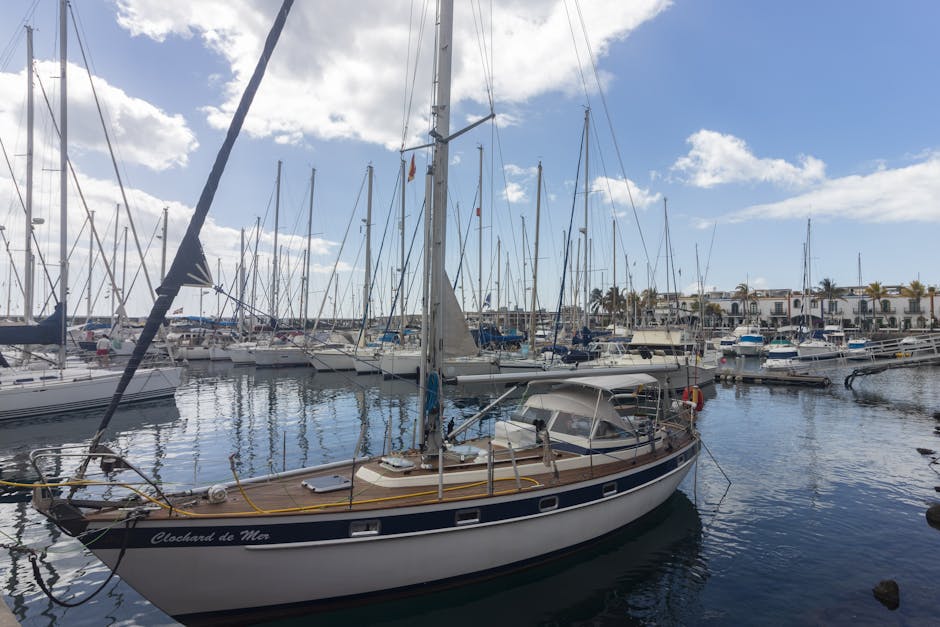
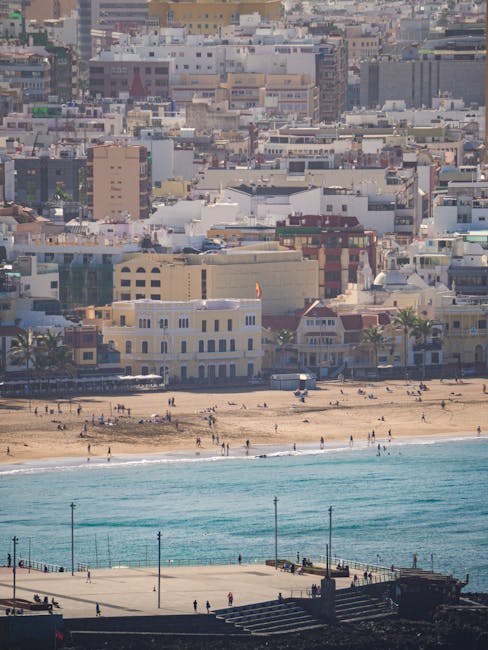
Crowds are an issue: in high season coaches unload large groups at the same viewpoints or along the Playa de Las Canteras promenade, causing queues and making the experience feel less authentic. Some tours also include commercial stops (paid demonstrations, craft sales) where you may feel pressured to buy. That can be disappointing if you’re after a natural or cultural experience without the commercial touch.
Budget-wise, private tours for families or small groups can get expensive. Hiring a minivan for a day privately can run between €250 and €400, which may be costlier than renting a car (€40–€70 per day depending on season) if you’re comfortable driving on mountain roads.
Local tips: read the itinerary carefully before you book. Check maximum group size, exact inclusions (meals, admissions, transfers) and the cancellation policy. If you care about a specific timing (sunset at Maspalomas Lighthouse), opt for a private tour or plan that moment independently.
Disadvantage 2: Environmental impact and limits for independent travellers
Mass tours add to environmental impact: more coaches mean higher emissions and greater pressure on fragile sites. The Maspalomas dunes (Dunas de Maspalomas, 35100 San Bartolomé de Tirajana) are protected, and poor management of visitor flows can accelerate erosion. Responsible guides follow rules and keep groups on marked paths, but less scrupulous operators can contribute to degradation of natural areas.

For independent travellers, another downside is the missed opportunity for self-directed discovery: driving yourself or using local transport gives you chances to find unexpected spots, stop spontaneously and interact more easily with locals. The island’s public transport (Global buses, regular lines) is cheap: a typical intra-island trip often costs between €1.40 and €5 depending on distance. Learning to use these services can be rewarding but takes time and organisation.
Local tips: if you want to lower your footprint, choose tours labelled “responsible” or “sustainable,” ask about newer vehicles and the operator’s waste policy. A good compromise is to book guided tours for far-flung or cultural highlights (Roque Nublo, Cueva Pintada) and explore urban neighbourhoods like Triana and Vegueta on your own.
Conclusion — Make an Informed Choice for a Great Experience
Ultimately, organized tours in Gran Canaria offer great value and convenience for travellers who want to see a lot in a short time, rely on local expertise and avoid the hassle of logistics or driving. They’re especially suited to families, people with limited mobility, seniors and anyone who values safety and ease. Guided visits can quickly deliver historical and cultural context (Casa de Colón, Calle Colón, 1, 35001 Las Palmas de Gran Canaria; Museo y Parque Arqueológico Cueva Pintada, Calle Audiencia, 1, 35200 Gáldar) and allow you to hit several major sites in a single day.
For independent travellers or those who like to wander and improvise, the key drawback is the lack of flexibility and sometimes a “standardised” feel. The environmental footprint of mass tours, short on-site times and commercial pressure can also detract from the experience. If you go for a tour, do your homework: compare agencies, read recent reviews, check group sizes and what’s included. To minimise downsides, mix organized tours (for remote or cultural highlights) with free exploration (urban beaches like Playa de Las Canteras, promenades from Avenida Alfredo Kraus, 35008 Las Palmas de Gran Canaria).
Practical final tips: favour small-group tours for better immersion, always verify exact departure times (early starts between 07:30 and 09:00 are common), bring sturdy shoes, water and a windproof jacket for higher altitudes (Roque Nublo). Don’t hesitate to ask the guide questions—their local knowledge is one of the biggest advantages of an organized tour. And if you care about the environment, check for “sustainable tourism” labels before booking.

Whether you pick an organized tour or go independent, Gran Canaria has a spectrum of unforgettable experiences. Weighing the pros and cons laid out in this guide will help you choose the option that best suits your pace, priorities and travel values.