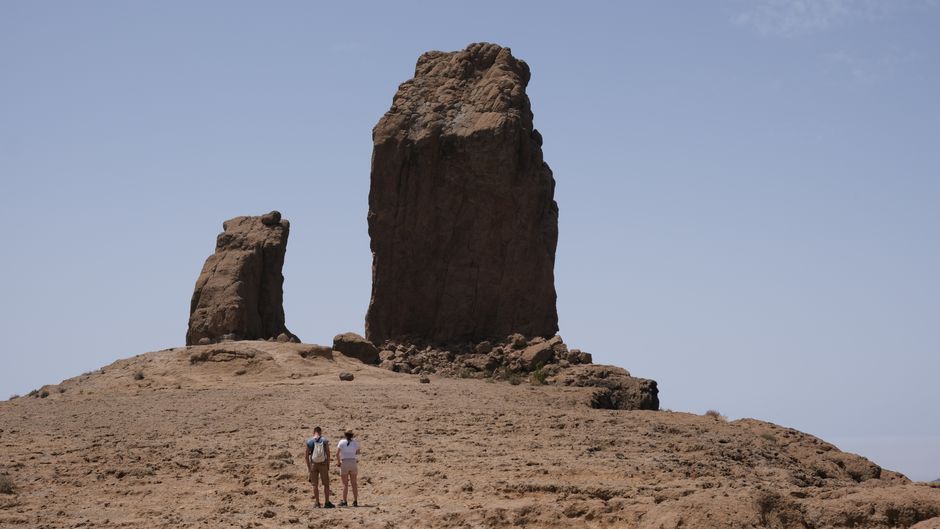






Introduction — Organized tours or independent trips: the dilemma in Gran Canaria
Gran Canaria, a Spanish island with wildly varied landscapes, draws millions of visitors every year looking for sun, dunes, mountains and authentic villages. With so many options, one question keeps coming up: should you book organized tours or strike out on your own? This complete guide digs into the pros and cons, gives precise addresses, indicative prices in euros, typical schedules and practical tips. The goal is to help you decide with confidence based on your travel profile (family, hiker, culture lover, rushed traveler or slow traveler).
Organized tours are attractive for their simplicity: pickup from your hotel, a planned route, a guide who explains the local history, geology and culture, often a lunch included and sometimes entrance fees covered. They suit visitors short on time or those who want to avoid logistics hassles (driving mountain roads, parking, ticketing). Classic tours on Gran Canaria include crossing the island to the central massif (Roque Nublo, Pico de las Nieves), visiting the Maspalomas dunes and discovering inland villages (Teror, Tejeda).
On the other hand, independent outings offer total freedom: you pick your schedule, stop wherever you like, and often save money. If you love photographing at sunrise or sunset, hiking off the beaten track or exploring local markets, going solo is often the best choice. But it requires preparation: renting a car, knowing parking rules, checking opening hours (which vary by season) and sometimes basic knowledge of mountain roads.
We’ll review the island sector by sector — key sites and activities in Gran Canaria — providing exact addresses, indicative prices in euros and typical opening times. Each section groups related experiences (dunes and coast, mountains and hikes, villages and heritage, parks and family attractions) and weighs organized tours against independent outings. You’ll also find practical local tips to optimize your visit (best times of day, crowd-avoidance tricks, dinner options after an excursion). This guide is meant as a roadmap: if you want to book a tour, you’ll know where to look and what price is reasonable; if you prefer to go it alone, you’ll have the addresses, opening times and must-know recommendations.
We also include recommended providers, price ranges and advice on seasonality (when to hike at altitude, when to enjoy the beaches, periods to avoid heat or crowds). Whether you’re based in Las Palmas de Gran Canaria or staying in the south (Maspalomas, Playa del Inglés), this guide will help you decide step by step whether to hand your day over to a guide or hit the road yourself.
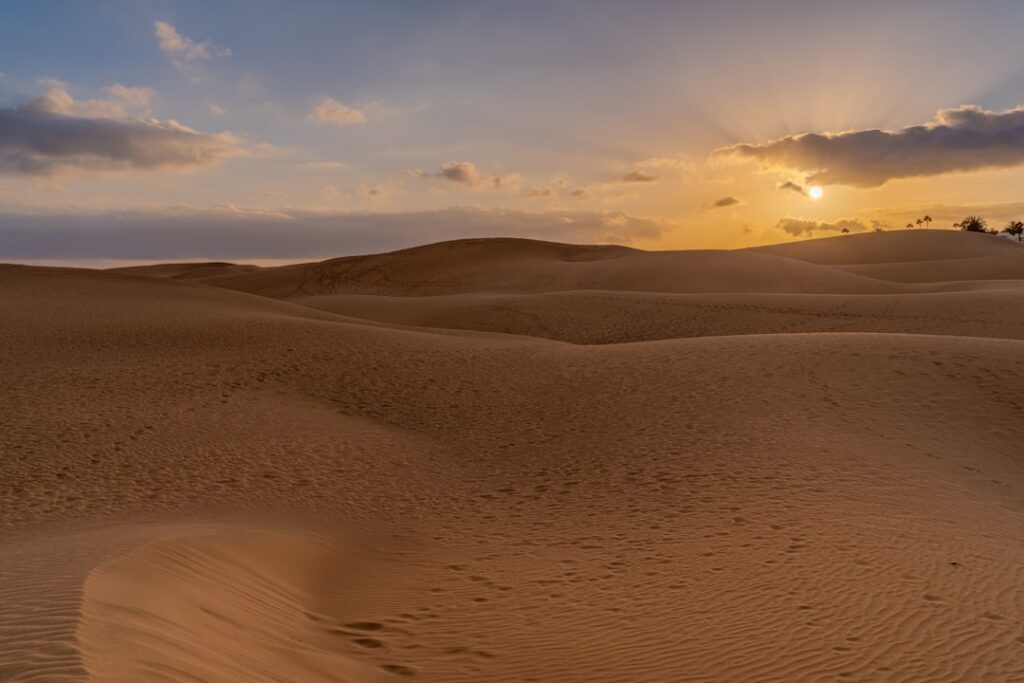
Dunes of Maspalomas and the coast: organized tour or self-guided exploration?
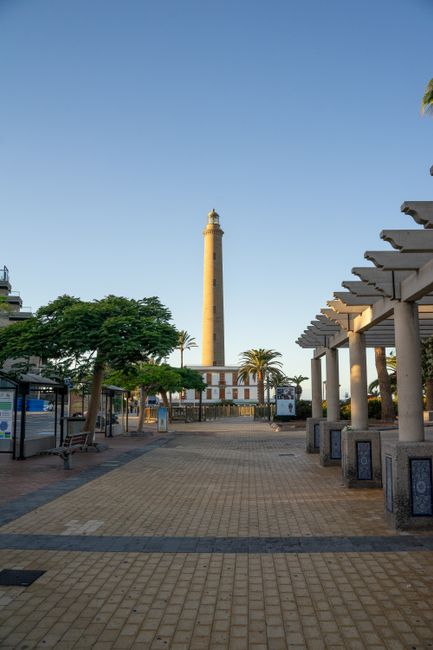
The Maspalomas Dunes are one of the island’s most iconic landscapes. Located in the municipality of San Bartolomé de Tirajana, they stretch between Playa del Inglés and the Maspalomas lighthouse. Exact address: Dunas de Maspalomas, Avenida de Tunte, 35100 San Bartolomé de Tirajana, Las Palmas, Spain. The area is public and free in most zones; however, some activities (camel rides, specialized guided tours) are paid. Camel rides typically cost between €12 and €20 per person for 20–30 minutes depending on the provider. The Maspalomas lighthouse (Faro de Maspalomas) is at Faro de Maspalomas, Avenida de Italia, 35100 San Bartolomé de Tirajana. Access to the lighthouse is free and the coastal promenade is open 24/7.
Hours and recommendations: the dunes don’t have strict opening hours but it’s strongly recommended to visit early in the morning (sunrise) or late afternoon (golden hour) to avoid heat and crowds. Organized tours leaving from southern hotels usually combine dunes + beach + local market, generally between 09:00 and 17:00; typical price: €30–€55 per adult depending on inclusions (transport, guide, snacks). Guided excursions sometimes include a 4×4 ride along the dunes — useful if walking on sand is difficult for you.
Independent outing: renting a car lets you arrive early, park in free lots near the lighthouse or adjacent avenues (parking rules vary by season) and explore the reserve at your own pace. Local tips: bring at least 1.5 liters of water per person in summer, wear a hat and sunscreen, and respect protected areas marked by signs. For dinner after your visit, try the restaurant “La Palmera Sur” — Avenida de Italia, 35100 San Bartolomé de Tirajana — where local dishes range from about €12 to €25.
Practical comparison
- Organized tour: ideal if you want a guided viewpoint and no driving. Average price: €30–55 per person. Typical times: morning or afternoon departures.
- Independent trip: total freedom, perfect for sunrise/sunset photography, lower costs if you already have a car (fuel and parking). Plan for parking and heat management.
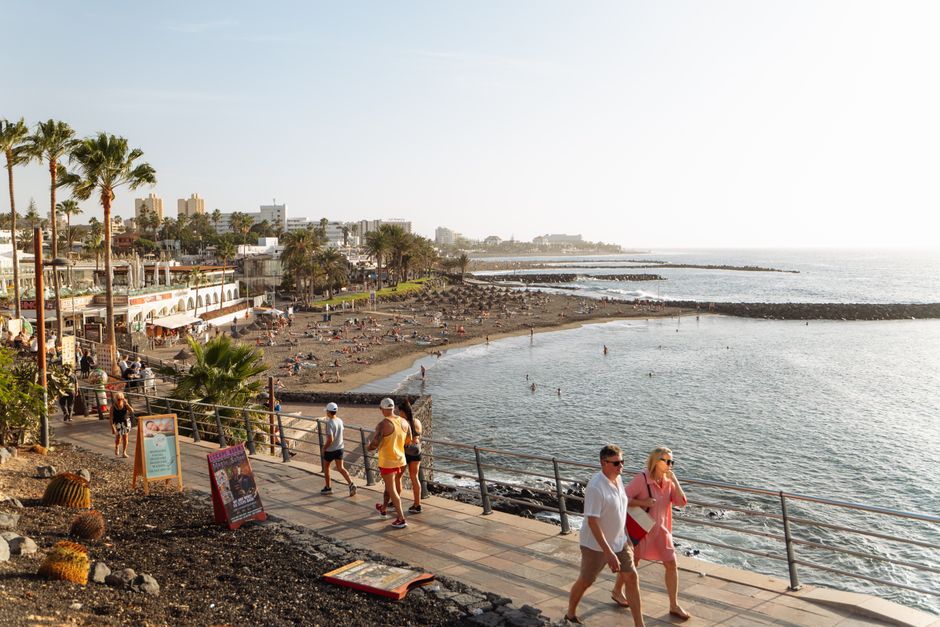
Mountains and hikes (Roque Nublo, Pico de las Nieves): a guide for hikers and beginners
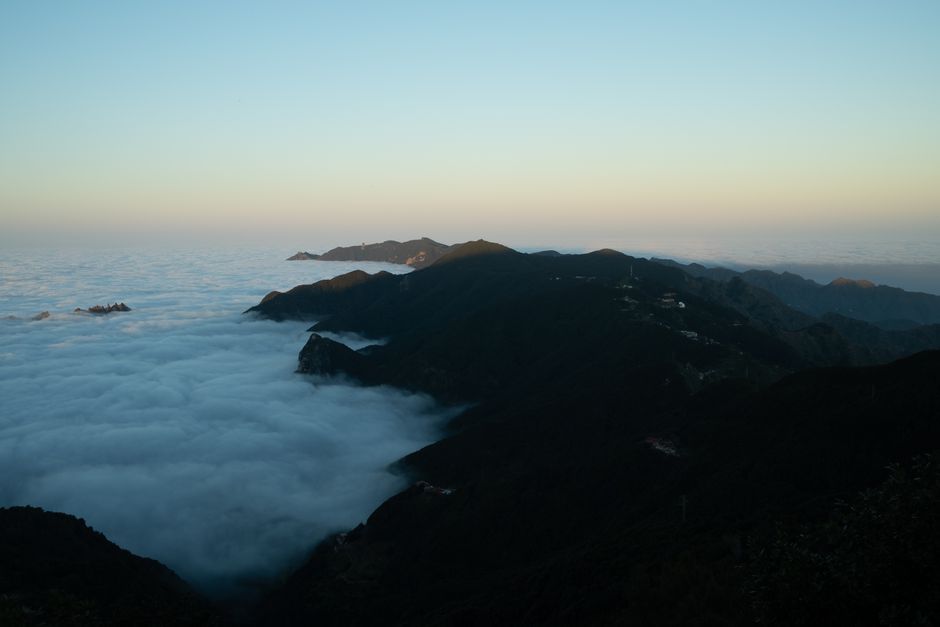
The central massif of Gran Canaria offers sweeping panoramas and hikes for all levels. Roque Nublo and Pico de las Nieves are must-sees. Roque Nublo — approximate access address: Roque Nublo, 35300 Tejeda, Las Palmas, Spain — is reached from a main parking area on the GC-600 (GPS coordinates are often provided by tourist offices). Trail access is free; the hike from the main parking to the iconic rock takes about 30–45 minutes (round trip, moderate uphill). Pico de las Nieves, the highest point accessible by car, is at Pico de las Nieves, 35328 Tejeda, Las Palmas, Spain; the viewpoint offers 360° island views.
Hours and seasons: trails are open year-round, but it’s best to set off early to avoid high summer temperatures and midday clouds. In winter, temperatures at altitude can drop significantly (5–10 °C cooler than the coast), so bring warm layers. For organized excursions, full-day mountain tours typically depart around 08:00 and return between 17:00 and 18:00; price: €40–€75 per person, depending on whether lunch is included.
Safety and local tips: independent hikers should carry a hat, sunglasses, at least 2 liters of water per person for a half-day, energy snacks and an offline map or GPS (mobile coverage can be limited). Hiking shoes are recommended. Trails around Roque Nublo and Pico de las Nieves are well maintained, but mountain weather can change quickly — avoid exposed ridges in strong winds.
Access and parking: Roque Nublo’s parking is free but limited; in high season arrive before 10:00. Some organized tours include stops at local markets (Tejeda, Cruz de Tejeda) or artisan workshops (corn bread, palm honey). For a refuge or meal stop, Casa del Parador (Parador de Cruz de Tejeda) is at Cruz de Tejeda, Carretera GC-15, 35330 Tejeda — local cuisine with main dishes around €12–€25.
Organized excursions vs independent mountain trips
- Organized: transport, guide, stop at the best viewpoints, often lunch included. Price: ~€40–75.
- Independent: full freedom, fuel and parking costs, ability to make extra photo stops and linger longer. Plan logistics and gear.
Villages and heritage: Vegueta, Teror, Puerto de Mogán — cultural immersion
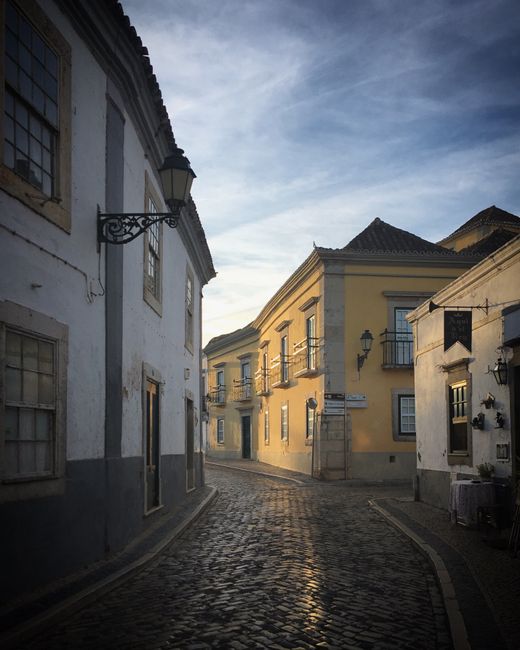
To get to the heart of Gran Canaria, visit its villages and historic neighborhoods. Vegueta, the old quarter of Las Palmas de Gran Canaria, is packed with monuments and museums: Casa de Colón, address Calle Colón, 1, 35001 Las Palmas de Gran Canaria, Las Palmas, Spain — the museum is usually open Tuesday to Sunday, 09:30–19:00 (check public holidays); indicative adult price: €4–€6. The Cathedral of Santa Ana (Calle Mayor de Triana, s/n, 35001 Las Palmas de Gran Canaria) plays a central role in the city and can be visited around mass and visiting hours (generally 10:00–18:00). These sites are perfect for a guided walking tour (organized walking tour: €15–€30 per person for 2 hours) or for exploring on your own by wandering the narrow streets.
Teror, famous for its basilica, is a pilgrimage site and a center for local crafts. Basílica de Nuestra Señora del Pino, Plaza Nuestra Señora del Pino, 15, 35200 Teror, Las Palmas, Spain — typical hours: 07:00–20:00; visiting is free, donations welcome. Teror’s Sunday market is the best time to buy local cheeses, honey and traditional products. Organized tours from beach resorts often include Teror with a stop of around 1h30 to 2h; typical price: €20–€35 depending on the route.
Puerto de Mogán, nicknamed “Little Venice” for its canals and pretty marina, is at Puerto de Mogán, 35138 Mogán, Las Palmas, Spain. It’s ideal for an independent drive (paid parking near the marina) or a catamaran excursion from the south (departures from Puerto Rico or Mogán; dolphin-watching cruises cost €30–€55 per adult, lasting 3–4 hours, with morning and afternoon departures). For dinner at the marina after your visit, Restaurante La Marina — Muelle La Lajilla, Puerto de Mogán — serves fresh fish with main courses at about €15–€30.
Local tips for a successful cultural experience
- Favor morning market visits to avoid crowds and find the best products.
- If you choose a guided tour, check the guide’s language: some small-group tours are offered only in English or Spanish.
- For Puerto de Mogán, book a terrace table if you want to enjoy the sunset over the marina, especially in high season.
Theme parks and family activities: Palmitos Park, Aqualand, boat trips
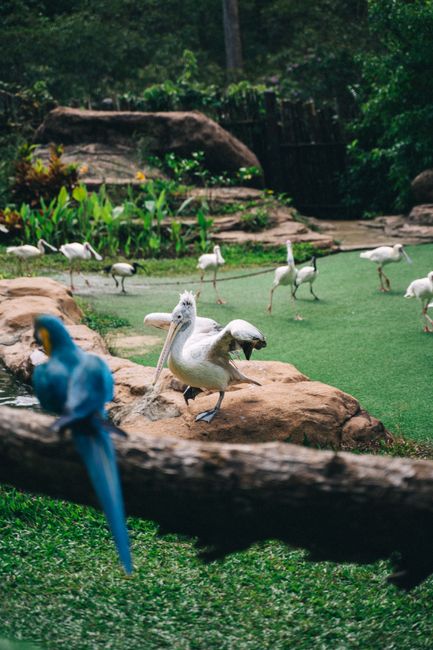
Gran Canaria also caters to families. Palmitos Park is a much-loved animal and botanical park. Address: Palmitos Park, Avenida Fuente Lajares, s/n, 35109 Maspalomas, Las Palmas, Spain. Typical hours: 10:00–18:00 (times vary by season). Indicative price: adult €36; child (3–11) €25; free for under 3. Bird shows, the large aquarium and the butterfly house are highlights. Organized circuits sometimes include the park combined with other southern attractions; price: €45–€70 depending on transport and meals included.
Aqualand Maspalomas (water park): Aqualand Maspalomas, Avenida de Italia, s/n, 35100 San Bartolomé de Tirajana, Las Palmas, Spain. Hours: generally 10:30–17:00 (early closing off-season). Indicative price: adult €28; child €21; family tickets and fast-track options available. Slides, wave pools and kids’ areas make it a great summer family activity. Tips: arrive at opening to avoid queues and the midday heat; bring swimsuits, towels and sunscreen.
Boat trips: dolphin-watching and snorkeling are classics from the south and Puerto de Mogán. 3–4 hour cruises usually cost between €30 and €55 per adult, with departures in the morning (08:00–10:00) and afternoon (15:00–17:00). For a more private experience, private boat hires (skipper included) start at around €150 for 2–3 hours depending on season and passenger count.
Choosing organized vs independent for families
- Organized: convenient if you want hotel–park transfers, tickets included and reserved waiting areas. Perfect for a hassle-free day.
- Independent: offers schedule flexibility and the chance to combine several attractions. Always check online deals for discounted tickets.
Practical info: transport, costs, logistical tips
To decide between an organized excursion and an independent outing, understand costs and logistics. Car rental: prices vary a lot by season. Indicative off-season price: €20–€35/day for a small city car; high season: €40–€70/day. Fuel: budget around €1.60–€1.90/liter (variable). Main roads (GC-1 along the south coast, GC-2 to the north and GC-60/GC-600 inland) are well maintained, but mountain roads can be narrow and winding.
Public transport: Global buses (Guaguas Global) serve the island. Example: bus 66 links Las Palmas to Maspalomas (times vary, journey about 1h20–1h40 depending on traffic). Fares: one-way between Las Palmas and Maspalomas ~€8–€12 depending on distance; prepaid cards reduce cost per trip. For organized tours, expect minibuses or coaches with hotel pickup: they usually put a sign at reception; typical half-day price: €25–€45.
Practical local tips:
- Book popular excursions (dunes, Roque Nublo, cruises) in advance during high season (December–February and July–August).
- If you drive, download offline maps (Google Maps or Maps.me) and carry cash for parking and possible tolls.
- To save money, compare prices across several sites (local tourist office, blogs, local agencies). Agencies near resorts often have competitive rates.
- Think about environmental responsibility: stay on marked trails, don’t take sand from the dunes and leave no litter behind.
Conclusion — Which option to choose in Gran Canaria?
The choice between organized tours and independent trips in Gran Canaria mainly comes down to your priorities: comfort and time-saving, or freedom and immersion. Organized tours offer simplicity, expert commentary and often an optimized itinerary without logistical stress; they’re perfect for time-pressed travelers, families with young children or anyone wanting a structured overview of the highlights (dunes, mountains, villages). Prices generally range from €25 for a half-day to €75 or more for full-day experiences including meals and entries.
Independent outings are best if you value flexibility, personalization and savings (especially if you already have a car). They require more preparation: finding addresses, paying attention to opening hours (for example Palmitos Park 10:00–18:00, Aqualand 10:30–17:00, Casa de Colón 09:30–19:00), managing parking and sometimes having good fitness for high-altitude hikes. The payoff is huge: stopping for a sunset at the Maspalomas Dunes, following an off-season mountain trail to Roque Nublo, or wandering Vegueta’s alleys without following a group.
To make the most of your stay, many travelers use a mixed approach: plan 1–2 organized excursions (for example a mountain day and a cruise or a guided Las Palmas walking tour) to cover the must-sees without stress; then dedicate 2–3 days to independent trips (rental car) to explore villages, lesser-known beaches and secondary viewpoints at your own pace. That way you get the best of both worlds: guide expertise and personal freedom.
Finally, remember the practical aspects: follow indicated opening times and seasons, check prices before you travel (they can vary slightly by period and demand), and keep sustainability in mind. Gran Canaria is a rich, diverse destination where either choice — organized or independent — can deliver memorable experiences when you’re well prepared. Safe travels and buena suerte on the island’s roads and trails!