





Introduction — Gran Canaria: must-see routes and budget transport
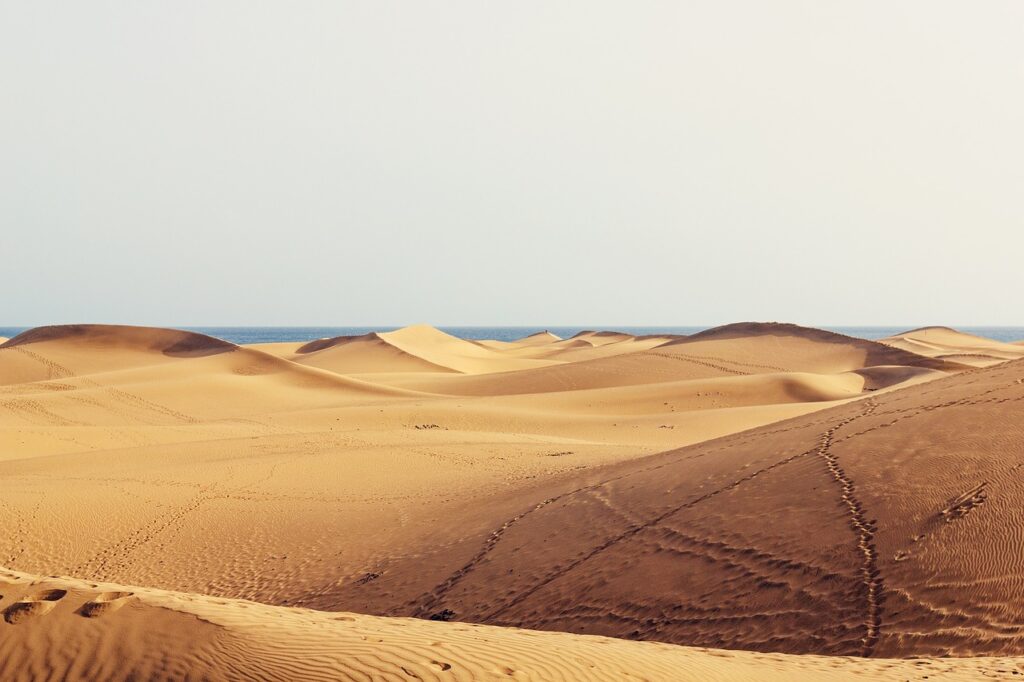
Gran Canaria is an island of striking contrasts: golden beaches, Saharan-style dunes, volcanic mountains and hilltop villages. For budget-minded travelers, the island boasts a solid public transport network, inter-island ferries, and affordable rental options (e-bikes, shared scooters and low-cost cars). This guide lays out must-see Gran Canaria itineraries designed to make the most of your time while keeping travel costs low. The goal is twofold: see the iconic spots without overspending or wasting time on long transfers.
I’ll break down practical routes from the main hubs (Las Palmas de Gran Canaria in the north and Playa del Inglés/Maspalomas in the south) to highlights like Playa de Las Canteras, Vegueta, Roque Nublo, Mirador del Balcón, the Maspalomas dunes, Puerto de Mogán and inland villages such as Tejeda and Teror. For each stop you’ll find: exact addresses, recommended hours, indicative prices in euros (bus fares, entry fees, parking), immersive descriptions and local tips to travel smart (transport cards, peak times, cheap alternatives).
The bus network is the backbone of budget travel on Gran Canaria. Two main operators cover the island: Guaguas Municipales (Las Palmas city network) and Global (interurban services across the island). Buying a rechargeable travel card (ten/bono cards) cuts fares significantly. Buses to the southern tourist areas (Maspalomas, Playa del Inglés, Puerto Rico) are frequent and inexpensive; from Las Palmas expect roughly €2.50–€5.00 for interurban trips depending on distance, and about €1.40–€2.00 for a city ride if you pay cash. Ferries (Naviera Armas, Fred Olsen) are handy for day trips to Tenerife or La Gomera, but for on-island routes buses remain the cheapest option.
This guide takes a practical view: typical schedules (busy mornings, calmer evenings), tips to avoid crowds (head out early for Roque Nublo, late afternoon for Las Canteras) and cost-saving recommendations (day passes or recharging your card, combined transport + entry deals). Each section also includes local advice: where to eat cheaply, viewpoints not to miss, and alternatives if the weather turns. Whether you’re hiking, beach-loving, snapping photos or looking for authenticity, these budget-friendly routes will help you make the most of Gran Canaria without sacrificing the experience.
1. Las Palmas de Gran Canaria — historic Vegueta and Playa de Las Canteras (from the centre by bus)
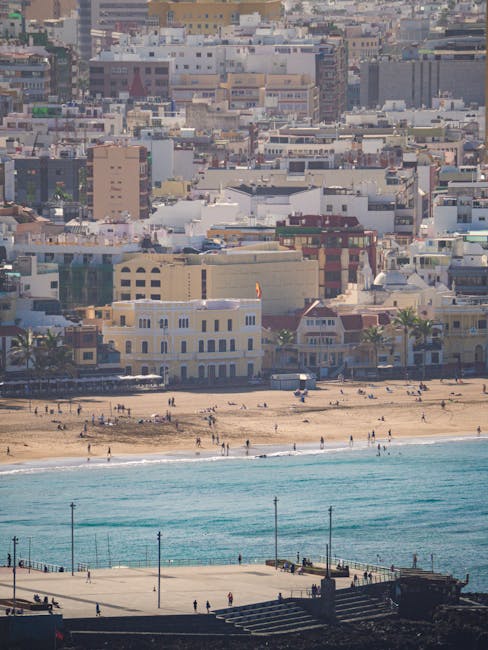
Las Palmas de Gran Canaria, on the island’s northeast, is a great place to get a feel for Gran Canaria: history, culture and urban beach life. Start your morning in the historic Vegueta quarter, visit the Casa de Colón, then head down to Las Canteras beach for a late-morning swim. This route is ideal for travellers with light luggage or those staying in the city centre.
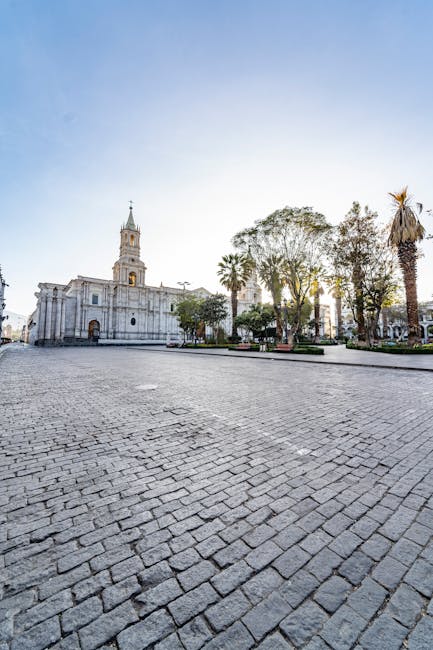
Vegueta — Plaza de Santa Ana, Cathedral and surroundings: main address to start your visit: Plaza de Santa Ana, 7, 35001 Las Palmas de Gran Canaria. Here you’ll find the Catedral de Santa Ana (Plaza de Santa Ana s/n, 35001 Las Palmas de Gran Canaria). Hours: typically 10:00–18:00 (seasonal variations), tower visits around €3.00–€5.00. The cathedral mixes Gothic and neoclassical elements; its cloister and views over the city are impressive.
Casa de Colón museum — Calle Colón, 1, 35001 Las Palmas de Gran Canaria. Typical opening hours: Tue–Sat 09:00–18:30, Sun 10:00–14:00. Fees: full price €4.50–€6.00 (reduced for students/seniors around €3.00–€4.00). The museum covers Columbus’s voyages and the role of the Canary Islands as a crossroads between Europe, Africa and the Americas.
Getting to Las Canteras: From Vegueta take a Guaguas Municipales city bus. Central stops include Parque Santa Catalina (Avenida de Mesa y López). Standard city fare: around €1.40 in cash; with a rechargeable card (tarjeta) you can drop to ~€1.00. Frequency: every 8–15 minutes during the day depending on the line and season. Duration: 10–20 minutes depending on traffic.
Playa de Las Canteras — Paseo las Canteras, 35008 Las Palmas de Gran Canaria. This 1.5 km urban beach offers a great mix: swimming, snorkeling behind the rocks (La Barra), cafés and long promenades. Mornings are perfect for swimmers and joggers; by midday the beach and paseo get busy. Cheap eats: beach bars and chiringuitos on the promenade with tapas from €6–€8 and full meals €10–€15.
Practical tips:
- Guaguas Municipales card: buy a rechargeable card at kiosks or stations. Initial cost ~€2.00 plus top-ups. Big savings if you take multiple trips.
- Best time: Vegueta early (09:00–11:00) to avoid cruise-bus crowds; Las Canteras late morning to enjoy a swim after sightseeing.
- Parking: public underground parking Parque San Telmo (Plaza de Canarias) at Avenida Marítima, 35007; rate ~€1.20 / hour.
2. Maspalomas and Playa del Inglés — dunes, the lighthouse and low-cost transport (from the south)
The tourist south of Gran Canaria revolves around the Maspalomas dunes and Playa del Inglés. These spots are easy to reach from nearly any southern resort by Global interurban buses at very reasonable prices or via local lines. It’s a perfect half-day or full-day outing, especially if you want to wander the dune landscape and watch the sunset by the lighthouse.
Maspalomas Dunes — Avenida de Touroperador TUI / Avenida de Colón, 35100 San Bartolomé de Tirajana (Maspalomas area). The vast Maspalomas nature reserve is free and open 24/7. Walk early (07:30–10:00) to beat the heat and crowds. Viewpoints: Mirador las Dunas (on Avenida del Faro). Don’t miss the lagoon (Charca de Maspalomas) at the base of the dunes, a stopover for migratory birds.
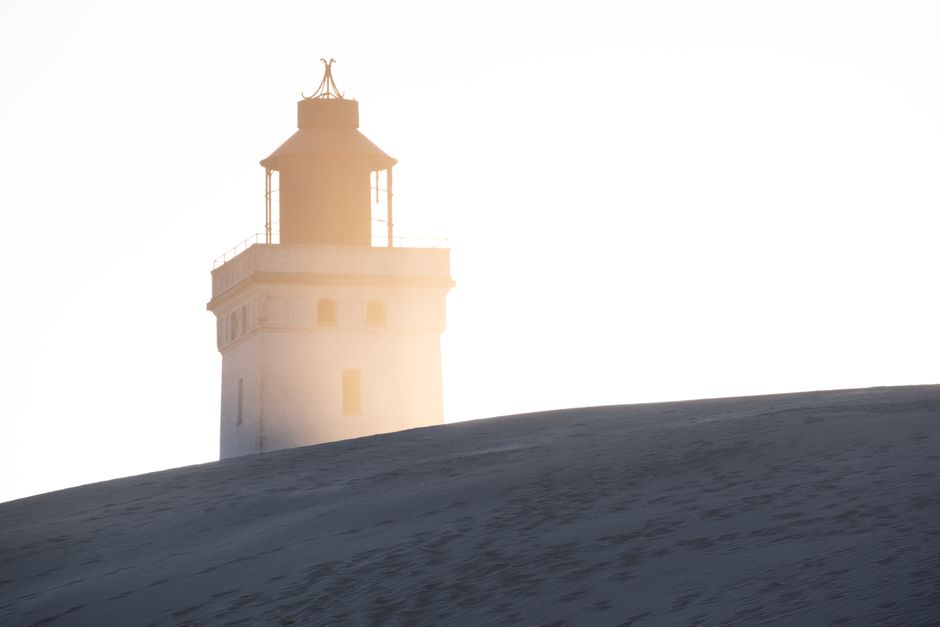
Maspalomas Lighthouse — Avenida del Faro, 35100 Maspalomas. The lighthouse is a great photo spot at sunset. The coastal promenade links the Faro to Playa del Inglés in a 20–30 minute walk.
Getting there: Numerous Global lines run from Playa del Inglés/Meloneras to Maspalomas; a typical interurban ticket costs €1.70–€3.00 depending on distance. Example: Line 30 (local service) and other interurban lines serve stops on Avenida de Tirajana and Faro de Maspalomas. Frequency: high season every 10–20 minutes between 07:00–23:00; off-season less frequent.
Activities and prices:
- Guided buggy or quad tours on the dunes: €40–€80 per person for 1–2 hours (more expensive than walking).
- Tourist camel rides: about €12–€18 for 20–30 minutes (prices vary).
- Nearby attractions: Holiday World Maspalomas (Parque Comercial Meloneras, Avenida de Italia, 35100) offers amusement parks, bowling and cinema; attraction prices from €5–€15.
Local tips:
- Bring water and sun protection: dune glare can be intense.
- Visit the lagoon at sunrise for birdwatching and to avoid the crowds.
- If you’ll be using Global buses all week, ask about 7-day passes or longer top-ups that can lower your total cost (available at ticket offices and kiosks). A single Playa del Inglés–Maspalomas trip often costs under €2.00.
3. Roque Nublo, Tejeda and the mountainous interior — a low-cost route from San Bartolomé or Las Palmas
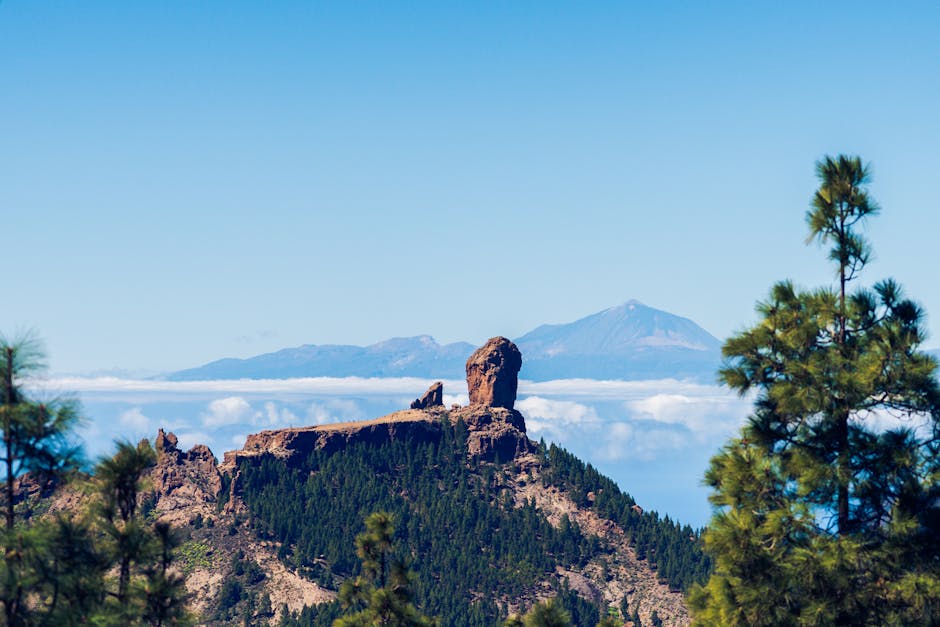
Gran Canaria’s mountainous interior is one of the island’s most spectacular faces: hiking trails through Canary pines, volcanic rock formations and mountain villages. Roque Nublo and Tejeda are must-visits. Although services are less frequent than along the coast, you can reach the area economically by Global bus from Las Palmas or from the south (Maspalomas, San Bartolomé de Tirajana).
Roque Nublo — Paraje Natural Roque Nublo, access via Carretera GC-600/GC-65/GC-60 depending on your start. Official trailhead: Los Muchachos parking (along GC-600, approx. 35300 Tejeda). Short hike: 1.5–2.5 km round trip from the parking to the rock; about 45–75 minutes depending on pace. Access free: open year-round. The trail climbs through lunar-like landscapes with possible sea-of-clouds views; panoramic views from the Roque Nublo and surrounding ridges are outstanding.
Getting there by bus: From Las Palmas take a Global interurban line heading inland (for example lines toward Tejeda/Valleseco; duration ~1h15–1h45, fare approx. €4.00–€6.00 depending on origin). From Maspalomas/Playa del Inglés there are direct lines or services via San Bartolomé (1h10–1h45, fare approx. €4.50–€7.00). Frequency: 2–6 services per day on some interior routes — check schedules at Global ticket offices (estaciones de guaguas) or the official site. Early departures (07:00–09:00) are recommended to maximise the day and avoid strong mountain winds later.
Tejeda — Plaza de la Iglesia, 35330 Tejeda. This village is listed among Spain’s « pueblos más bonitos »; expect cafés and small artisan shops. Recommended break: coffee and a light lunch (bocadillos €3–€6, local menus around €10–€15). Flowered balconies, churches and pine-framed panoramas make it very photogenic.
Hiking tips:
- Light hiking boots and water: temperatures can change quickly between the coast and 1,800 m altitude.
- Bus schedules: plan both outward and return trips, as evening services are often limited.
- Bring a paper map or an offline GPS file: mobile coverage can be patchy in ravines.
4. Puerto de Mogán and the west coast — fishing village and cheap crossings
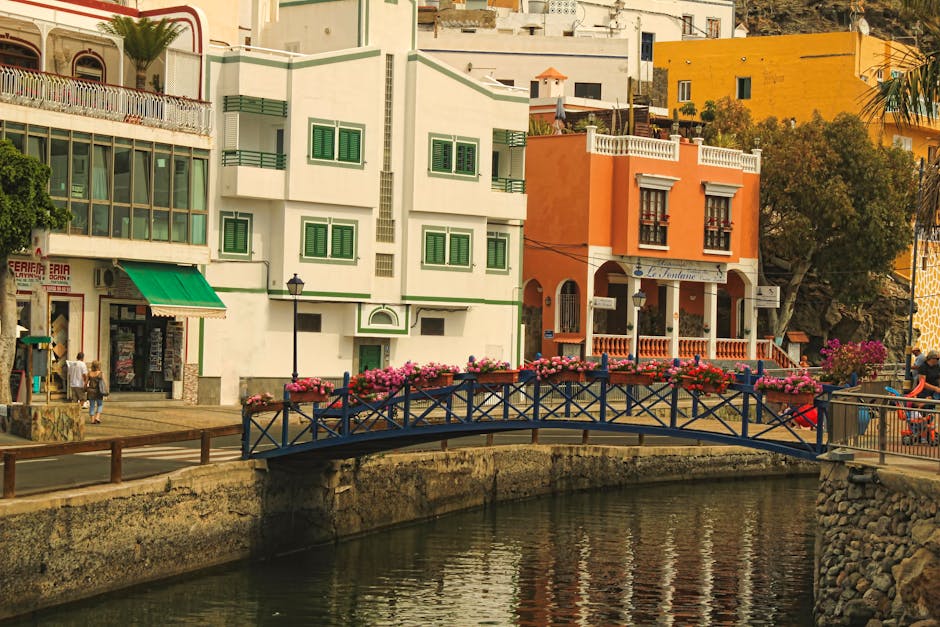
Puerto de Mogán, nicknamed « the Venice of the Atlantic » for its canals and bridges, is a must on the southwest coast. It’s a charming village with a pleasant marina, a sheltered beach and a weekly market (Fridays). It’s easy to reach from Playa del Inglés, Maspalomas or Las Palmas by Global buses or local lines, and the harbour promenade has plenty of budget-friendly lunch options and strolling routes.
Main address: Puerto de Mogán, 35138 Mogán, Las Palmas. The port and central beach are walkable from the resort area. The Puerto de Mogán market is usually held on Fridays along the Avenida marítima (approx. 09:00–14:00).
Getting there: Global buses from the south (Maspalomas/Playa del Inglés) to Puerto de Mogán; estimated interurban fare €2.50–€4.00 depending on your starting point. Travel time: 25–50 minutes from major southern tourist centres. From Las Palmas the journey is longer (around 1h15–1h45) and fares higher (€4.00–€7.00).
Activities:
- Marina and canal walk: free, great for photos at sunrise or sunset.
- Diving and snorkeling: local schools offer beginner dives from €35–€50.
- Boat trips to caves and dolphin spots: shared excursions €25–€45 per person (2–3 hours).
- Fish market and local restaurants: fresh fish and tapas from €8–€12; full menus €12–€20.
Budget tips:
- Use the local bus rather than organised tours if you mainly want to stroll and sunbathe: you’ll often save €10–€30 per person.
- Book sea activities directly at the port in the morning: prices are often negotiable for group departures or off-season trips.
- If you arrive by rental car, park in peripheral public lots; daily rates are usually cheaper than seafront parking.
Conclusion — make the most of Gran Canaria with budget transport
Gran Canaria is easily explored on a budget if you plan around the bus networks (Guaguas Municipales for Las Palmas and Global for interurban links). Top sites—Vegueta and Casa de Colón in Las Palmas, Playa de Las Canteras, the Maspalomas dunes, Roque Nublo and inland villages, plus Puerto de Mogán—are all reachable without always needing a rental car. By topping up travel cards, leaving early to catch first services and choosing well-located accommodation (near major bus stops), you can cut the overall cost of your trip significantly.
A few final recommendations for an affordable, smooth stay:
- Plan ahead: some interior lines only run a few times per day; check return times to avoid pricey taxi rides.
- Rechargeable card: pick up a tarjeta for Guaguas Municipales/Global and top it up as needed — the savings add up quickly.
- Mix modes: combine buses, walking and short-term rentals (e-bike or scooter) for cheap, flexible transfers; daily rentals often start around €15–€25 for an e-bike and €20–€35 for a scooter depending on season.
- Local meals: opt for the menú del día and small local bars for full meals €8–€15, rather than tourist seafront restaurants.
- Best times: head out early for Roque Nublo and Tejeda; aim for late afternoon at Maspalomas and Las Canteras for the best sunset photos.
Following these routes and tips will help you soak up Gran Canaria’s landscapes and culture while keeping costs under control. Each itinerary here is designed to be doable with budget transport and includes addresses, indicative hours and average fares to make planning easier. Have a great trip and enjoy discovering Gran Canaria — so much diversity is within easy reach by bus.