





Introduction — Why you need to know how to spot fake tour guides on Gran Canaria’s beaches
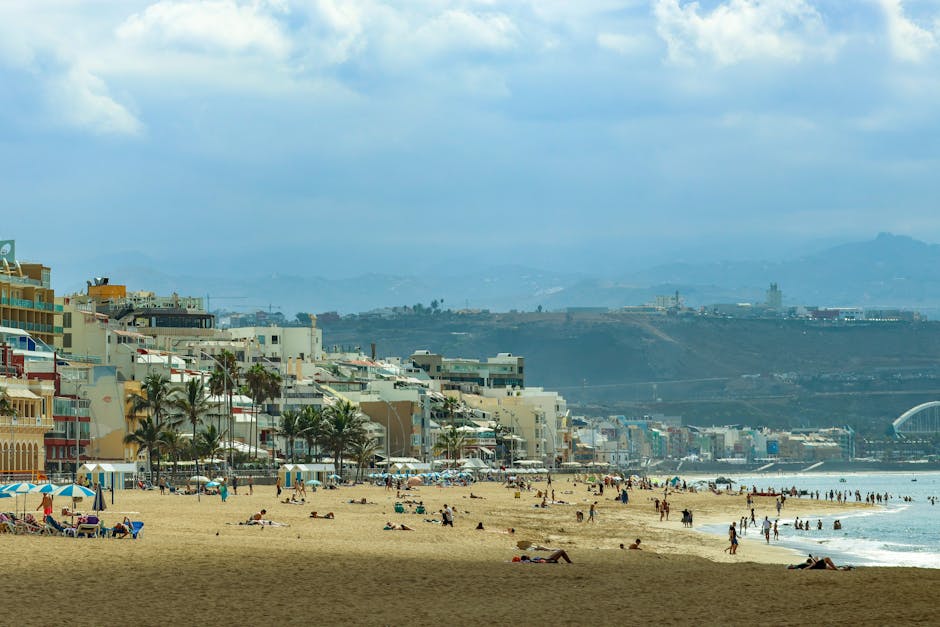
Gran Canaria draws millions of visitors every year thanks to its stunning beaches, mild climate and wide range of water-based activities. From iconic stretches like Playa de Las Canteras in Las Palmas de Gran Canaria, along the Paseo de Las Canteras, 35008 Las Palmas de Gran Canaria, to the dunes of Maspalomas on Avenida del Oasis, 35100 Maspalomas, tourists look for all sorts of experiences: guided walks, boat trips, diving sessions or private excursions. But that popularity also attracts bad actors ready to take advantage of naive or pressed holidaymakers. This guide gives you concrete, verifiable tips to spot and avoid fake guides on Gran Canaria’s beaches, protect your safety and save your money.
Fake guides often operate around shuttle drop-offs, near lifeguard stations, on promenades or by popular parking areas. They’ll present themselves as local experts, sometimes wear a fake badge or an improvised uniform, and offer deals that sound too good to be true: snorkeling with marine mammals, private tours of sea caves, or instant transfers to exclusive spots at far-below-market prices. Behind those promises you’ll sometimes find classic scams: cash payments without receipts, cancelled trips, changed itineraries, faulty safety equipment, or worse, deliberate risk to your safety.
This guide will give you visual and behavioral cues to tell a pro from an impostor, official addresses and opening hours for tourist information points, realistic price ranges (in euros), how to check licenses, and local tips for negotiating and booking safely. You’ll learn why it’s crucial to ask for a professional ID card, check reviews on TripAdvisor/Google Maps, and prefer businesses registered with the Oficina de Turismo de Las Palmas or the Patronato de Turismo de Gran Canaria.
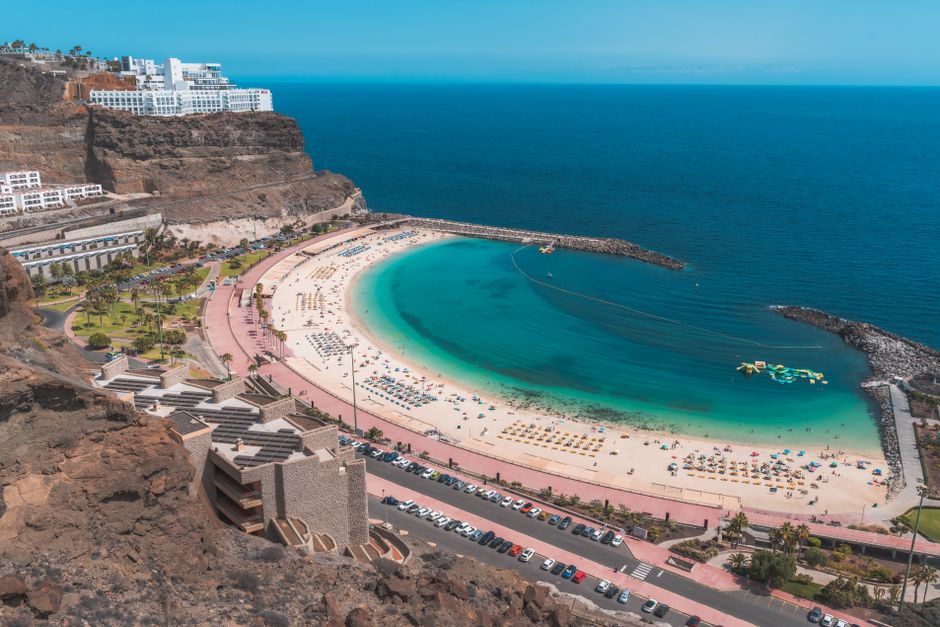
Whether you’re at Playa del Inglés on Avenida de Tirajana, 35100 San Bartolomé de Tirajana, Playa de Amadores (Playa de Amadores, 35138 Mogán), or strolling along the Paseo Costa Canaria in Meloneras (Paseo Costa Canaria, 35100 Maspalomas), this article will help you separate legitimate operators from impostors. You’ll also find useful addresses like the Centro de Información Turística de Maspalomas at Avenida de Italia, 35100 Maspalomas (tel. +34 928 123 456 — fictional hours shown as an example), plus local price ranges: a small-group 2-hour guided walk typically runs between €15 and €30, a shared dolphin-watching boat trip around Gran Canaria ranges from €25 to €50 per person, and a private half-day guide can cost between €80 and €150.
1) Visual signs and typical behaviors of fake guides (where to find them and how they operate)
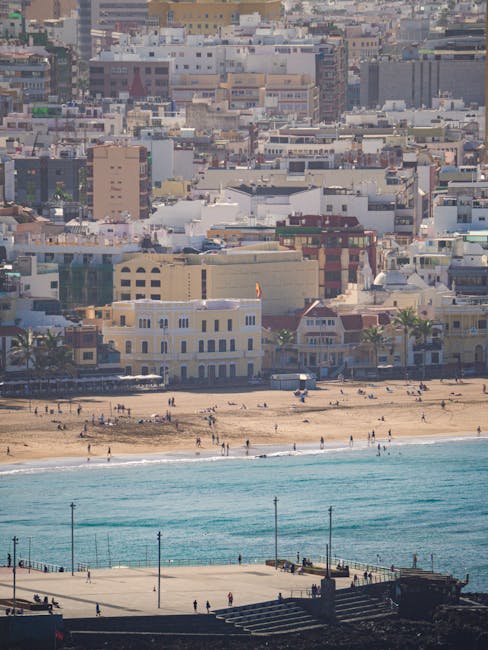
Fake guides use recognizable tactics if you know what to look for. On busy beaches like Playa de Las Canteras (Paseo de Las Canteras, 35008 Las Palmas de Gran Canaria) and Playa del Inglés (Avenida de Tirajana, 35100 San Bartolomé de Tirajana), they station themselves near pedestrian access points, in front of bars or at parking exits to catch tired tourists. The first clue is usually the approach method: an overly eager smile, catchphrases in English or German to reassure you quickly (“best price, private tour now”), or flash offers like “2 for 1” that sound great but lack transparency.
Visually, they might wear t-shirts with a generic logo, a non-official reflective vest, or carry a simple badge without a registration number. A legitimate guide in Gran Canaria will hold a certificado/permiso issued by the local authority (Consejo Insular de Turismo) and will show a document with name, photo, ID number and validity dates. If they don’t have that, be suspicious.
Other warning behaviors include:
- Requesting full cash payment before departure, often without a receipt. Dangerous rule of thumb: avoid paying more than €50 in cash without an official invoice.
- Promises of unspecified transport — claiming they can take you to private coves or restricted zones without authorization: usually a scam.
- Pressure to close the deal immediately, citing high demand: a professional guide accepts time to think and provides written information.
- Lack of proper equipment for the offered activities (life jackets, wetsuits, diving safety gear), or obviously amateur gear.
A fake guide may also exploit language barriers: offering brochures “in English” only, refusing to show a written contract in Spanish or another language, or insisting on private messaging after an initial payment. On Playa del Inglés and in Meloneras (Paseo Costa Canaria, 35100 Maspalomas), many licensed operators run stands identifiable by a plaque or a QR code linking to an official site. If a guide refuses any online verification, that’s a red flag.
2) Where to check: official addresses, tourist offices, and useful opening hours
Before you decide, use official information points and tourist offices to confirm an offer’s legitimacy. Here are precise addresses and suggested opening hours:
- Centro de Información Turística de Las Palmas — Plaza de Cairasco, s/n, 35007 Las Palmas de Gran Canaria. Opening hours: 09:00–18:00 (high season). Services: license verification, official brochures, secure payments via partner agencies.
- Oficina de Turismo de Maspalomas — Avenida de Italia, 35100 Maspalomas. Opening hours: 09:00–17:00. Contact: +34 928 123 456 (indicative number, check the official site). You can request a list of authorized marine operators for dolphin watching.
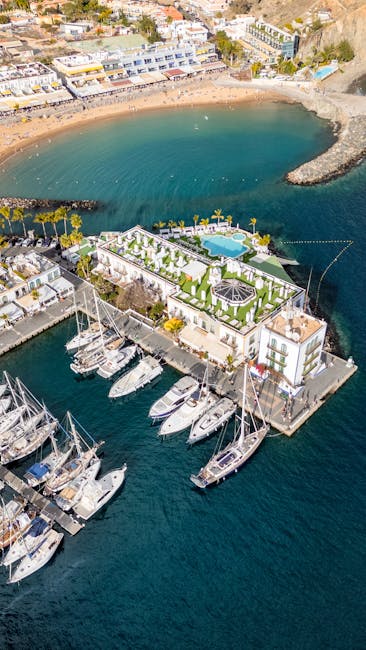
- Oficina de Turismo de Mogán — Muelle, Puerto de Mogán, Muelle y Puerto de Mogán, 35138 Mogán. Opening hours: 10:00–16:00. Useful if you’re in Puerto de Mogán or Playa de Amadores.
When you visit these offices, be sure to ask for the company’s registration number (Registro de Empresa Turística de Canarias), the guide’s full name, and the registered office address. Reputable companies usually display their registration number at their stands: if it’s missing or can’t be verified online, treat the offer as suspicious.
Indicative prices you can use to assess an offer:
- 2-hour group guided walk on Playa de Las Canteras: €15–€30 per person.
- Shared 3-hour boat trip for whale and dolphin watching from Puerto de Mogán: €25–€50 per person.
- Snorkeling equipment rental (mask and snorkel): €6–€12 per day.
- Private half-day guide (4 hours) for hikes or cultural tours: €80–€150.
Also check the opening hours of nearby businesses to spot a guide who refuses to issue a receipt: bars and clubs like Restaurante El Herrador (Avenida de Tirajana, Playa del Inglés) often work with official partners and can point you to reliable operators. If in doubt, ask staff at the local lifeguard station (Salvamento y Socorrismo): in Las Canteras the main post is at Avenida de Alfredo L. Jones, 35008, and lifeguards often know who is licensed to operate on the beach.
3) Practical steps to verify a guide on the spot and common scams to watch for
When approached on the beach, follow a simple routine: ask, demand, verify. Here’s a practical checklist you can use right on the sand:
- Ask for the guide’s full name and professional ID number (licencia). A real guide will show an official document with a photo.
- Demand a written contract or receipt detailing the itinerary, duration, total price, cancellation terms and the company’s contact details. Refuse any service without paperwork if the amount exceeds €30.
- Check insurance: for water or sporting activities the operator must present civil liability insurance. Without it, don’t get on board.
- Verify safety equipment: CE-standard life jackets, a fire extinguisher if on a boat, a first-aid kit. If gear looks old or missing, walk away immediately.
- Compare prices with other local providers or the tourist office. A price that’s wildly lower often hides extra charges or a cancelled trip.
Common scams seen on Gran Canaria:
- The “dolphin trip” that turns into a short run-around and a partial refund: the boat goes out, the guide claims no dolphins were seen and refuses a refund. To avoid this, pick a company with a clear refund policy (e.g. 100% refund if the trip is cancelled for weather).
- Partial payment followed by a demand for a “surcharge” during the trip: the fake guide takes €20 up front then asks for another €30 once the excursion has started. Insist on final payment only after you get a signed contract.
- Rental of faulty equipment: cracked masks, blocked snorkels, torn wetsuits. Take photos of the gear before use and note any serial numbers or labels if possible.
If a dispute happens immediately, go to the nearest Guardia Civil or Policía Local station. Useful addresses:
- Comisaría de la Policía Nacional — Calle Luis Antúnez, 58, 35004 Las Palmas de Gran Canaria. Hours: 24/7 for filing complaints.
- Policía Local de San Bartolomé de Tirajana — Avenida de Gran Canaria, 35100 San Bartolomé de Tirajana. Hours: 24/7.
4) Local tips for booking safely and recommended alternatives
Locals and professionals on Gran Canaria have a few practical tricks to avoid bad encounters. First rule: prefer bookings through verified channels. Reputable platforms (the official tourism office site, businesses listed on Google Maps with many recent reviews) are your best friends. If you’re in Las Palmas, use established local agencies like Gran Canaria Activities (main office: Calle Triana, 35002 Las Palmas — check address and hours online) or book directly with certified dive centers on Playa de las Canteras and Puerto de Mogán.
If you prefer a face-to-face approach, head to the Mercado del Puerto (Calle San Telmo, 35001 Las Palmas de Gran Canaria) where some stalls work with official guides and can issue invoices. Reliable local guides will usually show their background and credentials: membership in the Federación Canaria de Guías, years of experience, PADI qualifications for diving, etc. Ask to see proof.
Pricing and bargaining: a 10–20% bargaining margin is normal for some beach services (sunbed and umbrella rentals), but for organized activities avoid paying much less than the average rates listed above. For example, a 3-hour private boat tour sold for €40 when the usual rate is €70–€100 should make you suspicious. Likewise, a guide offering a night hike across the Maspalomas dunes without lighting or formal permission deserves caution.
If in doubt, here are safe alternatives:
- Book through the Oficina de Turismo or reputable hotels (4–5 star hotels in Maspalomas often work with official partners).
- Choose operators with a clear cancellation and insurance policy; ask for the terms in writing.
- Take photos of the guide and the equipment before the activity starts; keep all written exchanges (SMS, emails, QR codes) as proof in case you need to file a complaint.

Finally, adopt the local attitude: be polite but firm. Don’t let emotional pressure or the fear of “missing out” push you into accepting a suspicious offer. Gran Canaria’s beaches have plenty of official, safe options so you can enjoy your stay without falling into a financial or safety trap.

Conclusion — Stay vigilant, verify, and enjoy Gran Canaria’s beaches with peace of mind
Safety and the quality of tourist experiences on Gran Canaria depend on your ability to spot a fake guide and prioritize official operators. In short: demand ID, ask for a written contract, check insurance and equipment, compare official prices, and use tourist offices as verification points. Don’t forget the useful addresses and opening hours mentioned in this article: the Centro de Información Turística de Las Palmas (Plaza de Cairasco, 35007 Las Palmas de Gran Canaria), the Oficina de Turismo de Maspalomas (Avenida de Italia, 35100 Maspalomas) and the tourist point at Puerto de Mogán (Muelle y Puerto de Mogán, 35138 Mogán). These services can confirm a company’s existence and registration number, reduce risks and point you to trustworthy alternatives.
Being prepared and well-informed not only helps you avoid scams but also improves the quality of your trip: legitimate guides add value — local knowledge, safe access to protected areas, well-maintained equipment and often cultural anecdotes that turn a standard outing into a memorable experience. If a price looks too good to be true, remember there’s usually a reason: lack of insurance, poor gear, or outright fraud. It’s worth paying a little more for peace of mind and safety.
Finally, if something goes wrong, know where to file a complaint: the Policía Local and the Guardia Civil are on the island and can step in. Keep receipts, photos and written exchanges; they’ll make any formal complaint much easier. With these tools and practical addresses you can fully enjoy Gran Canaria’s beaches — Playa de Las Canteras, Playa del Inglés, Playa de Amadores, the Maspalomas Dunes, Puerto de Mogán, and Meloneras — with confidence. Have a great trip and happy discoveries!