





Introduction — Why Explore Gran Canaria’s Interior
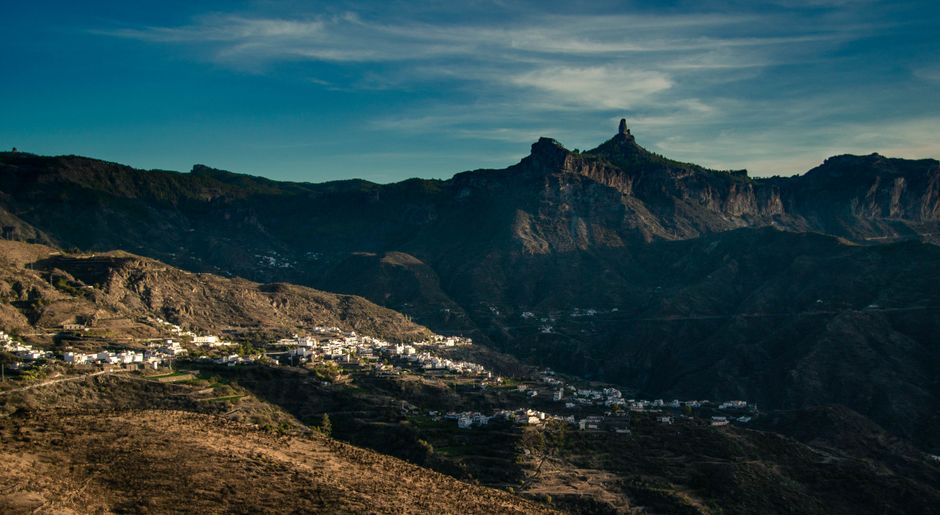
When most people picture Gran Canaria, they imagine Maspalomas’ beaches, golden dunes and bustling seaside resorts. But the island’s truest soul lies inland: a tangle of mountains, barrancos (gorges), pine forests and perched villages that feel like they’ve been frozen in time. The interior is a fantastic playground for hikers, photographers and anyone craving slower, deeper travel. This guide walks you through lesser-known hikes and villages across the island’s heart: routes, practical addresses, opening hours, prices, local tips and immersive descriptions to help you plan full days of discovery.
Trails inland range from short, family-friendly strolls to demanding cross-island hikes that require solid preparation. Landscapes shift quickly here: Canary pine forests, volcanic formations, lunar plateaus and terraced orchards. Interior villages — Tejeda, Artenara, Valleseco, San Mateo, Firgas and smaller hamlets — preserve agricultural traditions, hearty mountain cuisine (papas arrugadas adapted for altitude, palm honey, artisan cheeses) and a kind of hospitality that contrasts sharply with the coast’s hustle.
This guide is a practical tool for planning your outings: you’ll find detailed trail and village descriptions, exact addresses (town halls, visitor centers, museums, recommended eateries), prices in euros (entry fees, guided tours, transport), up-to-date opening hours and local tips to make the most of each destination. Recommendations cover mountain safety (gear, weather, water), access options (car, regional bus or “guagua”) and choices for those who prefer guided hikes or cultural visits.
Throughout this article you’ll see image markers 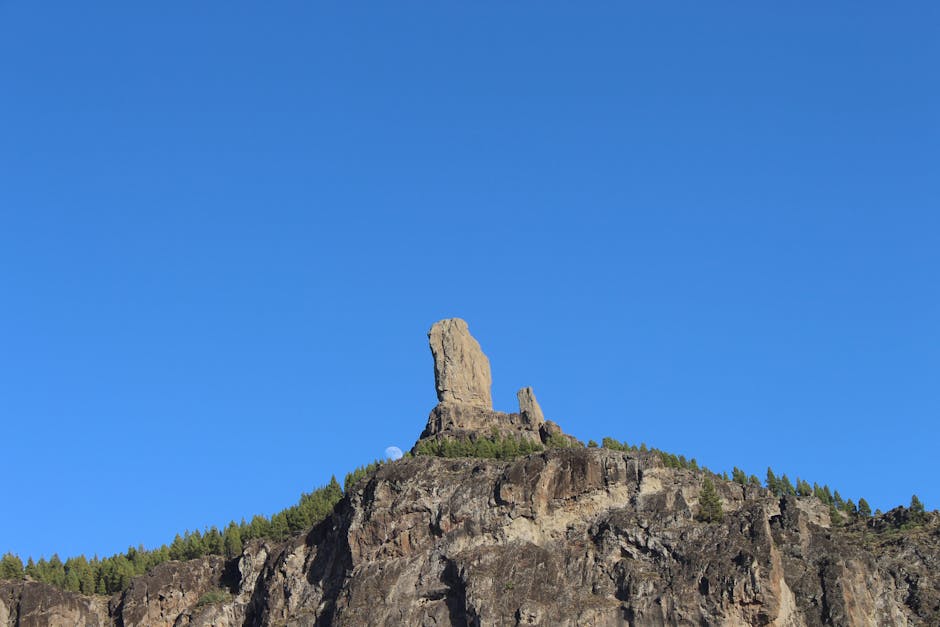 placed at the most visual spots to help you picture the locations and pack the right photo gear. These markers correspond to concrete scenes (for example “Roque Nublo rock formation sunrise landscape”) and suggest attractive photographic compositions.
Finally, this guide is versatile: useful for a day trip from Playa del Inglés or Las Palmas de Gran Canaria, and equally for a multi-day hiking itinerary linking refuges, rural guesthouses and cross-country trails. You’ll also find practical advice for protecting natural habitats and supporting local economies: buy palm honey or farm cheese, eat at family tavernas and stay in locally run casas rurales. Ready to explore? Lace up your hiking boots, grab a map, and head inland — a lesser-known, deeply rewarding Gran Canaria awaits.
Tejeda and Roque Nublo — Wild Heart and Iconic Vistas
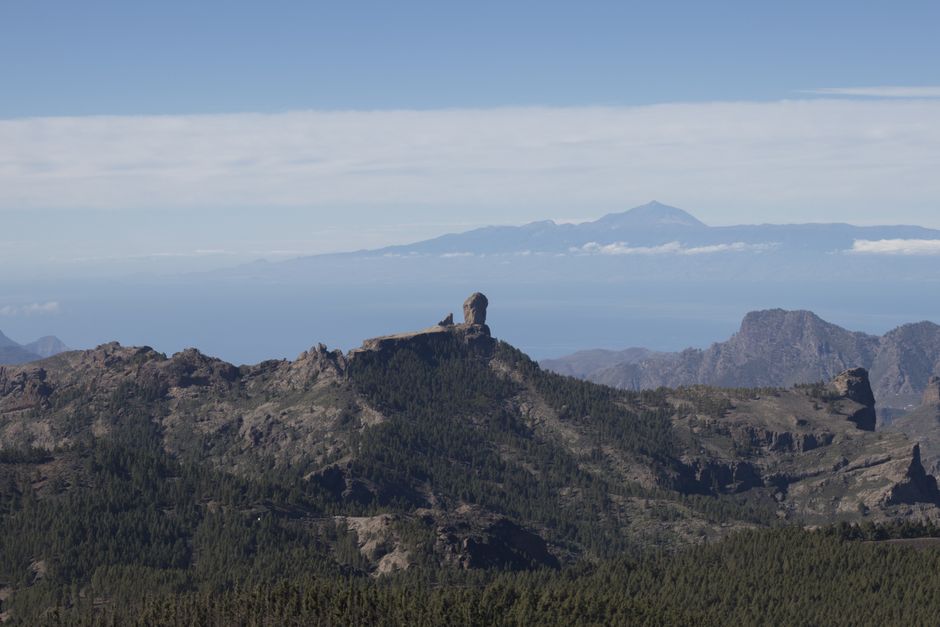
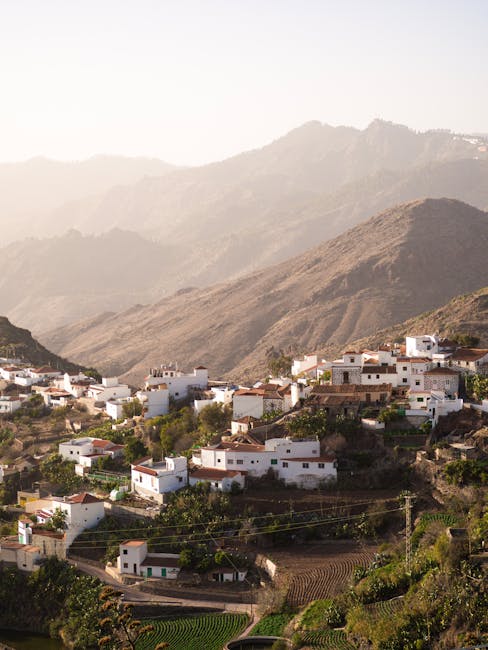
Tejeda is often considered the island’s geographic and emotional center. Perched at about 1,050 meters, the village offers spectacular panoramas of the mountain shapes and rock formations that define the landscape. The Roque Nublo — an emblematic volcanic monolith rising near Pico de las Nieves (the highest nearby summit) — is reachable by several well-marked paths. The most common hike begins at the Mirador del Nublo parking area on the GC-600 and follows a 1.5 km (one-way) trail to the rock’s base, roughly a 30–40 minute walk for an average hiker.
Practical Information — Tejeda
- Town hall address (Ayuntamiento de Tejeda) : Plaza del Pino 1, 35330 Tejeda, Las Palmas.
- Cultural center / Tourist office : Centro de Turismo de Tejeda, Calle Tomás Morales 2, 35330 Tejeda. Opening hours: 09:00–14:00 (Mon–Fri), 10:00–13:00 (Sat). Closed Sunday.
- Access : GC-600 from Cruz de Tejeda / GC-15. By bus: line 305 (Global) to Tejeda from Las Palmas; approximate fare €6–8 depending on distance.
The trail to Roque Nublo is free — there’s no ticketing for the natural site and access is open 24/7, but it’s strongly recommended to hike by daylight and avoid extreme weather. The Mirador del Nublo parking isn’t supervised; expect to pay €1–2 for parking in some areas or arrive early to find free spots.
While in Tejeda, treat yourself at the local pastry shop “Cruz de Tejeda Pastelería” (Calle Real de Tejeda 12, 35330 Tejeda) where they serve almogrote and almond-based sweets. Price guide: coffee €1.50–2.50, slice of cake €3–5. The village has several quality restaurants like Casa de los Balcones on the main avenue, offering mountain dishes priced around €10–18 per plate.
Local tips: set out before 09:00 for morning light on Roque Nublo and to beat the crowds. Carry at least 1.5 liters of water per person, wear closed hiking shoes and bring a light jacket even in summer — wind and elevation can cool things down fast. If you want a guided experience, local guides offer half-day tours from Tejeda: expect €30–45 per person depending on length and group size.
Artenara and the Cave Houses — Echoes of a Deep Past
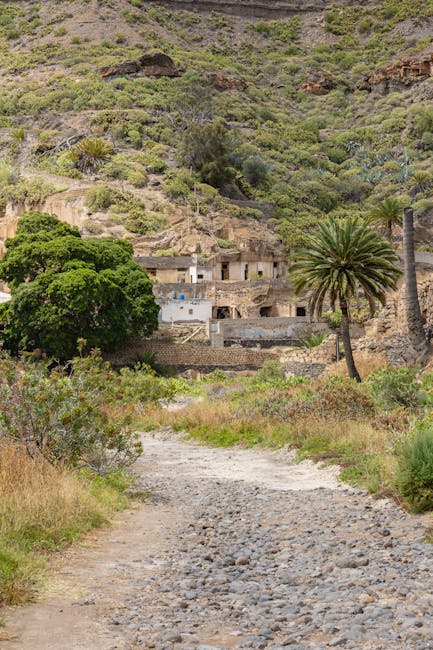
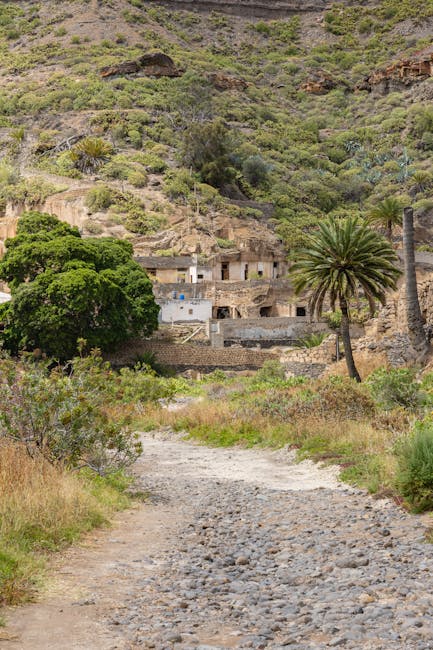
Artenara is the highest village on the island (around 1,270 m) and an excellent base for exploring karst landscapes and traditional troglodyte dwellings. Many cave homes are still lived in or converted into guest rooms. The atmosphere is peaceful, with wide views over the island’s western half. Trails around Artenara are often rocky and exposed, offering incredible vantage points over valleys and cliffs.
Practical Information — Artenara
- Town hall address (Ayuntamiento de Artenara) : Plaza de la Iglesia 1, 35318 Artenara, Las Palmas.
- Casa Cueva Artenara (Cave House Museum) : Cuevas del Pino, Camino de Artenara s/n, 35318 Artenara. Opening hours: 10:00–14:00 / 16:00–18:00 (Mon–Sat). Closed Sunday. Entry: €3–5 (reduced rates possible).
- Access : GC-210 from Tejeda / GC-21 via the scenic road. Intercity buses are limited; renting a car or taking a taxi from Tejeda (about €25–35) is easier.
Recommended hike: Mirador de Unamuno and the trail to Almogaren de Bentayga. Route: a 7–9 km loop, moderate difficulty, cumulative ascent 300–450 m, duration 3–4 hours. The path skirts spectacular rock formations and terraced fields, with stretches of volcanic rock polished by erosion. Trekking poles help on steep descents if you have knee issues.
Artenara’s local cuisine is worth seeking out: small family-run restaurants serve stews, fresh goat cheeses and dried fruits. Example: Restaurante La Era (Centro, Plaza del Pino s/n). Price guide: starters €4–6, main courses €9–15, desserts €3–5.
Local tips: respect private troglodyte homes — many are lived in. If you’d like to visit an inhabited cave house, contact the cultural center to arrange a guided visit (often €10–15 per group). Best times to visit Artenara are spring and autumn when temperatures are pleasant and mountain blooms color the fields.
Valleseco, Cruz de Tejeda and the Pine Forests — Cool Streams and Fresh Air
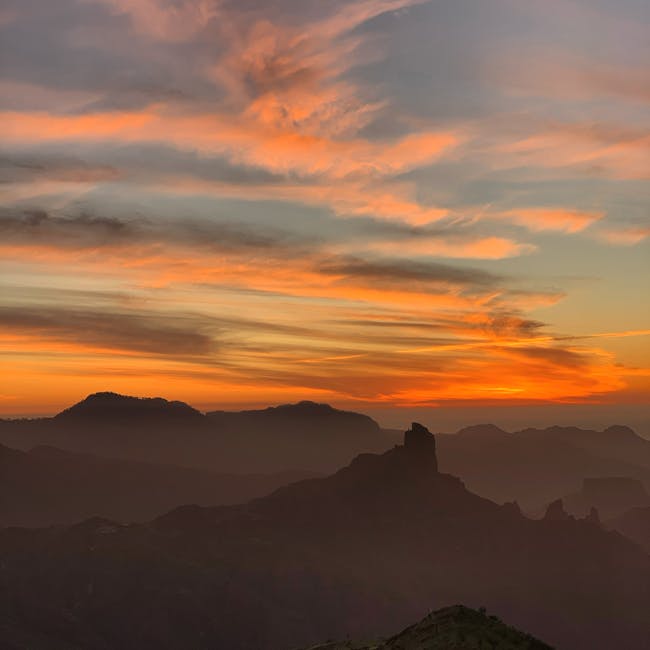
Valleseco (ironically “dry valley” in name) and the area around Cruz de Tejeda form one of the island’s green lungs. Canary pine forests (Pinus canariensis) cloak these slopes; humidity, barrancos and small streams create microclimates teeming with biodiversity. The region is ideal for shaded hikes, birdwatching and family walks.
Practical Information — Valleseco & Cruz de Tejeda
- Cruz de Tejeda Nature Center (Visitor Center) : Mirador de La Degollada, GC-150, 35330 Cruz de Tejeda. Opening hours: 09:00–17:00 (daily). Entry: free for basic info and exhibits; guided activities paid (around €20–40 depending on duration).
- Valleseco Town Hall (Ayuntamiento) : Plaza de San Juan, 35210 Valleseco, Las Palmas. Opening hours: 09:00–14:00 (Mon–Fri).
- Access : GC-60 and GC-607 from Las Palmas or GC-150 from the center. Regular bus (line 307/304 depending on season): fare €3–6.
Featured hike: Barranco de la Mina — a 6 km loop, moderate elevation change, 2–3 hour duration. The path follows a stream (unless in severe drought) and winds through tunnels of pine trees. The twisted trunks and exposed roots of Canary pines create an almost mystical setting. Another recommended route leaves Cruz de Tejeda toward Roque Nublo via secondary tracks for a less crowded experience.
The area offers pleasant rural accommodations (casas rurales) with breakfast included. Price guide: double room in a casa rural €50–90 per night depending on season. For a hearty stop, try the community-run restaurant “Cofradía del Pino” at Cruz de Tejeda: traditional plates €9–16.
Local tips: protect yourself from the sun even in the forest — higher altitude increases UV exposure. In winter bring warm layers; nighttime temps can dip below 5°C. Forest trails can be muddy after rain: waterproof shoes recommended. If you spot wildlife, keep a respectful distance — Canary tits and other endemic species are protected.
San Mateo, Teror and the Route of Crops — Orchards, Markets and Traditions
San Mateo and Teror form an agricultural corridor that showcases the island’s fruit and vegetable production: apple and peach trees, terraced orchards and market gardens. These villages are perfect for pairing a short hill walk with visits to local markets selling farm goods: goat cheeses, palm honey, artisan jams and local wines.
Practical Information — San Mateo & Teror
- San Mateo Market : Plaza de San Mateo, 35220 San Mateo. Opening hours: Sunday market 08:00–13:30. Products: fruit, vegetables, cheeses, plants. Free entry.
- Basilica Nuestra Señora del Pino (Teror) : Calle Real de la Plaza 1, 35210 Teror. Opening hours: 08:00–20:00 (daily). Free entry; guided tours possible via Teror tourist office (approx. €3–5).
- Access : GC-21 and GC-70; regular buses from Las Palmas (fare €2.50–4 depending on distance).
Recommended hike: the San Mateo–Teror orchard circuit — an 8–10 km loop crossing terraced fields and small pine groves, ideal in spring when blossoms and harvests are underway. Duration: 3–4 hours, easy to moderate difficulty. Bring a hat and water for exposed sections.
On Sundays San Mateo’s market draws producers from across the region: expect to pay €2–4 for fruit bags, €4–8 for a 250 g jar of local honey, and €3–6 for portions of artisanal cheese. In Teror, besides the basilica, stroll Calle Real to admire traditional wooden facades. For a typical lunch try the local specialty “potaje de berros” (watercress stew) or mountain tapas: average menu price €12–18.
Local tips: visit markets early for the best selection and bring reusable bags. If driving, use municipal parking (often free on weekends) and avoid narrow lanes during market hours. Locals take pride in their produce — strike up a conversation and you’ll often get farm visit recommendations.

Off-the-Beaten-Path Trails and Practical Safety Tips
Beyond the classics (Roque Nublo, Pico de las Nieves), many lesser-known routes deserve attention: the Caldera de los Marteles (a long, wild crossing), the ridgelines around Lomo de las Pipas and the PR GC-5 which links several interior villages. These paths sometimes demand greater self-sufficiency: limited resupply, variable waymarking and no mobile coverage in some barrancos.
Logistics, Costs and Gear
- Hike costs : most natural trails are free. Guided tours range €20–60 per person depending on length (half-day/full-day) and group size. Taxi or private transfers can cost €30–80 from tourist areas.
- Recommended gear : sturdy hiking boots (€100–150 depending on model), windproof jacket, hat, sunglasses, sunscreen, 1.5–3 liters of water, basic first-aid kit, map or GPS (offline app). Trekking poles optional but useful on steep elevation.
- Safety : always tell someone your route, check the weather (mountain weather changes fast), and avoid solo outings on technical terrain. Emergency numbers: Guardia Civil 062, Emergencias 112.
Transport tips: if you don’t have a car, combine Global buses and local taxis to reach trailheads. Bus fares vary with distance; budget €2.50–8 per trip. Car rentals typically cost €25–50 per day excluding insurance and fuel. Some interior roads are narrow and winding — drive carefully.
Respect for the environment: stay on marked trails, pack out your trash, don’t light fires outside authorized areas and respect local flora and fauna. Buying local products (honey, cheese, crafts) helps fragile village economies. Prefer locally run refuges and casas rurales for a more authentic, sustainable stay.
Conclusion — Suggested Itinerary and Final Tips
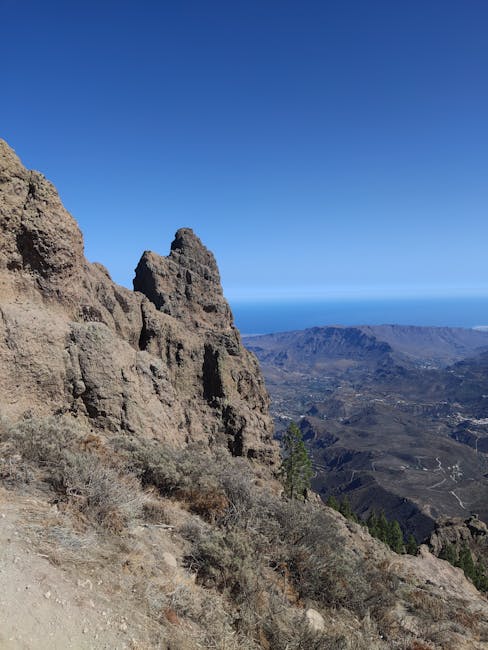
Exploring Gran Canaria’s interior delivers geological wonder, village authenticity and physical effort rewarded by unforgettable views. For a first hiking-focused visit, try a 3–5 day loop: base yourself in Tejeda (2 nights) for Roque Nublo and Cruz de Tejeda, spend a night in Artenara to experience cave houses and hike toward Bentayga, and stop in Valleseco or San Mateo for markets, forests and relaxation. This route balances intense outings with cultural and culinary discoveries.
Remember: most natural sites are free, but services (guides, museums, restaurants) vary in price — budget €60–120 per person for a few guided half-days, plus €50–100 per night for rural accommodation depending on comfort and season. Renting a car gives the most flexibility; the bus network covers main routes but may be limited for isolated hamlets.
Final tips: plan hikes early for light and cool temperatures, always carry more water than you think you’ll need, protect yourself from sun exposure and pack a small emergency kit. Respect local communities: ask before photographing private property, buy local goods and avoid loud behavior in villages. Keep a paper map as a backup if your GPS loses signal.
The interior villages will reward you with warm encounters, exceptional products and the feeling of arriving at the heart of a secret island — a different Gran Canaria, true to its volcanic roots and human heritage. Happy hiking, and may every ridge and village square beckon you back.