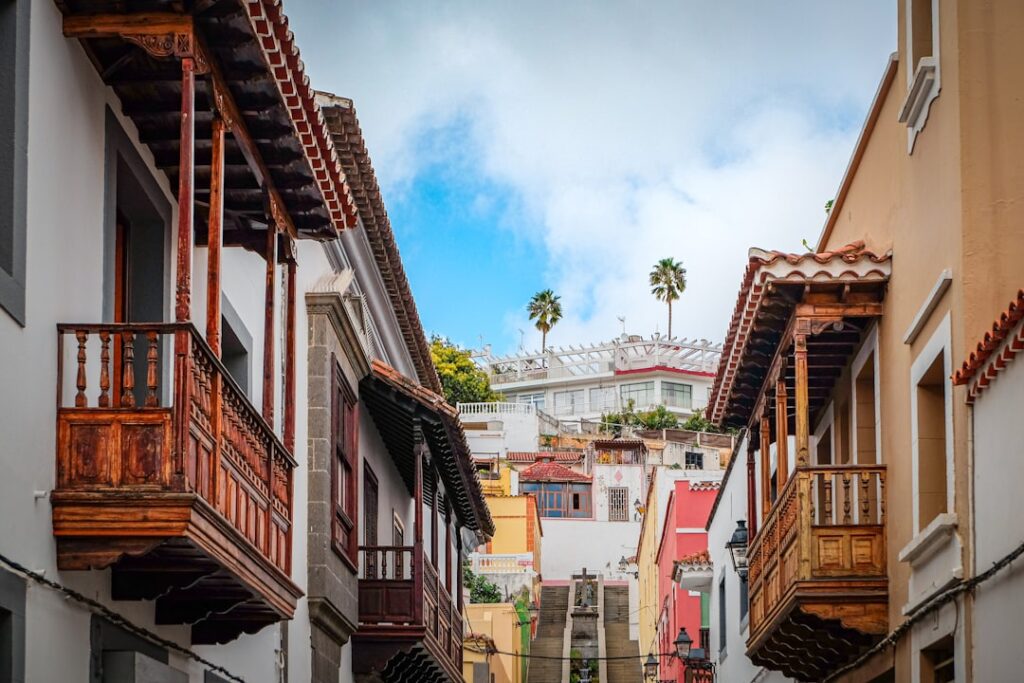






Introduction: Gran Canaria’s rural soul — stone, wood and living traditions
Gran Canaria isn’t just an island of beaches and dunes; its heart also beats in the perched mountain villages, farming hamlets and caseríos where vernacular architecture and folk traditions have endured for centuries. In the island’s interior you’ll find a tapestry of built spaces — stone houses, tiled roofs, finely carved wooden balconies, little squares with fountains and baroque churches — that tell stories of daily life, weather resilience and community rituals. This guide offers a detailed, practical dive into the architecture and customs of Gran Canaria’s rural villages, with precise addresses, typical opening hours and indicative prices so you can plan visits responsibly and with good info.
We’ll visit several representative villages — Teror, Tejeda, Artenara, Agüimes, Gáldar, Firgas and Agaete — explaining architectural features (materials, housing types, decorative elements), social uses (squares, markets, patronal festivals) and traditional practices still visible today (crafts, local gastronomy, mountain farming trades). You’ll find practical tips: walking routes, best times of day for photography, how to approach residents politely, and suggestions for places to taste local products or see exhibitions.
This overview also includes contemporary realities: how heritage conservation fits with tourism, which villages have museums or interpretation centers and how to take part sustainably (rural accommodation, buying from local artisans). The addresses and times given are designed to make a one-day itinerary or a longer stay easy to plan. Finally, local pointers will help you spot architectural details — stone frames, painted shutters, interior courtyards — and understand the communal meaning of religious and secular festivals that animate these places across the seasons.
Whether you’re a vernacular architecture enthusiast, a photographer hunting authentic scenes, a curious hiker or a traveler looking to escape the beach crowds, these villages offer a rich repertoire of forms, sounds and flavors. Lace up your walking shoes, bring a notebook and your curiosity: rural Gran Canaria unfolds in layers — geological, historical and human — and each one is worth exploring slowly and respectfully.
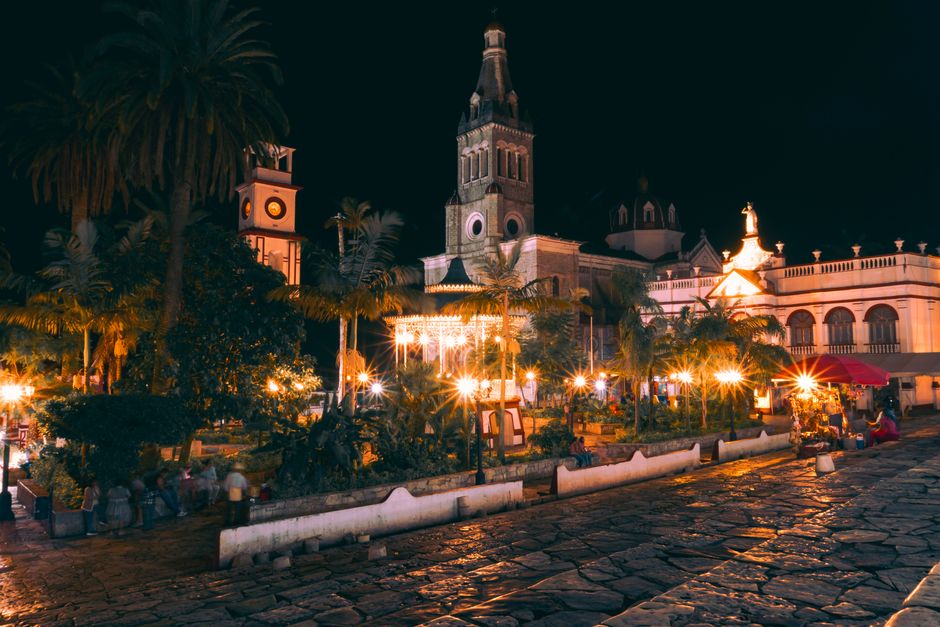
Teror: religious center, wooden arcades and restored Canarian houses
Teror is often the gateway to Gran Canaria’s interior and is a standout showcase of traditional island architecture. The village center revolves around the Basílica de Nuestra Señora del Pino (Plaza del Pino, 1, 35260 Teror, Las Palmas), an 18th‑century church dedicated to the Virgin of the Pine, the island’s patron saint. The basilica is free to enter; typical opening hours: Daily 08:00–20:00 (hours may change for special services). The architectural show continues into the surrounding streets where Canarian houses display painted wooden balconies, carved lintels and frequently limewashed façades.
Stroll along Calle Real (the main pedestrian axis) to admire the arcades, wooden galleries and the common reuse of volcanic stone for door and window surrounds. Teror is also known for its small squares that host markets and fairs: the Sunday market (Mercadillo de Teror) typically takes place on Sunday mornings — around Plaza de Nuestra Señora del Pino — offering artisan cheeses, local honey, gofio, hive products and woven goods. Expect reasonable prices: artisanal goat cheese €6–8/kg, 500 g jar of local honey €5–9 depending on variety.
To dig into local history, visit the Museo de las Tradiciones y Costumbres (near Plaza del Pino; check the Teror Tourist Office for exact address and current hours), usually open Tuesday to Sunday 10:00–17:00, with an entry fee around €3–5. Local craftsmen — cabinetmakers, blacksmiths and potters — sometimes run workshops by appointment in studios along Calle Real. Local tip: arrive early to catch the soft morning light on the wooden balconies and to avoid tourist buses that start arriving after 11:00 in high season.
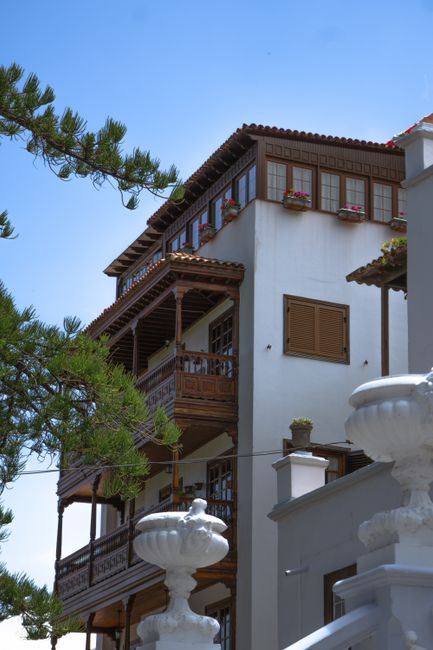
Tejeda and Artenara: highland houses, rock outcrops and wind-adapted design
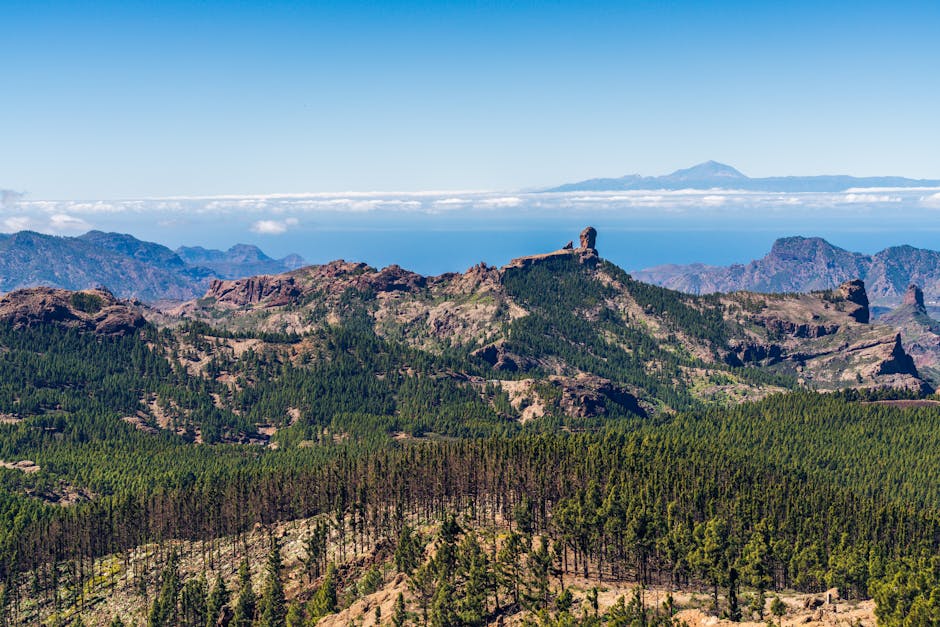
In Gran Canaria’s mountain heart, Tejeda and Artenara show two local answers to climatic and topographic constraints. Tejeda (municipio de Tejeda, 35330) is dominated by Roque Nublo and the Cruz de Tejeda — emblematic landmarks that serve as orientation points and social hubs. The Cruz de Tejeda square (Avenida de La Constitución, at the crossroads) is a common starting point for hikes and offers spectacular views at sunrise and sunset. Roque Nublo (Roque Nublo, 35330 Tejeda) is a protected volcanic formation; access is free but bring water and sturdy shoes: the trail is a 1–2 hour round trip from the Mirador de La Goleta parking area. The villages feature small stone houses with thick walls to insulate against cool nights, typically topped with tiled roofs and small interior patios for storing wood and harvests.
Artenara (Ayuntamiento de Artenara, Plaza de la Constitución, 1, 35329 Artenara) is the island’s highest village and offers distinct housing types: cave dwellings and stone houses with limewashed façades. The Artenara Visitor Center (same square) provides information on hiking routes and points of interest; usual hours are 09:00–17:00, closed on some holidays, free entry. Artenara is renowned for its small chapels and viewpoints (miradores de Artenara, Calle Tagoror), where you can see terraces carved into the slopes.
Architecturally, both Tejeda and Artenara make extensive use of local volcanic stone (roque) for cornerstones, thresholds and steps, while wood is used for door frames and balustrades. Roofs are shaped to shed rain and resist wind. On the traditions side, don’t miss local romerías — rural processions that mix livestock, music and food — held during certain patronal festivals in summer and autumn. In these villages you should taste almogrote (a cheese-based spread made with goat cheese, peppers and oil), often served as a tapa: a typical portion costs €3–6.
Agüimes and Gáldar: popular heritage, churches and rock art
On the eastern and northwestern edges of the island, Agüimes and Gáldar give different but complementary vibes. Agüimes (Plaza de San Sebastián, 35250 Agüimes) preserves an old town layout with restored façades, neo‑Canarian ornaments and an imposing church, the Iglesia de San Sebastián (Plaza de San Sebastián). Agüimes’ core also hosts artisan workshops that keep woodworking and ironwork traditions alive. Cafés and small bars around the square serve homemade tapas; a typical local dish is potaje de trigo (a wheat stew), priced around €6–9 per portion.
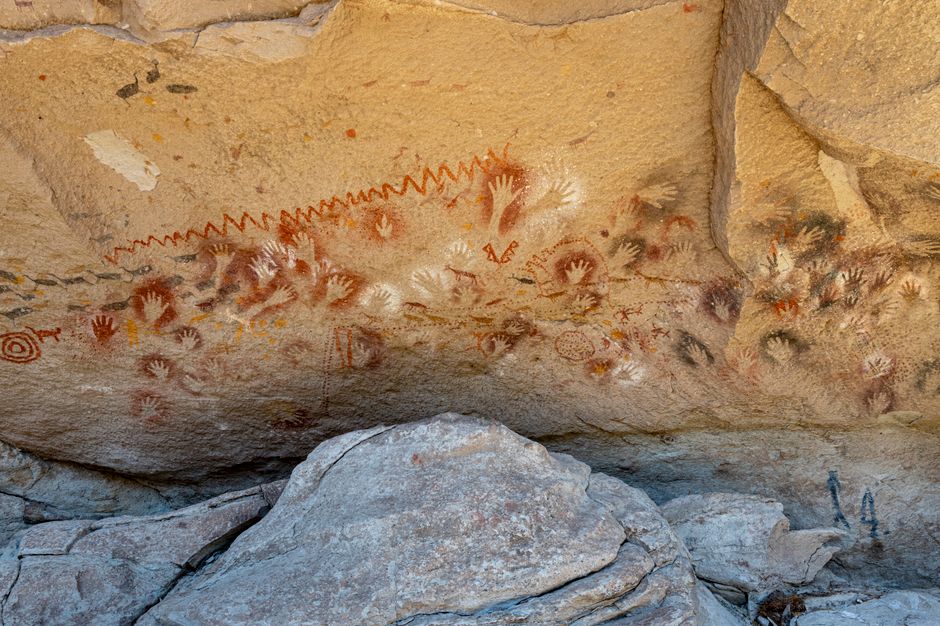
Gáldar is a must for understanding the island’s prehistory and cultural continuity. The Museo y Parque Arqueológico Cueva Pintada (Calle Capitán Quesada, 15, 35460 Gáldar) houses pre‑Hispanic painted cave art and a high-quality museum route. Usual hours: Tuesday to Sunday 09:00–17:00; closed Mondays. Entry fee: €4.50 per person (reduced €2.25 for school groups and seniors; free for under 6s). The visit is immersive: you move among remains, reconstructions and interactive displays that explain the life of the island’s ancient inhabitants.
Architecturally, Gáldar also features a major church, the Real y Antigua Iglesia de Santiago (Calle León y Castillo), and an urban fabric of narrow lanes and whitewashed houses accented with ashlar stone. Local markets (mercados municipales) sell fish, meat, market vegetables and traditional pastries — expect to spend €10–15 for a full local lunch in a town bar. Practical tip: book your Cueva Pintada visit early in the morning to avoid school groups and enjoy softer light for photographing the historic streets.
Firgas and Agaete: water promenades, colorful façades and seaside trades
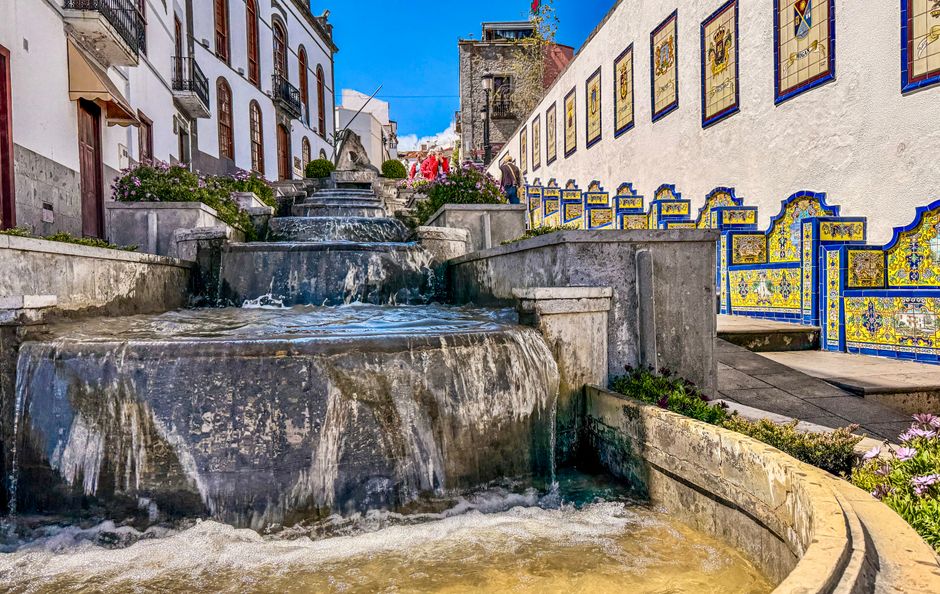
Firgas, on the northeast coast (Paseo de Gran Canaria, Centro, 35310 Firgas), is famous for its paseo decorated with canals and small ornamental waterfalls; the ensemble stages water as both a symbolic and functional element. Calle Real and the Paseo de Gran Canaria feature molding details and mosaic frescoes that recall the village’s water history. Public spaces are open at all times; the paseo is walkable and suitable for all ages. Stop to try the famed galleta de limón (local lemon biscuit) at an artisan bakery: an individual pastry costs about €1.20–2.50.
Agaete, on the west coast (Puerto de Las Nieves, Calle Los Pescadores, 35480 Agaete), contrasts the mountain settlements with maritime life. The port of Las Nieves is lively, with houses intermingling with boats and seafood restaurants. For a cultural experience, wander to the Huerto de las Flores (Barrio de La Concepción, Agaete) and explore the agricultural terraces that grow coffee, tropical fruits and endemic plants. Boat trips to see the coastline depart from Puerto de Las Nieves; indicative prices for a 2–3 hour boat trip are €25–40 per person depending on season and operator. Waterfront bars serve vieja frita (fried local fish) from around €12 per portion.
Architecturally, Agaete features houses with glazed galleries (azoteas and miradores), small courtyards and colorful façades, reflecting maritime exchange influences. Both villages show a mixed economy — agriculture, small trade and fishing — and water‑based traditions: maritime festivals in Agaete and water ceremonies in Firgas. Local tip: for the freshest fish, choose restaurants that display the day’s catch; aim for lunch between 13:00 and 14:30 to find the widest selection.
Practical tips, places to stay and respecting local traditions
Exploring Gran Canaria’s rural villages takes a bit of preparation if you want to make the most of your visit while respecting local communities. Here are practical recommendations:
- Transport: Renting a car makes reaching mountain villages far easier. Roads are often narrow and winding; choose a compact car and check the weather in winter (fog and wind are possible). Rental locations: agencies in Las Palmas and at the airport (LPA).
- Opening hours: Many tourist offices and small museums close between 14:00 and 16:00. Plan visits for the morning and early afternoon.
- Rural accommodation: Look for casas rurales (rural guesthouses) in Tejeda, Artenara and Teror. Typical prices: €60–120/night depending on season and comfort. Rural hosts often support local producers and serve breakfasts with honey, cheese and homemade jams.
- Shopping and crafts: Buy directly from artisans (cabinetmakers, potters, weavers). Prices vary: small ceramic piece €10–25, worked wooden object €30–150 depending on complexity.
- Respecting traditions: During patronal fiestas always ask permission before photographing people. If you’re invited to share a meal, accept at least symbolically — it’s a sign of respect.
- Safety and health: Bring water, sunscreen and closed walking shoes for stone paths.
Finally, prioritize visits outside peak tourist hours (very early morning or late afternoon) to appreciate the architecture and atmosphere without the crowds. Locals are generally welcoming: a simple Spanish phrase (« Buenos días », « ¿Me puede ayudar? ») often opens conversations and earns useful local tips.
Conclusion: A living heritage to discover slowly, between conservation and daily life
Gran Canaria’s rural villages form a living heritage where vernacular architecture and popular traditions continue to be passed down. Teror, Tejeda, Artenara, Agüimes, Gáldar, Firgas and Agaete offer diverse models of adaptation to terrain and climate — from the colorful wooden balconies of historic centers to the stone houses and cave dwellings of the highlands. Visiting these places goes beyond a museum approach: it’s about observing gestures, markets, religious festivals and the everyday relationship between residents and the built environment.
For the attentive traveler, each village teaches something: how local materials are used (volcanic stone, wood), solutions to weather challenges (thick façades, enclosed patios), and the rituals that structure the agricultural and religious year. Heritage is not static — it’s restored, transformed and reinterpreted — and your visit can contribute positively if done with respect: favor local businesses, respect ceremony schedules and always ask before photographing people.
Plan your stops to combine museums (for example Museo y Parque Arqueológico Cueva Pintada in Gáldar, Calle Capitán Quesada, 15, 35460 Gáldar; Tue–Sun 09:00–17:00; entry €4.50), churches and panoramic walks (Roque Nublo, Tejeda), markets and craft workshops (Mercadillo de Teror, Plaza del Pino, Sunday morning). Bear in mind that prices quoted here are indicative and may change: check local tourist offices for up-to-date times and fees on the day of your visit. Above all, give yourself time to get lost down a lane, sit on a stone bench in the shade of a church and listen to the conversations — often that’s where the essence of Gran Canaria’s rural villages reveals itself: a blend of architectural sturdiness and human warmth you won’t forget easily.