





Introduction: Why is Gran Canaria perfect for guided tours or independent travel?
Gran Canaria, one of the main islands in the Canary archipelago, combines dramatic scenery — desert dunes, volcanic mountains, laurel forests, and turquoise‑washed coasts — with a rich culinary and cultural scene. Located about 210 km off the northwest coast of Africa, the island boasts a surprising variety of microclimates and experiences within easy reach. If you’re wondering whether to pick a guided excursion or plan a Do‑It‑Yourself (DIY) itinerary, the answer depends on your travel style, budget, priorities and how much time you have.
This practical guide is designed to help you weigh the pros and cons of each approach by offering concrete itinerary examples, precise places to visit, opening hours and typical prices. We’ll cover highlights such as the Maspalomas Dunes, the iconic Roque Nublo, mountain villages like Tejeda and Teror, the capital Las Palmas de Gran Canaria (especially the historic Vegueta quarter) and valleys such as the Barranco de Guayadeque. You’ll also find useful info on car hire, half‑ or full‑day guided tours, public transport, and local tips to make the most of your visit according to the season.
Choosing a guided tour has obvious benefits: you save time, access insider knowledge, skip the logistics (transport, sometimes meals), get support for technical hikes, and improve safety. Conversely, DIY brings total freedom, schedule flexibility, a more personal immersion and often lower cost if you’re self‑sufficient. To make the comparison tangible, we include price estimates in euros, full addresses and typical opening times for main sites and services. Whether you prefer planned adventures or spontaneous exploration, Gran Canaria caters to every travel style.
We’ll also include visual markers to inspire your route: golden dunes at sunset, mountain trails, whitewashed villages, picturesque harbors and cave houses in the Barranco de Guayadeque. These visual cues will help you picture the highlights and decide whether a guided tour’s convenience or a DIY itinerary’s freedom suits you best.
1) Which outings to choose and why: must‑see sites explained (Guided vs DIY)
Gran Canaria packs a wide range of experiences into a relatively small area. In this section we detail the must‑see places, their exact locations, typical opening hours and approximate prices, then compare the benefits of a guided visit versus exploring on your own for each spot.
Roque Nublo — iconic hike
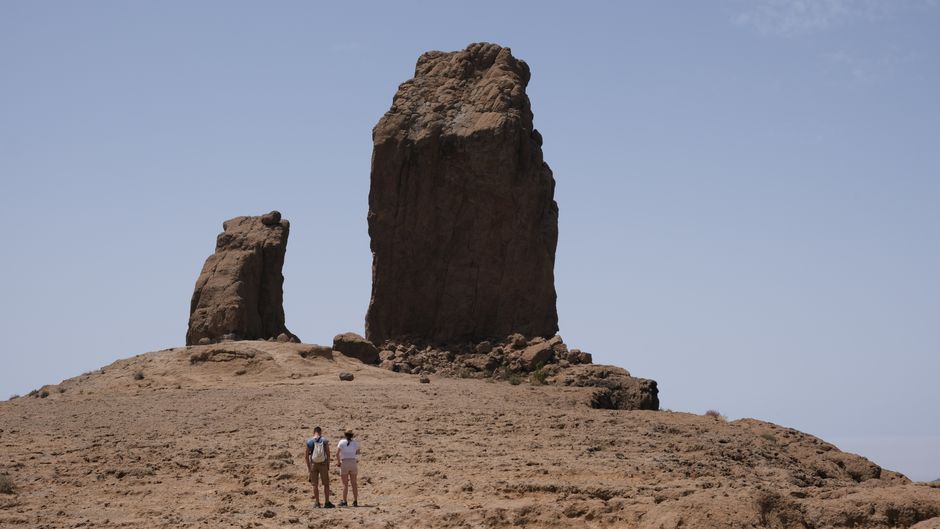
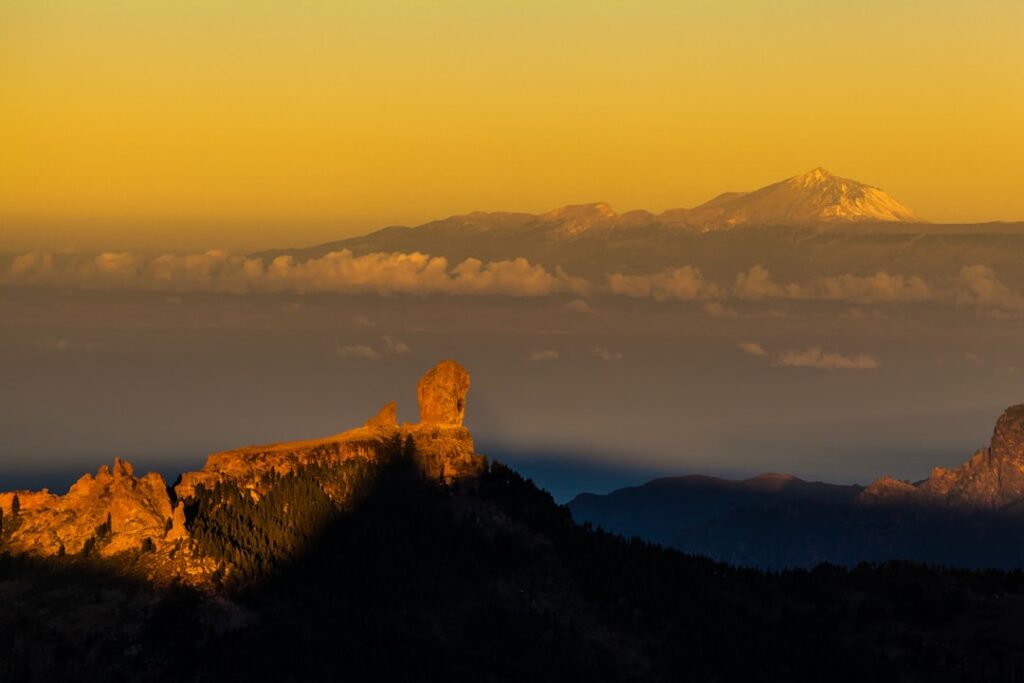
Roque Nublo is one of Gran Canaria’s most iconic landmarks. Location: Roque Nublo, GC‑600, 35360 Tejeda, Las Palmas. Access: from the parking lot at the Parque Rural de Nublo Visitor Centre (approx. coordinates: GC‑600, Montaña de Tejeda). Opening hours: the natural site is accessible 24/7; the Interpretation Centre (when open) usually runs 09:00–17:00 (seasonal). Price: site access is free; parking is generally free in public lots. The most popular hike takes between 45 minutes and 1½ hours round‑trip from the main car park (around 4 km round‑trip, moderate elevation gain). The trail offers volcanic panoramas, the towering silhouette of Roque Nublo and, in clear weather, views as far as Tenerife and Teide.
Why go with a guide? A local guide will explain the geology (volcanic origins), endemic flora (euphorbias, Canary pines depending on altitude) and aboriginal history (the Guanches). Guides also know the best photo spots at sunrise and sunset and will pace the hike to your level. Why DIY? Reaching Roque Nublo independently is inexpensive and lets you set off when you want, avoiding group timetables.
Maspalomas Dunes — desert landscape and beach
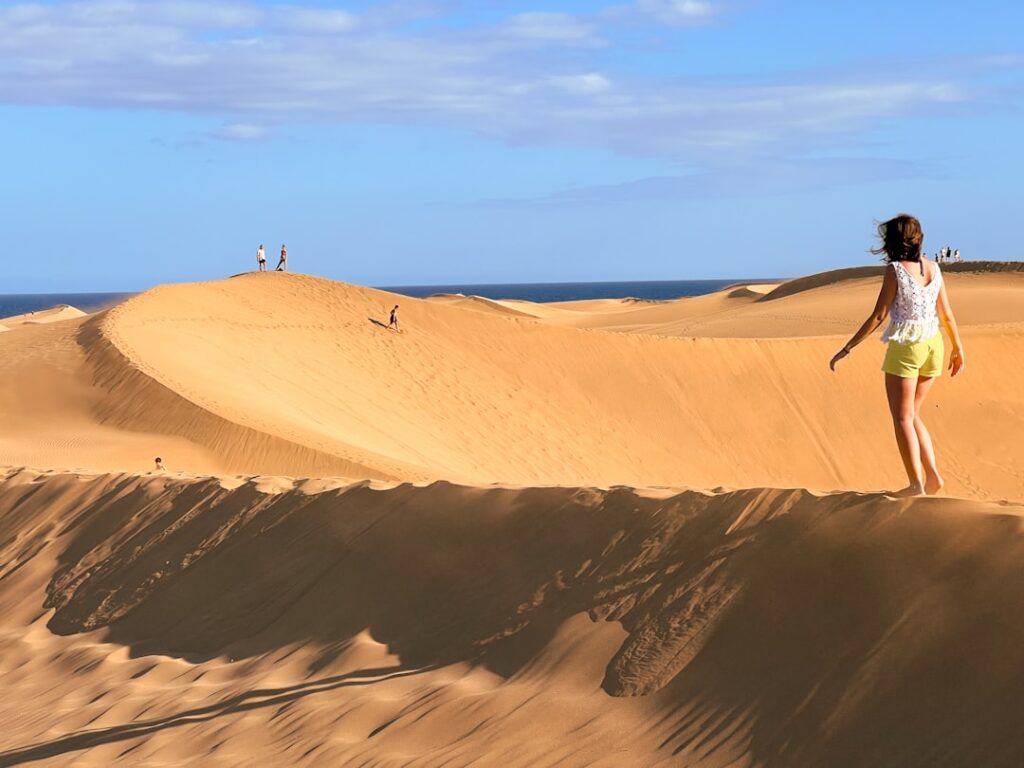
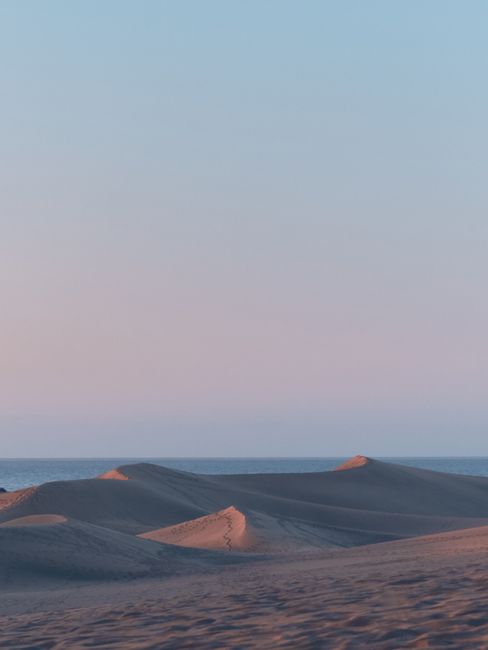
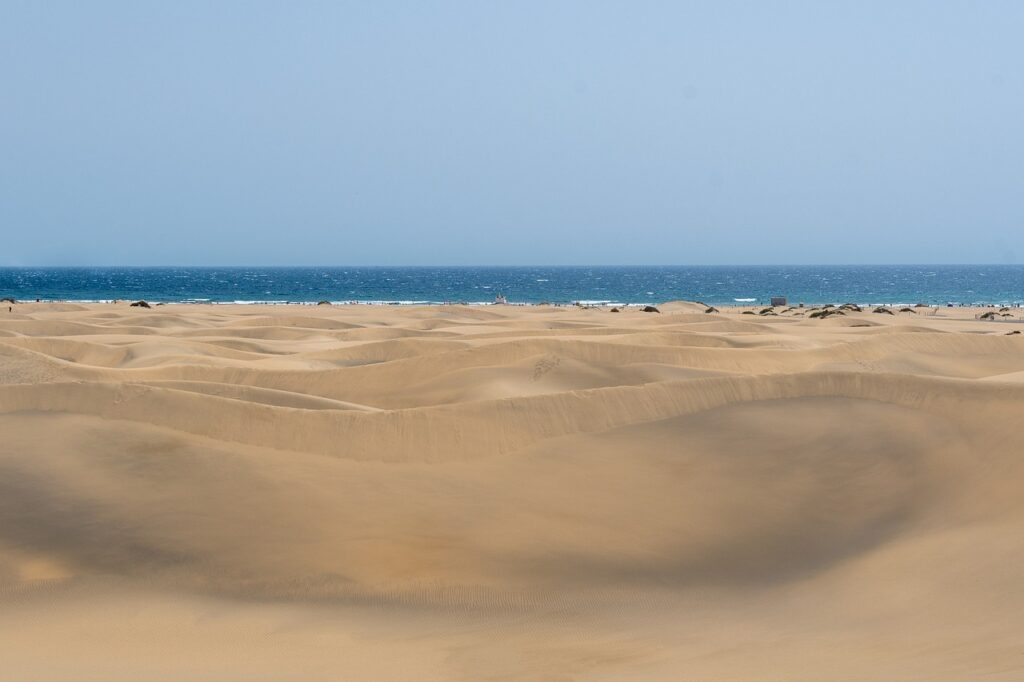
Address: Dunas de Maspalomas, Avenida de Estados Unidos, 35100 San Bartolomé de Tirajana, Las Palmas. Opening hours: the protected natural area is open 24/7; the Dunes Interpretation Centre (when operating) usually opens 10:00–18:00. Price: access to the dunes is free; guided walks or 4×4 tours range between €20 and €50 per person depending on format (2–3 hours for a guided walk, 3–4 hours for a 4×4 tour that includes sunset and a guide). The dunes are a fragile ecosystem — follow paths and posted rules.
Why go with a guide? Guided tours (on foot or by 4×4) explain the fauna and flora of this arid environment, discuss tourism’s impact and take you to prime sunset viewpoints. Why DIY? A self‑paced itinerary lets you combine beach time and leisurely strolls, and explore the seaside promenade (Paseo Costa Canaria) down to Maspalomas beach and the lighthouse.
Las Palmas de Gran Canaria (Vegueta) — historic city and museums
Vegueta district address: Calle Triana / Calle Mayor de Triana, 35001 Las Palmas de Gran Canaria. Key sites: Casa de Colón (Casa de Colón, Calle Colón 1, 35001 Las Palmas de Gran Canaria) — hours: 09:00–18:00 (seasonal), Price: €4–€6; Elder Museum of Science and Technology (Parque Doramas, Calle de la Ronda, 35010) — hours: 10:00–18:00, Price: €3–€5. Vegueta is the historic heart with cobbled streets, the Cathedral of Santa Ana (Plaza de Santa Ana, 35001) and traditional cafés.
Why go with a guide? A historical guide will tell you about Las Palmas’ role on the spice and trade routes, maritime anecdotes, and lead you to authentic local eateries. Why DIY? Self‑guided walking tours with maps or smartphone apps are easy and let you stop for tapas at your own pace.
Puerto de Mogán — « Little Venice » and the market
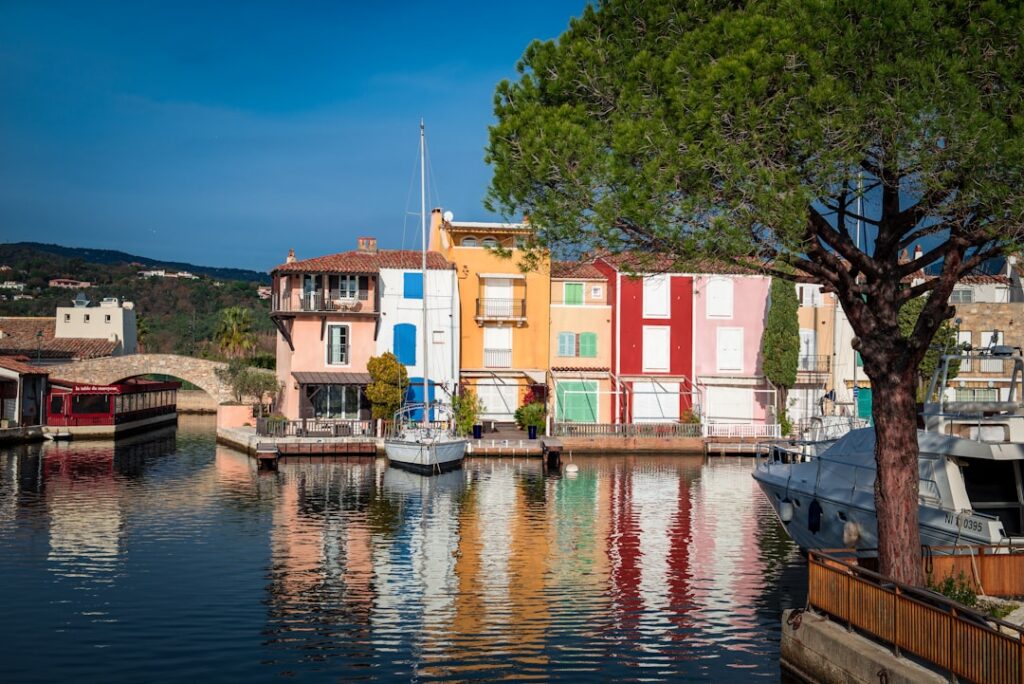
Address: Puerto de Mogán, 35138 Mogán, Las Palmas. Market: weekly market on Friday mornings (typically 09:00–14:00). Access: the harbor and marina are open all day. Price: strolling is free; boat trips (dolphin‑watching) cost roughly €25–€45 per person (2–3 hours). Puerto de Mogán charms with its canals, bridges and flower‑adorned houses.
Why go with a guide? Boat excursions often include a naturalist guide for cetacean watching. Why DIY? The village is perfect for wandering, sampling fresh fish in waterfront restaurants and relaxing on Mogán beach.
2) Practical planning: transport, accommodation and budget (Guided vs DIY)
Logistics are a major factor when choosing guided or DIY. Gran Canaria has solid tourist infrastructure, but its mountainous topography can mean long travel times between sites. This section outlines transport options, accommodation types and indicative budgets.
Car hire and public transport
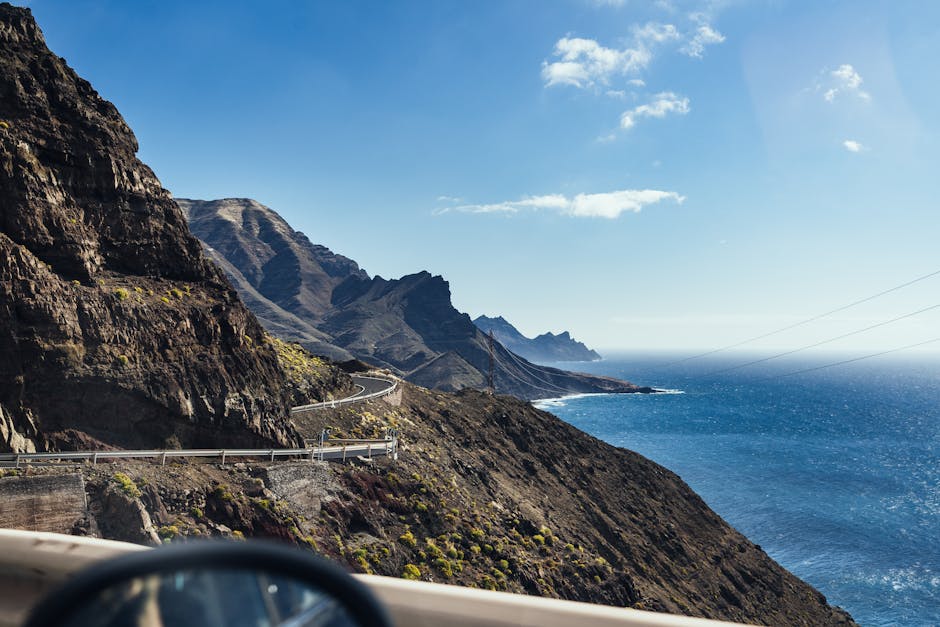
Car hire: the most flexible option for a DIY route. Main agencies: Cicar Rent a Car (Gran Canaria Airport, Carretera del Aeropuerto, S/N, 35017 Telde, Las Palmas — hours: 07:00–23:00, prices from €20–€35/day depending on season and category), AutoReisen, Hertz, Europcar. Tip: check for fully comprehensive insurance and the fuel policy. Key roads: GC‑1 (south coast), GC‑2 (north coast), GC‑600 (mountain route to Tejeda).
Public transport: the « Global » bus network (Empresa Global) links Las Palmas, Maspalomas, Puerto de Mogán and other towns. Example: Line 66/90 (Las Palmas–Maspalomas) — travel time around 45–60 minutes, price €5–€8 depending on distance. Hours: roughly 05:30–23:00 depending on line; less frequent in the evening. Advantage: economical; downside: routes are less direct and journeys can take longer.
Accommodation and meal plans
Options: beach hotels (Maspalomas, Playa del Inglés), rural apartments (Tejeda, Artenara), city breaks in Las Palmas, paradores and guesthouses. Example: Hotel Riu Gran Canaria, Avenida de Touroperador Tui, 6, 35100 Maspalomas — rates €80–€220/night depending on season. For a DIY stay, an Airbnb or rural cottage can cost €45–€120/night. Guided tours sometimes include hotel transfers (check whether your hotel partners with local operators).
Indicative budget: a full‑day guided excursion (transport, guide, lunch included) costs around €45–€90/person; a half‑day excursion costs €25–€50. DIY: car hire €30–€60/day + fuel €10–€25/day + museum entry fees €3–€6 per site.
Safety, insurance and practical tips
Travel insurance: recommended, especially if you plan independent mountain hikes (medical evacuation or repatriation cover). Weather in the mountains can change quickly; carry water (minimum 1.5 L per person for a 2–3 hour hike), a windbreaker, offline maps and sturdy footwear. Mobile coverage is good on the coast but can be limited in canyons (Barranco) and along ridgelines.
Local tips: avoid parking in unauthorized areas near the dunes and follow local regulations (dune protection is strict). For specialized guided activities (birdwatching, botany, mountain bike tours), book at least 24–48 hours in advance in high season.
3) Specialized experiences: hiking, sea trips, food and culture (Guided vs DIY)
Gran Canaria offers specialized experiences that often determine whether a guided tour makes more sense than DIY: technical hikes, sea trips to watch dolphins and whales, immersive food experiences and cultural workshops. Below we describe these options with typical addresses and price ranges.
Hiking and mountains — Pico de las Nieves, Caldera de los Marteles
Pico de las Nieves (the highest altitude reachable by car): routes GC‑60 / GC‑600 depending on access point; coordinates: Pico de las Nieves, 35360 Tejeda. Hours: road access 24/7; parking available. Price: free. Nearby walks: Mirador del Pico de las Nieves (short trek with spectacular views). For more demanding routes (Caldera de los Marteles, Tamadaba), a guide is often recommended because trails can be poorly marked.
Guided hikes: full‑day guided trek (transport, guide, picnic) €45–€70. Why go with a guide? Safety off‑trail, plant and bird identification, geological storytelling. Why DIY? If you’re experienced and well equipped, you can tackle marked routes at your own pace.
Sea trips — whale and dolphin watching from Puerto Rico / Puerto de Mogán
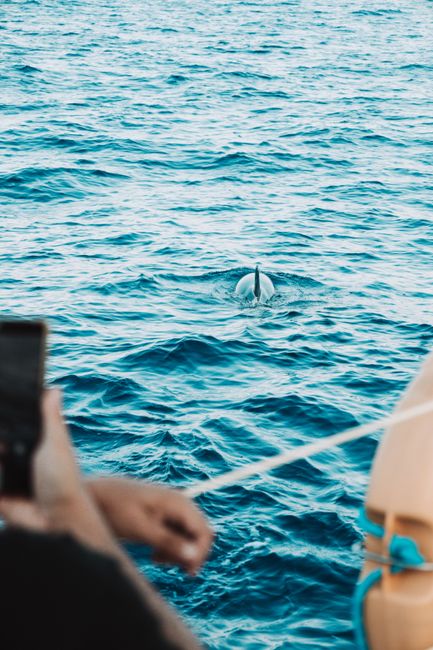
Departure points: Puerto Rico Marina (Puerto Rico, 35130 Mogán) and Puerto de Mogán. Trips: dolphin‑watching tours, snorkeling and freediving trips. Duration: 2–4 hours. Prices: €25–€50 per person depending on activity (dolphin tours, glass‑bottom boat, catamaran). Typical departure times: mornings around 09:00–10:30 and afternoons around 15:00–17:00. Example operator: Mogan Charter, Avenida de las Playas, Puerto de Mogán, 35138 Mogán (hours vary). There are also dive centres in Las Palmas (Playa de las Canteras).
Why go with a guide? Operators know where marine mammals congregate and run wildlife‑friendly trips with proper equipment and safety briefings. Why DIY? If you’re an experienced diver, you can rent gear and dive with a local center.
Food and culture — markets, wineries and villages
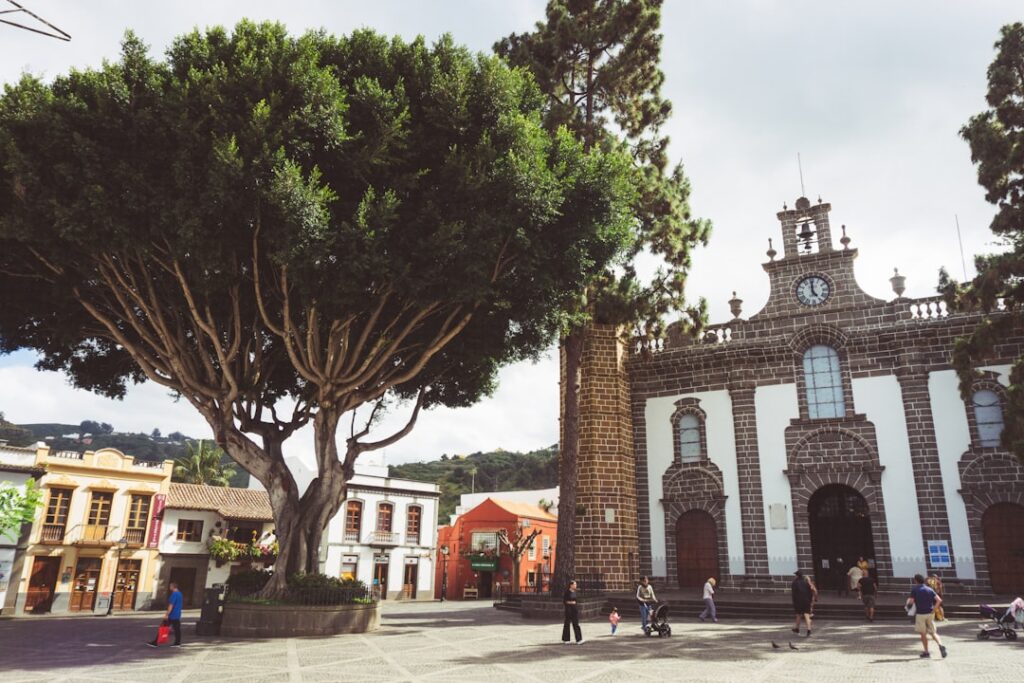
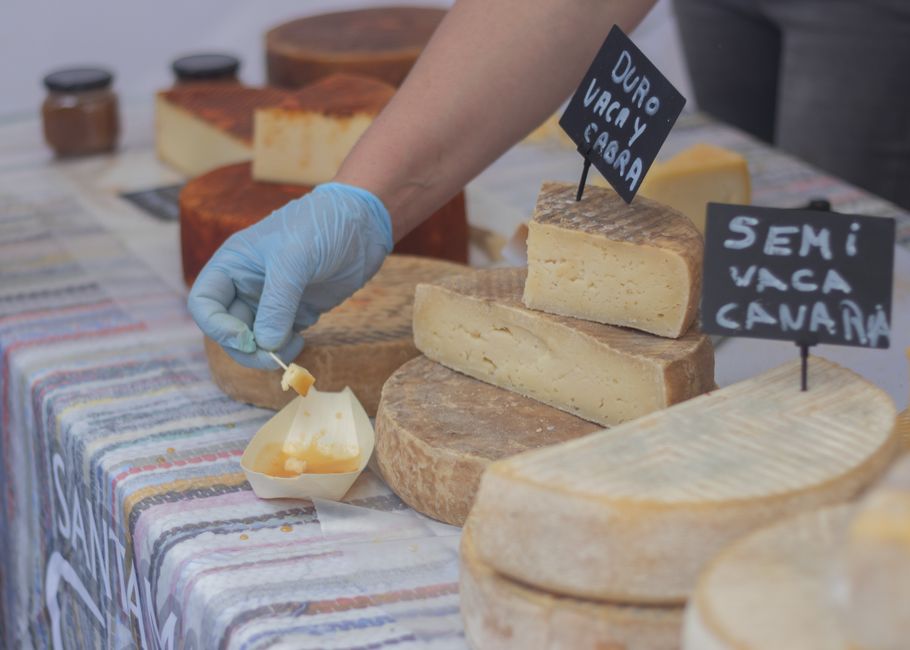
Teror market: Plaza de Teror, 35200 Teror — Sunday market (mornings, roughly 08:00–13:00), local products (cheeses, honey, pastries). Winery visit and tasting: Bodega Los Berrazales (Carretera GC‑21, km 15, 35320 Valsequillo) — tasting tours €10–€20 by reservation. Canarian cooking workshop: 3–4 hour classes (making papas arrugadas and mojo) cost €35–€70 per person.
Why go with a guide? To understand culinary traditions, meet producers and access private family cellars. Why DIY? For more flexibility: buy at markets and cook in accommodation with a kitchen.
4) What kind of guided tour should you choose and what does it really cost?
Guided excursions in Gran Canaria come in many formats: half‑day, full‑day, specialized tours (mountain biking, canyoning, desert 4×4), cultural visits and boat trips. Below is a detailed breakdown of formats, sample itineraries and average euro prices to help you pick the right option for your needs.
Tour formats and sample itineraries
- Half‑day (3–4 hours): Guided tour of Las Palmas (Vegueta + Casa de Colón), stroll the historic center and a tapas stop. Price: €25–€40/person. Example: hotel pick‑up around 09:00, guided walk and return by 13:00.
- Full‑day (8–10 hours): « Island centre » circuit: Roque Nublo, Mirador de la Cruz de Tejeda, the village of Tejeda, local lunch. Price: €45–€85/person (depending on lunch inclusion and group size). Example: depart 08:30, return 17:30.
- 4×4 / off‑road excursions: South‑coast and dune crossings, viewpoints unreachable by standard buses. Price: €60–€120/person depending on duration and extras.
- Supervised sports activities: Canyoning, mountain biking, via ferrata, diving — prices €40–€100 depending on equipment and supervision.
- Sea trips: Dolphin watching, catamaran tours, sport fishing — prices €25–€70/person.
Practical tips: check the guide’s language (Spanish/English/French), group size (ideally max 8–15 people), and what’s included (meals, transfers). Small local operators (agritourism farms, mountain guides) often offer similar prices but a more personal experience.
Booking and guarantees
Booking: reserve online via the operator’s official site or through reputable platforms (GetYourGuide, Viator, local tourist offices). Cancellation policy: check whether full payment is required at booking and the free cancellation window (often 24–48 hours). For technical hikes or sea excursions, confirm the operator holds local licenses and liability insurance.
Included equipment: some tours provide water, snacks, sun protection and technical gear (helmets, harnesses); others do not. For full‑day mountain excursions, bring your own water, windproof jacket, hiking boots and a hat.
5) Local tips and recommendations to optimize your experience
To get the most out of Gran Canaria — whether you choose a guided tour or DIY — a few local tips will greatly improve comfort, safety and enjoyment. Here’s a detailed list of practical recommendations, useful addresses and responsible behaviors.
- Best time to visit: Gran Canaria enjoys mild weather year‑round, but the best seasons for hiking are spring and autumn (March–May, September–November): pleasant temperatures and fewer crowds. Summers can be very hot in the south (Maspalomas). Winters are mild at sea level but cooler at altitude (Pico de las Nieves).
- Timing your visits: aim for early morning departures at popular sites (Roque Nublo, Maspalomas Dunes) to avoid crowds and heat. Sunrise is spectacular at Roque Nublo; sunset is unmissable on the Maspalomas dunes.
- Useful addresses: Gran Canaria Tourist Office — Parque San Telmo, Calle Pérez Galdós 20, 35002 Las Palmas de Gran Canaria — hours: 09:00–18:00 (varies); emergencies and assistance: nearest health centre depending on location. For bus travel: Empresa Global, Estación de Guaguas, Avenida Alcalde Díaz, 35002 Las Palmas de Gran Canaria.
- Respect the environment: do not pick plants or walk off marked trails in protected areas (dunes, rural parks). Take your litter with you and prioritize eco‑responsible operators. Some areas, such as the Parque Rural de Nublo or marine reserves, have strict rules.
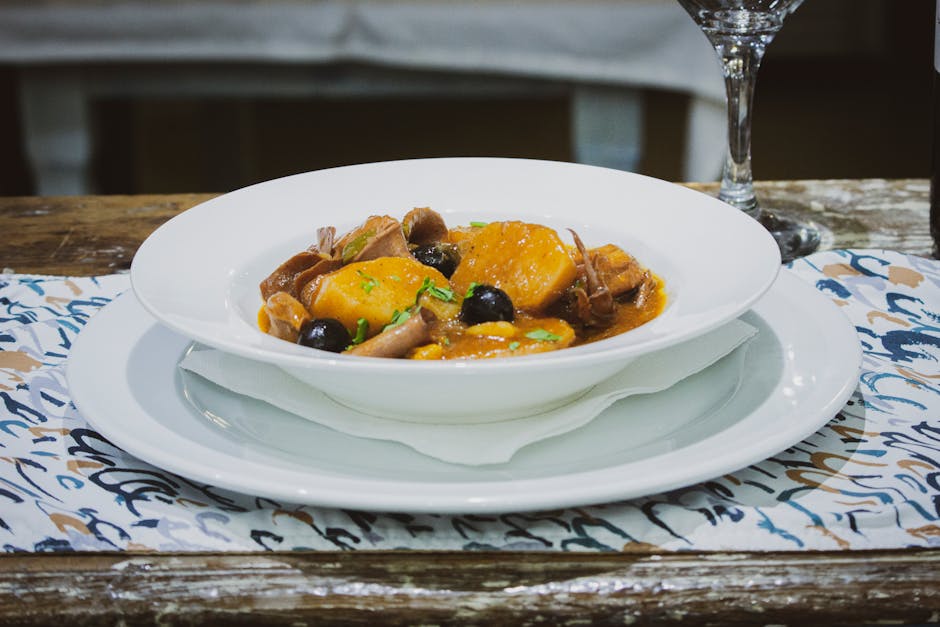
- Recommended small businesses and restaurants: Restaurante El Labrador (Calle Real, 1, 35360 Tejeda) — traditional Canarian cuisine, hours: 12:00–22:00, average main dish €12–€18. Restaurante La Aquarela (C/ Margó, 35130 Puerto Rico) for an upscale dining experience (reservation recommended).
In short: if you value tranquility, immersion and flexibility, favor DIY with a rental car and local accommodation; if you want to maximize your time, reach specific areas, learn from an expert and avoid logistics headaches, choose a guided tour. Either way, respect the island, its people and environment — Gran Canaria will reward you with unforgettable landscapes and moments.
Conclusion: Should you book a guided tour or go it alone?
The choice between a guided tour and DIY in Gran Canaria comes down to your traveler profile, priorities and available time. Guided tours are ideal for time‑pressed visitors, families, those wanting deep explanations and travelers looking for turnkey safety and logistics. They offer great value when transport, an expert guide, lunch and sometimes site entry are included. The typical cost for a full‑day guided tour ranges from €45 to €90 per person, while half‑day tours start at around €25.
By contrast, DIY appeals to independent travelers who want a personalized pace, to explore off the beaten path and to mix beach, mountain and village time as they wish. Typical DIY costs include car hire (€20–€60/day depending on season and model), fuel (€10–€25/day) and museum fees (€3–€6). For independent hiking, the main investment is preparation time: maps, route research and local weather awareness.
If you’re torn, a mixed approach often works best: plan a few key days with guided tours (for example, a day at Roque Nublo and a sea trip to watch dolphins) and spend the rest of your stay DIY to enjoy beaches, local markets (Teror on Sundays) and meals at your own pace. This way you get expert insights where they count and keep freedom and savings on other days.
Finally, whatever you choose, follow local rules — especially in protected zones like the Maspalomas Dunes and the Rural Parks — and prefer responsible, local operators to support the island’s economy. Gran Canaria is an exceptional island whose diverse landscapes let everyone design a tailor‑made trip: cultural, active, contemplative or culinary. Have a great trip and happy discoveries!