




Introduction — Understanding Scams in Gran Canaria: Separating Popular Myths from Practical Reality
Gran Canaria is an island of contrasts: golden sandy beaches, historic towns, fishing villages and rugged mountains. Every year hundreds of thousands of visitors come for the mild climate, strolls along Playa de las Canteras in Las Palmas de Gran Canaria, the dunes of Maspalomas and charming harbors like Puerto de Mogán. With that tourist influx come stories and urban legends about scams that are supposedly widespread. Some myths are exaggerated, others deserve genuine attention. This guide isn’t here to sensationalize — Gran Canaria is, overall, safe — but to debunk ten common beliefs, give concrete info (addresses, opening hours, sample prices) and practical tips so you can travel calmly.
We’ll cover situations reported by tourists and expats: fears about dodgy taxi drivers, car rental companies charging hidden fees, pushy beach vendors, or rumors about currency exchange scams. For each myth you’ll find:
- a description of the myth as it circulates,
- the reality observed on the ground,
- exact addresses and sample prices in euros,
- opening times and practical local tips to avoid becoming a target.
We’ll mention well-known spots where travelers gather: Mercado de Vegueta (Calle Mendizábal, s/n, 35001 Las Palmas de Gran Canaria), Centro Comercial Yumbo (Avenida de Tirajana, 3, 35100 Playa del Inglés, San Bartolomé de Tirajana), the Paseo Marítimo of Playa de las Canteras (Avenida Mesa y López, 35010 Las Palmas de Gran Canaria), the Maspalomas Lighthouse (Paseo del Faro, 35100 San Bartolomé de Tirajana) and Gran Canaria Airport (Aeropuerto de Gran Canaria (LPA), Carretera GC-1, s/n, 35230 Telde). We’ll also note typical prices (for example, a taxi from the airport to Playa del Inglés: €45–60, local bus fares between €1.40 and €3.50 depending on distance, or the Museo Canario entry: about €8) and usual opening times for major sites so you can spot anomalies.
The tone is practical and professional: this is a general guide to help you anticipate situations, negotiate calmly, and enjoy Gran Canaria with peace of mind. Rather than scare you, the aim is to arm you with reliable information: when to pay cash or card, how to read a rental contract in Spanish, where to check a price or an address, and which numbers to call if something goes wrong. Read this guide before you travel or save it on your phone once you’re there: these tips, supported by concrete examples and addresses, will save you time and avoid a lot of unnecessary trouble.
1. Myth: “Taxis Always Scam Tourists” — The Reality of Fares, Addresses and Alternatives
The stereotype of taxi drivers overcharging tourists is common. The reality is more nuanced: occasional abuses occur, but the majority of drivers are honest and follow official rates displayed inside the vehicle. In Gran Canaria, official taxis are usually white with a green triangle on the roof and the initial fare appears on the meter. Example fares: from Gran Canaria Airport (Carretera GC-1, s/n, 35230 Telde) to Playa del Inglés (Avenida de Gran Canaria, 35100 San Bartolomé de Tirajana) the daytime price averages €45–60. Between the airport and Las Palmas de Gran Canaria (city center, Plaza de la Feria) expect around €30–40 depending on traffic.
Practical tips: ask the driver to switch on the meter before you start; if they propose a fixed fare, compare with nearby official taxis (for example, Taxi Playa de las Canteras stand, Avenida Mesa y López) or use a local app like Free Now (if available). At night, some rides may include a surcharge: official night hours are usually after 21:00–22:00 and taxi ranks will indicate any extra fees. Short trips in Las Palmas typically cost around €5–10; within Maspalomas, fares often range €8–15.

If you prefer to avoid any risk, the intercity buses (Global Bus / Transportes interurbanos) are reliable: line 66 links the airport to Maspalomas/Playa del Inglés, indicative fare €3.50; line 60 connects the airport to Las Palmas, fare around €2.75. Stops are clearly marked at the airport. Always keep the taxi receipt (el ticket) with the vehicle license number for any complaint to the Municipal Tourist Office or the local police (Policía Local).
2. Myth: “Car Rentals Always Keep the Deposit” — The Reality of Excess, Insurance and Useful Addresses
Many fear a deposit being indefinitely held on their card after a rental. In practice, agencies request a security deposit that varies depending on the insurance chosen and the vehicle category. Concrete examples: Cicar (Avenida Alcalde García González, 6, 35010 Las Palmas de Gran Canaria) often requires deposits around €300–800 for small cars with basic coverage; Hertz (Carretera GC-1, salida aeropuerto, 35230 Telde) and Avis (Aeropuerto de Gran Canaria) show similar conditions. If you take a fully comprehensive (“Todo Riesgo”) policy with no excess, the deposit can be reduced or even removed, but daily rates rise (expect an extra €10–25 per day).
Local tips: read the contract carefully in Spanish/English and take dated photos of the vehicle (exterior and interior) at pickup. Check tires, mirrors and bodywork and note any scratches on the form. If the agency tries to impose excessive cleaning fees or unjustified “administration” charges, ask for written documentation and contact the main branch (for example, Cicar Las Palmas, Avenida Alcalde García González, phone +34 928 261 100). If there’s damage, request the official report.
Another option: smaller local agencies may offer better rates but fewer guarantees. Favor well-known companies and pay by card to keep a record. Most banks release holds within 7–30 business days depending on the issuer: keep the vehicle return documents (a signed sheet stating “sin daños” if there were no damages).
3. Myth: “Yumbo Centre Shops Flood You with Fakes” — Where to Shop with Confidence
Centro Comercial Yumbo (Avenida de Tirajana, 3, 35100 Playa del Inglés) is a busy shopping and leisure hub. As everywhere with concentrated shops and tourists, you’ll find mixed-quality products: brand knockoffs, cheap souvenirs, and also genuine goods. Counterfeits exist but are not ubiquitous. For safer purchases, stick to reputable chains and artisanal boutiques.
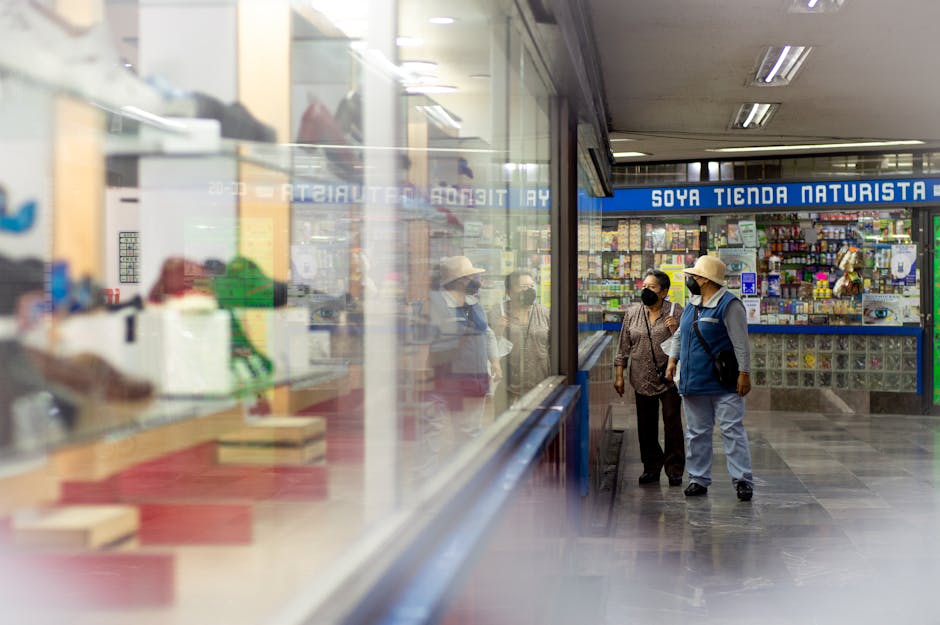
Recommended addresses: the shop “Artesanía Canaria” (Calle de León y Castillo, 1, 35001 Las Palmas de Gran Canaria) sells local crafts with transparent pricing (small souvenirs €3–15, quality ceramics €20–60). For electronics, favor big chains like MediaMarkt (Av. Pintor Felo Monzón, 20, 35016 Las Palmas de Gran Canaria) and check the European warranty. Beachwear in street markets can be very cheap (€5–20), but always ask for a receipt.
Tips: if a seller offers a “special price if you pay cash” that feels odd, request an invoice (factura). Legitimate shops have card terminals and give proof of purchase. When buying perfume or sunglasses, inspect packaging, labels and overall quality: a dramatically low price is often a red flag for counterfeits.
4. Myth: “Maspalomas Beaches Are Full of Parasols Scams” — Rental Reality and Best Practices
Popular beaches like Playa de Maspalomas (Avenida de Estados Unidos, 35100 Maspalomas) or Playa del Inglés offer rentals: sunbeds, umbrellas and water-sport services. Widespread scamming of bathers is not common, but independent vendors not affiliated with official operators may offer fluctuating prices. On the official waterfront, rental companies clearly display their rates.
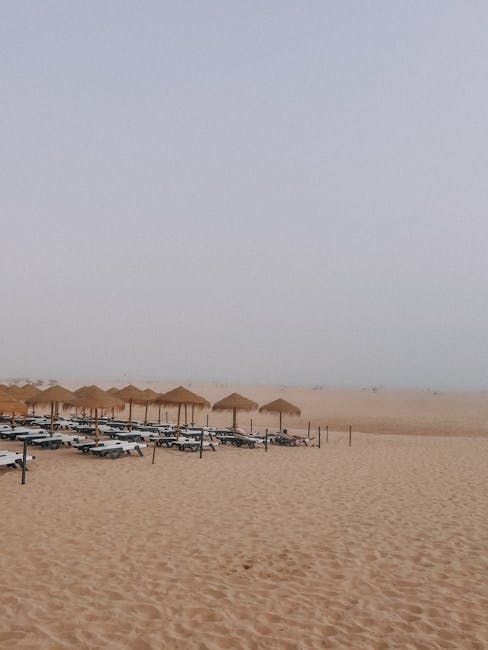
Indicative rates: umbrella + two sunbeds rental: around €8–12 per day in managed areas; jet-ski: €40–70 for 15–30 minutes (Centro Náutico Maspalomas, Avenida de Estados Unidos, 35100 Maspalomas). Lifeguard posts and kiosks usually display prices and hours (often 09:00–19:00 in high season). If an unbranded vendor offers a “special service,” check the condition of the equipment and agree a price before accepting.
Local advice: keep an eye on your belongings and use beach lockers if available. To report an aggressive vendor, contact local authorities (Policía Local de San Bartolomé de Tirajana, Plaza de Maspalomas) or the nearest tourist office.
5. Myth: “Vegueta Market Always Sells Expired Produce” — The Reality of Mercado de Vegueta and Where to Eat Fresh
Mercado de Vegueta (Calle Mendizábal, s/n, 35001 Las Palmas de Gran Canaria) is a historic covered market offering fresh produce, tropical fruits, fish and tapas stalls. Some rumors claim expired food is sold to tourists. In reality, stalls are subject to Spanish health inspections: quality varies by vendor, but you’ll also find excellent fresh produce.

Opening times: most stalls open 08:00–14:00; some tapas counters stay open until 16:00. Sample prices: fresh fish €8–18/kg depending on species, mangoes and papayas €2–4 each, tapas at the counter €2–5 per portion. For a sit-down meal, look for recommended stalls like “Bar Casa Carmelo” near the market or small bistros around Plaza de Santa Ana.
Tips: watch product turnover (frequent restocking usually means fresher items), ask about the fish origin (pescado de lonja means locally landed), and favor morning hours. If in doubt, ask market staff or locals in nearby cafés for recommendations.
6. Myth: “Local Guides Always Run Dodgy Tours” — How to Choose a Trustworthy Excursion
Many travelers fear booking a prepaid excursion only to receive a poor service. Gran Canaria offers a wide range of excursions: guided hikes in Parque Rural de Tamadaba (GC-210, 35380 Agaete), catamaran trips from Puerto de Mogán (Puerto de Mogán, 35138 Mogán) or 4×4 safaris in the mountains. The key is to book with reputable agencies or directly via tourist offices.
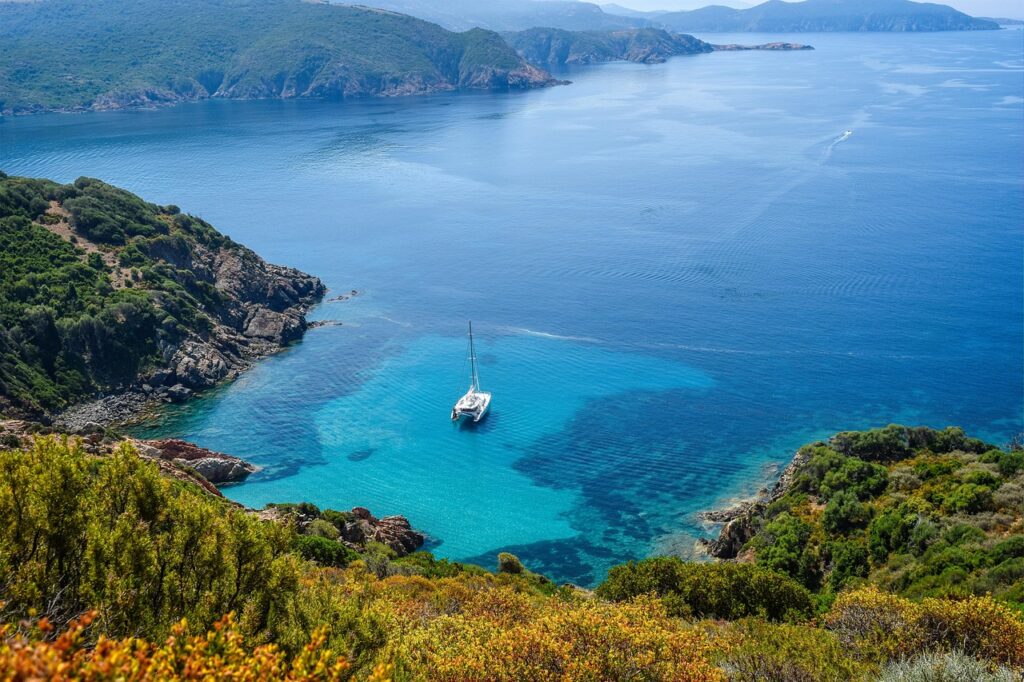
Addresses and prices: catamaran trip in Puerto de Mogán: €35–60 per person (2–3 hours), sold at “Puerto de Mogán Excursions” on the quay; guided hike in Tamadaba with a local guide: €30–50 per person (half day), departures often 09:00–10:00; 4×4 safari from Maspalomas: €60–85 for a full day. Before booking, check departure points, duration, what’s included (meals, transfers) and cancellation terms.
Tip: ask for references, check recent reviews on independent sites and insist on an official receipt. If someone offers a “free excursion” that demands a large payment once you’re there, refuse and go to the official agency (Oficina de Turismo, Plaza de la Feria in Las Palmas or tourist offices in Maspalomas).
7. Myth: “Pickpockets Run Rampant in Las Palmas Streets” — Truth and Areas to Watch
As in any major tourist destination, opportunistic thefts happen, but Gran Canaria isn’t particularly known for organized pickpocket rings. Crowded areas such as Paseo de Las Canteras (Avenida Mesa y López, 35010 Las Palmas de Gran Canaria), Calle Mayor de Triana (Calle Mayor de Triana, 35002 Las Palmas de Gran Canaria) and markets are places to stay alert.
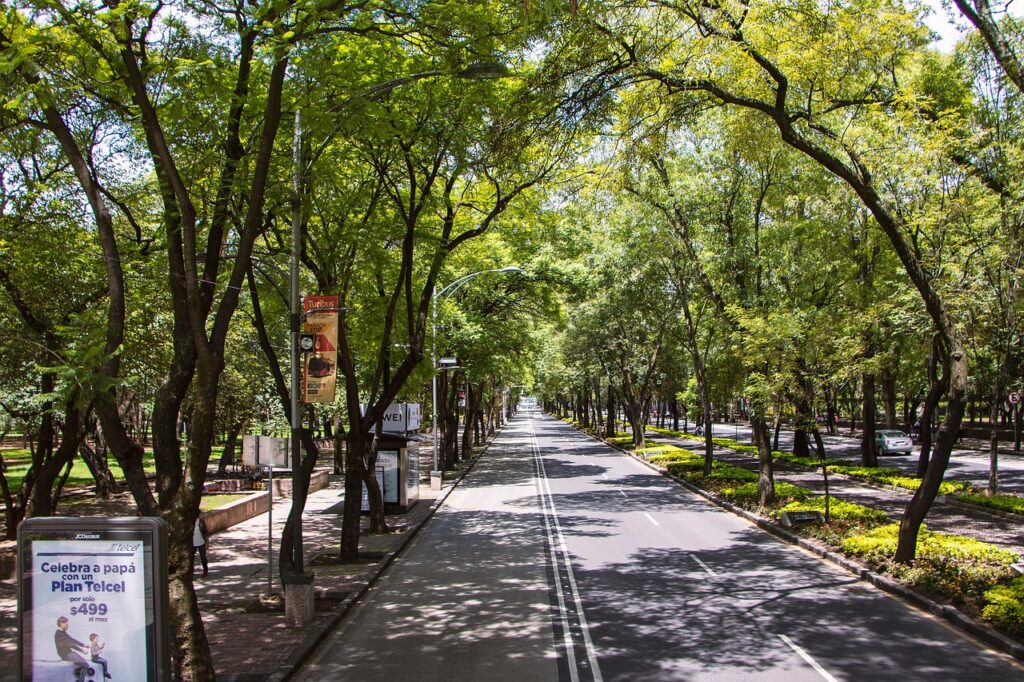
Concrete tips: keep your wallet in a front pocket, use an inner pouch or money belt under your clothes, and avoid leaving an open bag on a café chair. If you’re a theft victim, report it immediately to the National Police (Comisaría de Policía Nacional, Plaza de la Feria, Las Palmas) so you can make a declaration for your insurance.
8. Myth: “Street Money Changers Give Better Rates” — Where to Exchange Money Safely
Changing cash on the street might seem to offer better rates, but it’s often risky. Official exchange offices, banks and ATMs are the safest options. Reliable agencies include Banco Santander (Calle Triana 51, 35002 Las Palmas de Gran Canaria) and CaixaBank (Avenida Mesa y López, 21, 35010 Las Palmas). ATMs at the airport and downtown sometimes charge fees: check commissions before confirming a withdrawal.

Rates and tips: compare rates online and avoid offices offering “too-good-to-be-true” rates without a receipt. For small purchases, card payment is usually accepted (some small shops may have limits). If you’re exchanging a large sum, prefer banks and always ask for a receipt.
9. Myth: “Fake Cops Stop Tourists” — How to Recognize a Real Check
There are isolated stories of con artists posing as police officers to demand money or documents. Spanish police wear official uniforms and carry ID badges; they will never demand cash as an “immediate fine” without formal procedure. If in doubt, ask to see official identification and offer to accompany the officer to the nearest police station.
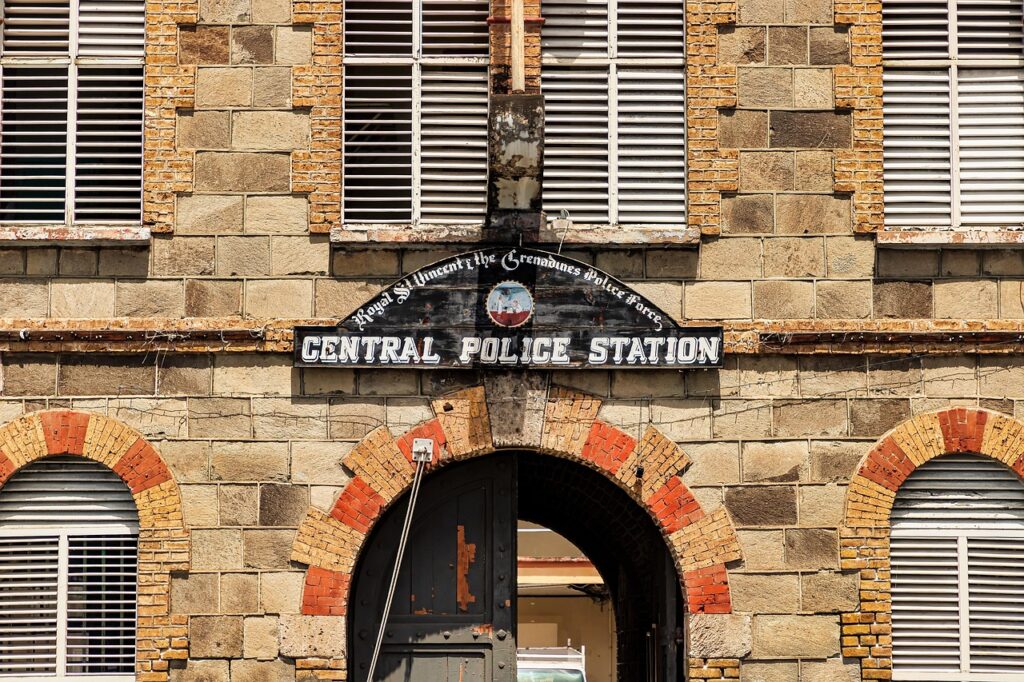
If the incident happens at night or in an isolated place, call 112 (European emergency number) or 091 (Policía Nacional) to verify the officer’s identity. Keep the contact details of your country’s consulate or embassy in Las Palmas in case of a serious issue.
10. Myth: “Seafront Restaurants Always Rip Off Tourists” — Telling Price from Quality
Some beachfront restaurants list higher prices than inland eateries; that usually reflects location and service costs, not necessarily a rip-off. Example: a fish dish at “Restaurant La Marinera” on Paseo de Las Canteras (Avenida Mesa y López 29, 35010 Las Palmas de Gran Canaria) can cost €18–28, while a daily set menu in a local tavern might be €9–14.
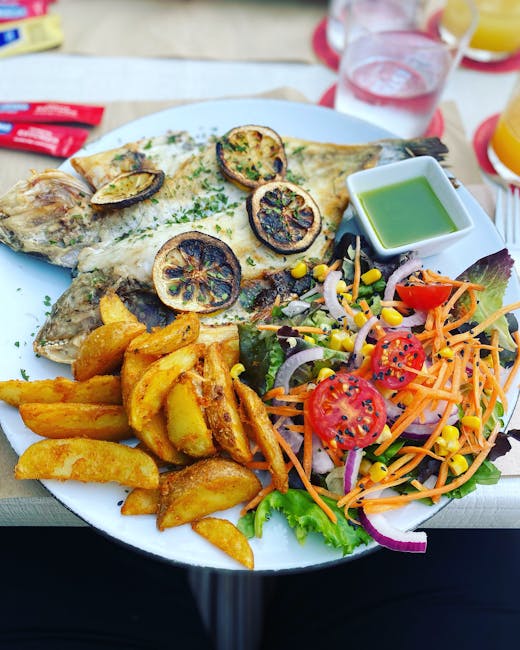
Advice: check the menu before you sit down, see if a cover charge (pan y servicio) is applied (usually €1–3 per person) and ask whether the fish was caught that day. Favor venues with a visible license and recent reviews. For an authentic and often cheaper experience, try small tapas bars in Vegueta or Puerto de Mogán’s harbor restaurants where local catches arrive fresh daily.
Conclusion — Travel Smart: Prevention, Good Habits and Who to Contact If Something Goes Wrong
Gran Canaria remains a welcoming and generally safe destination. The “scams” you hear about are often isolated incidents tied to tourist concentrations or unfamiliarity with local rules. By informing yourself in advance, keeping proof (tickets, photos, contracts), choosing established providers (excursion agencies, banks, reputable rental companies) and asking for receipts, you drastically reduce your risk. The addresses cited in this guide — Mercado de Vegueta (Calle Mendizábal, s/n, 35001 Las Palmas de Gran Canaria), Gran Canaria Airport (Carretera GC-1, s/n, 35230 Telde), Centro Comercial Yumbo (Avenida de Tirajana, 3, 35100 Playa del Inglés) — are practical reference points to check information and compare offers.
If you fall victim to a scam or witness suspicious behavior, report it to the authorities: Policía Local (present in towns like Las Palmas and San Bartolomé de Tirajana), Policía Nacional (Comisaría de Policía Nacional, Plaza de la Feria, Las Palmas) or the Guardia Civil depending on the case. For rental issues contact the agency directly and keep all documents; for commercial disputes the Oficina Municipal de Consumidor can assist. Finally, keep emergency numbers (112) and your embassy or consulate contact info handy.
Being informed lets you enjoy the island fully: wander along Playa de las Canteras, explore Vegueta’s old town, savor tapas with a glass of local ron miel and be surprised by the variety of landscapes. With these practical tips and precise addresses, you’ll be better equipped to tell rumor from reality and have an authentic, relaxed experience in Gran Canaria.