





Introduction
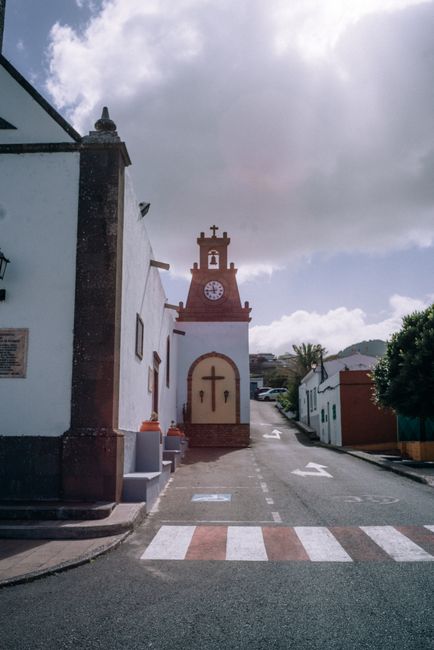
Gran Canaria is usually seen through the lens of golden beaches and lively seaside resorts, but the island’s true spirit hides inland: perched villages, deep ravines, quiet plazas and centuries-old stone houses. This guide walks you through the “10 hidden villages of Gran Canaria beyond the beaches,” aimed at travelers who want to dive into local culture, traditional cuisine, Canarian architecture and intimate landscapes away from the coast.
Each village here keeps a distinct identity shaped by centuries of farming, religion and crafts. You’ll find detailed descriptions, exact addresses (town hall, churches or central meeting points), opening hours for relevant public sites, indicative prices in euros (museums, guided tours, typical meals), and local tips to get the most out of your visits: best times of day for light, recommended driving routes, weekly markets and authentic dining options.
The goal is to help you build full days off the beach: short hikes, tastings, village museums, café stops in shaded plazas, or evenings in small taverns where locals gather. The villages range from volcanic heights to fertile valleys, each offering different sensory experiences — scents of pine and eucalyptus, panoramic ridge views, cobbled lanes and colorful façades, or almond orchards in bloom.
Before you go, a few practical tips: most of these villages are best reached by car (mountain roads can be narrow and winding), so renting a vehicle is recommended if you want to maximize visits (expect roughly €25–45/day for a small car off-season). Village shop hours are often limited on Sundays or in the afternoons (siesta) — plan museum or town hall visits for the morning. Finally, bring an offline map or a reliable GPS app: some rural roads have limited mobile coverage. Tourist signs are helpful but discreet; speaking a few words of Spanish makes interactions with shopkeepers easier.
1. Tejeda — Plaza de Sarmiento, 1, 35330 Tejeda, Las Palmas
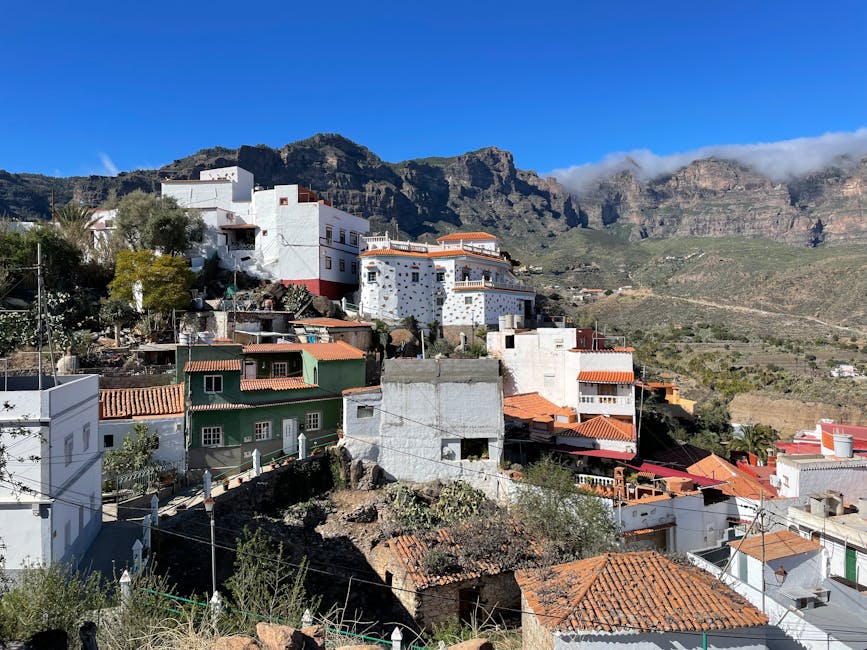
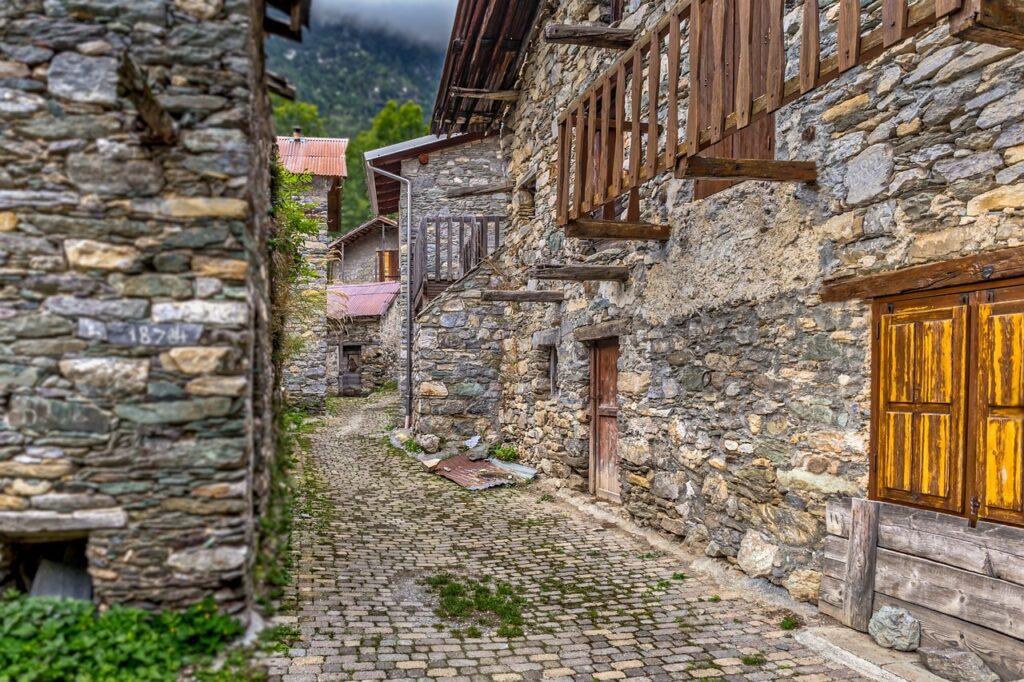
Tejeda, perched at 1,050 m, is often listed among Spain’s most beautiful villages. Its Plaza de Sarmiento is the social heart where you’ll find the Ayuntamiento de Tejeda (Plaza de Sarmiento, 1, 35330 Tejeda, Las Palmas). The village offers spectacular views of Roque Nublo and Roque Bentayga. Wander the cobbled alleys among stone houses and wooden balconies, and browse local craft shops (aged goat cheeses, homemade jams, local honey).
Opening hours: the town hall (Ayuntamiento de Tejeda) is open Monday to Friday, 09:00–14:00. The small municipal museum (Casa Museo de Tejeda) typically opens 10:00–17:00, closed on Mondays. Price: museum entry around €3–5 per person. Recommended restaurants: Restaurante El Calderito de la Abuela, Carretera GC-60, 35330 Tejeda — traditional dishes (daily menu €12–18; coffee €1.50–2.00). Local tip: head to the Pico de las Nieves viewpoint at sunset for spectacular colors (no entrance fee required; public parking available).
2. Artenara — Plaza de La Iglesia, 1, 35320 Artenara, Las Palmas
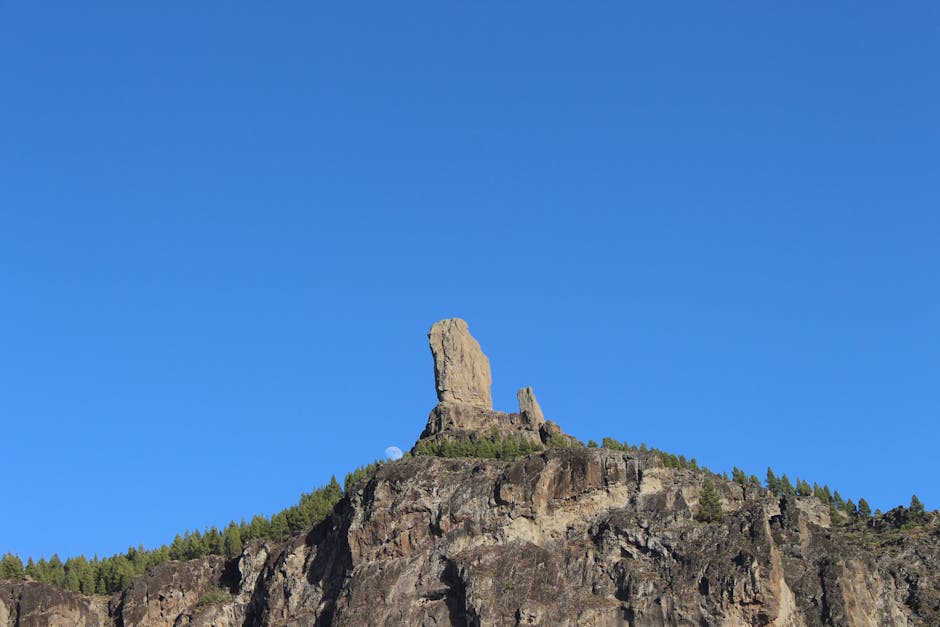
Artenara is the island’s highest village (about 1,270 m), famous for cave-dwellings carved into the rock. The church of San Matías (Plaza de La Iglesia, 1, 35320 Artenara) overlooks the main square. Don’t miss the Casa Museo de Artenara and tours of the restored cave homes. Opening hours: Casa Museo 09:30–16:30 (closed Sunday morning), suggested price €4.
Useful addresses: Cuevas de Artenara interpretation center, Camino de Las Cuevas, 35320 Artenara — guided entrance about €6–8; book in the morning. Dining: Restaurante El Mirador de Artenara, Carretera GC-210, 35320 Artenara — Canarian specialties, roasted kid (main course €14–20). Tip: the GC-210 access road is scenic but narrow — drive carefully and wear closed shoes for exploring rocky trails and caves.
3. Agaete — Plaza de la Constitución, 1, 35480 Agaete, Las Palmas
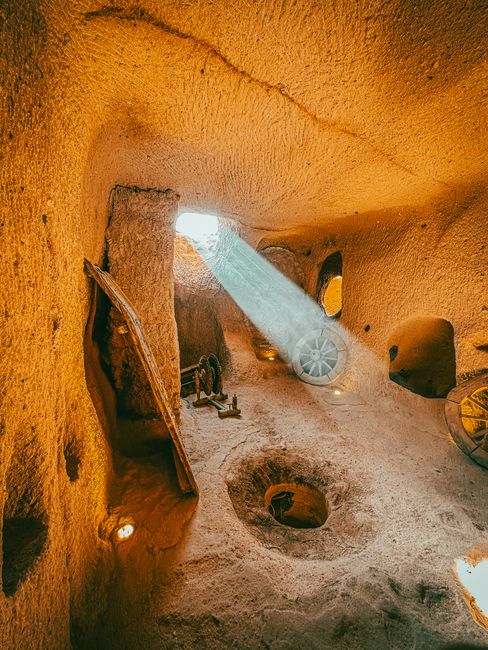
Agaete sits on the northwest coast but its village center and inland valleys (Valle de Agaete) feel removed from the tourist beaches. The Ayuntamiento de Agaete is on Plaza de la Constitución, 1, 35480 Agaete. Stroll through Puerto de las Nieves to admire traditional architecture, then head up to the coffee plantations in Agaete Valley (Finca La Laja, Camino Las Presas, 35480 Agaete — tour and tasting €8–12).
Opening hours: the local museum (Museo Municipal de Agaete) opens 10:00–14:00 and 17:00–20:00 depending on the season; entry €2–4. Dining: Casa Carmelo, C. León y Castillo, 19, 35480 Agaete — fresh fish and Canarian dishes (main €12–22). Tip: check town hall for market days and hike the trails to Tamadaba for forest views and centuries-old Canarian pines. Parking: central plaza parking paid at €0.50–1 / hour depending on spot.
4. Santa Lucía de Tirajana — Plaza de San Rafael, 1, 35110 Santa Lucía de Tirajana, Las Palmas
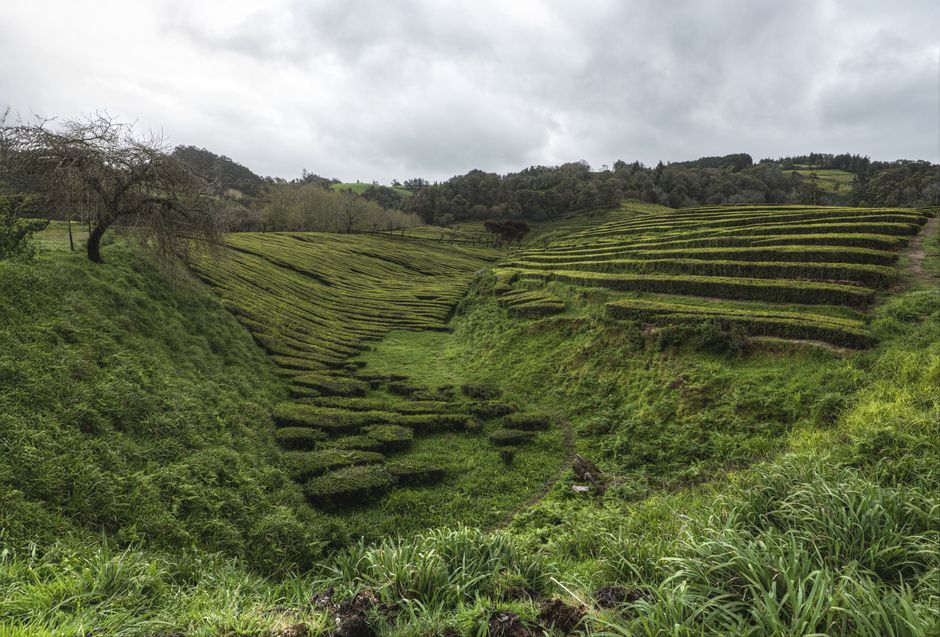
Santa Lucía is an agricultural oasis in the southeast, known for its orchards and traditional cuisine. The Ayuntamiento (Plaza de San Rafael, 1, 35110 Santa Lucía de Tirajana) marks the center. Visit the church of San Bartolomé and wander Calle Mayor to find local artisans and pastry shops.
Opening hours: Oficina de Turismo de Santa Lucía, Plaza de San Rafael, 2 — 09:00–14:00 on weekdays; free brochures available. Events: local market on Sunday mornings (fruit, cheeses, country bread). Restaurants: Tasca El Molinón, C. León y Castillo, 12 — tapas €8–15, mains €10–18. Practical tip: try bienmesabe (almond dessert) or ropa vieja canaria in small taverns; carry cash — some stalls don’t take cards.
5. Valleseco — Plaza de San Isidro, 1, 35329 Valleseco, Las Palmas
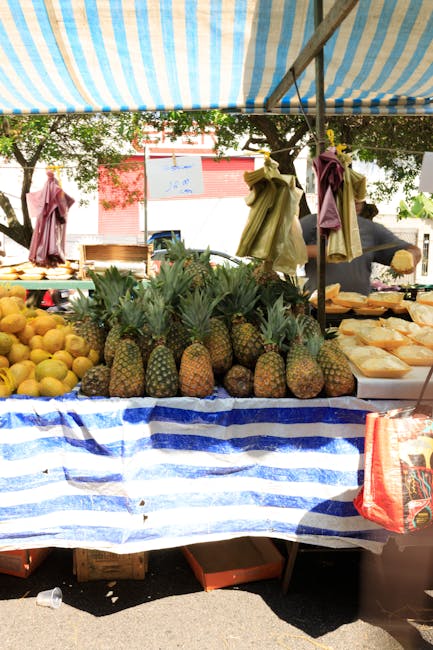
Valleseco, literally “dry valley” despite its name, is a wooded village known for its microclimates and pines. The church of San Juan Bautista and Plaza de San Isidro are landmarks (Plaza de San Isidro, 1, 35329 Valleseco). Walk the forest paths and taste local cheeses in small artisan dairies.
Opening hours: the local Oficina de Turismo 10:00–14:00; guided walks on request (prices €10–15 per person for half-day guided hikes). Dining: Restaurante Casa Cesilia, C. Real, 7 — mountain specialties (menu €12–20). Tip: bring a windbreaker — elevations can be cool even in summer; check intercity bus schedules (less frequent on Sundays).
6. Teror — Plaza de Sintes, 1, 35250 Teror, Las Palmas
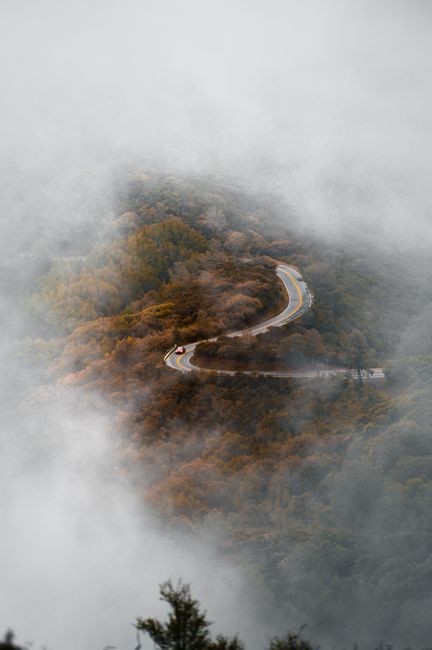
Teror is a pilgrimage and craft center, famous for its basilica Nuestra Señora del Pino (Plaza de Sintes, 1, 35250 Teror). Traditional wooden balconies line the streets and the Sunday market is the perfect place to sample local charcuterie and pastries.
Opening hours: Basilica of Nuestra Señora del Pino: visits 09:00–13:00 and 16:00–19:00 (times vary on holidays). The Sunday market runs 08:00–14:00. Museo Etnográfico de Teror (C. Real, 15): 10:00–14:00, entry €3–5. Restaurants: Casa Calvay, C. Mesones, 23 — traditional Canarian plates (menu €14–22). Tip: pair your visit with a sampling of artisanal honey and pick up a small cochenillero (palm-leaf craft) souvenir.
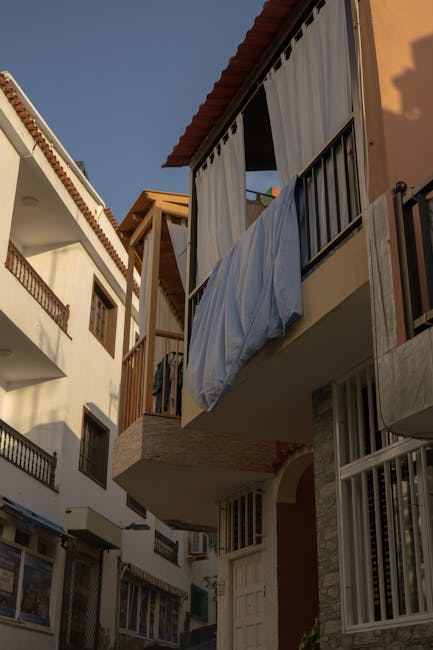
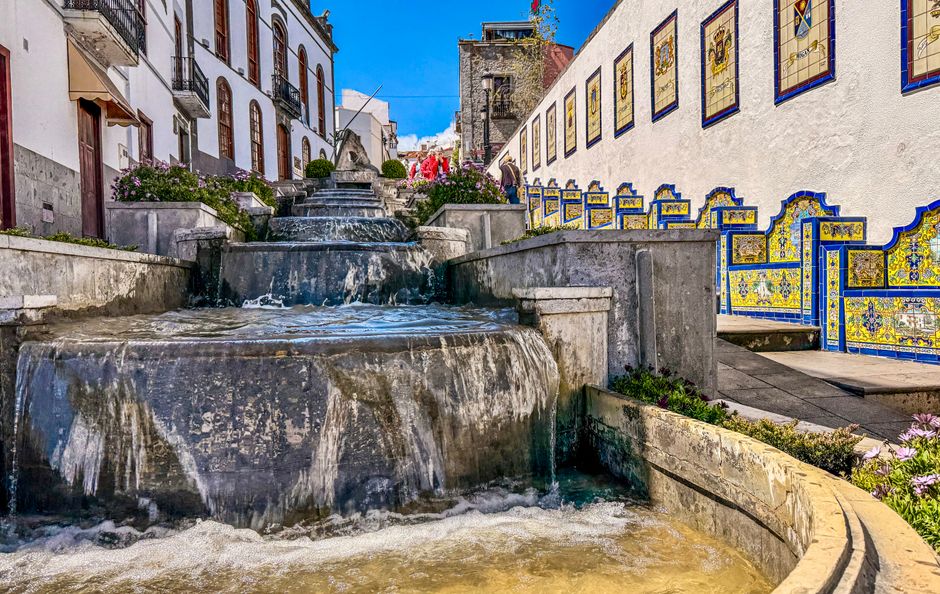
7. Firgas — Plaza de San Roque, 1, 35210 Firgas, Las Palmas
Firgas is a compact village known for its mosaic waterfall promenade and fresh water. Plaza de San Roque is a good starting point (Plaza de San Roque, 1, 35210 Firgas). Stroll along the Paseo de Gran Canaria, admire the azulejo panels and taste cool mineral water from the public fountains.
Opening hours: Oficina de Turismo 10:00–14:00. Local museum (Casa de la Cultura) 09:00–13:00. Cost: the promenade and fountains are free; museums €2–3. Dining: Cafetería El Paseo, Paseo de Gran Canaria, 23 — coffees €1.50–2.50, local pastries and sandwiches. Tip: Firgas is perfect for a one- to two-hour stop en route between Las Palmas and the island interior — ideal for photos and buying local mineral water.
8. Moya — Plaza de Las Madres, 1, 35420 Moya, Las Palmas
Moya sits at the foot of the northern mountains, known for eucalyptus trees and shady trails. The center revolves around Plaza de Las Madres (Plaza de Las Madres, 1, 35420 Moya). Visit the Casa-Museo de los Molinos (old windmills) and explore trails toward the Cuevas de Moya.
Opening hours: Casa-Museo 10:00–15:00; entry €3–5. Marked local trails open 08:00–18:00 (free access). Dining: Restaurante La Terraza, C. El Hoyo, 6 — typical dishes €10–18. Tip: combine Moya with a stop at Mirador de Faneque for cliff and ocean panoramas (road access and parking available), best in the morning to avoid coastal clouds.
9. Fataga — Plaza de San Joaquín, 1, 35120 Fataga, Las Palmas
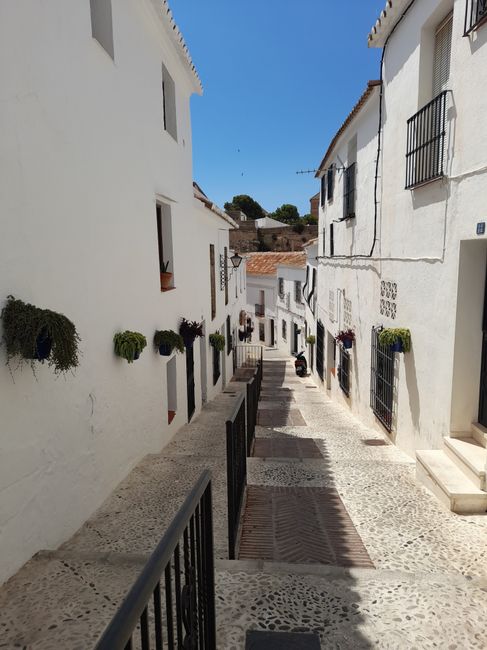
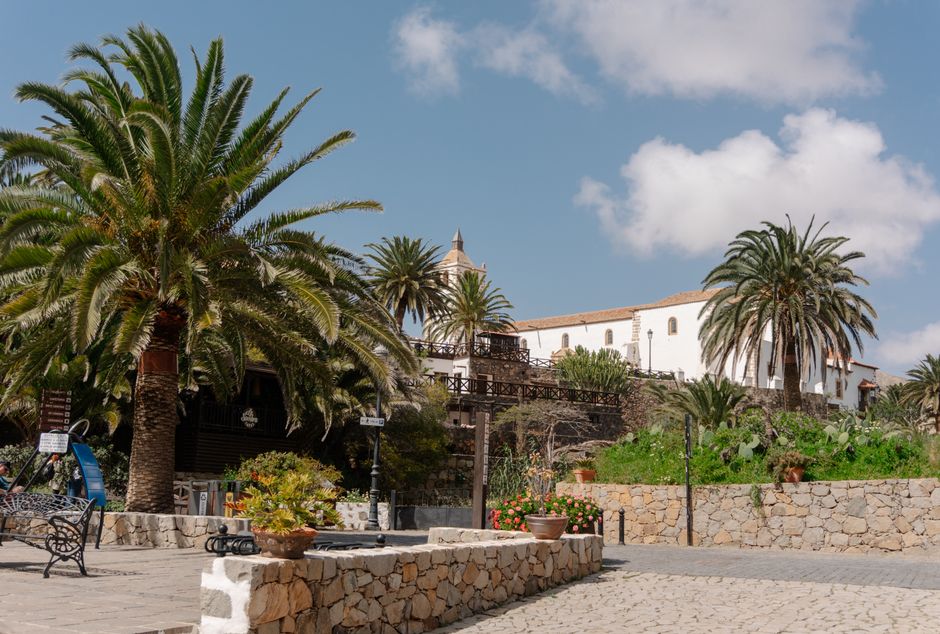
Fataga, nicknamed the “Valley of a Thousand Palms,” is an oasis village in the island’s southern interior, located near the GC-60 road. Plaza de San Joaquín (Plaza de San Joaquín, 1, 35120 Fataga) is the entry point. Stone houses, narrow lanes and lush vegetation make Fataga extremely photogenic.
Opening hours: Fataga’s Oficina de Turismo is often open 09:30–14:00; small galleries and workshops open 10:00–18:00. Dining: Restaurante Molino de Agua, C. Principal, 3 — Mediterranean and Canarian menu (€15–25). Activities: guided hikes in Barranco de Fataga (half-day €20–30 per person). Local tip: arrive early to avoid tourist minibuses and enjoy the valley’s cool shade; buy warm artisan bread from a local bakery for a picnic.
10. Agüimes — Plaza de Agüimes, 1, 35260 Agüimes, Las Palmas
Agüimes blends history, street art and rural traditions. Plaza de Agüimes (Plaza de Agüimes, 1, 35260 Agüimes) is lively and surrounded by historic buildings. Explore the church of San Sebastián, stroll the old quarter and visit local artists’ workshops.
Opening hours: Oficina de Turismo 09:00–14:00, Museo Etnográfico 10:00–17:00 (entry €3–5). Dining: Restaurante Tagoror, C. Mayor, 18 — traditional dishes and local wine tastings (mains €12–22). Activities: self-guided street art walks (free) and farm tours to see terraced vegetable cultivation. Tip: pair Agüimes with a visit to the nearby natural park (Barranco de Guayadeque) and dine in a cave-restaurant for a unique experience (Restaurante La Cueva, Barranco de Guayadeque — tasting menu €20–35).
Conclusion
Exploring the 10 hidden villages of Gran Canaria beyond the beaches reveals a different, deeply authentic side of the island. These places share a constant: a close relationship between people and the land — orchards, terraces, mills, caves and trails that tell stories shaped by climate and volcanic geography. Each village offers its own palette of experiences: from the high altitudes of Artenara and Tejeda to the forest freshness of Valleseco and Moya, and the rural oases of Fataga and Agüimes. The practical info provided — addresses, hours, indicative prices and restaurant recommendations — helps you build a realistic, flexible itinerary.
Final tips: favor a car to reach these villages and allow plenty of time to wander; the richness is often in the details (a façade, a balcony, a chat with a craftsperson). Respect the local atmosphere: photograph discreetly, buy local to support village economies and adapt to local schedules (siesta and reduced Sunday hours). If you travel in low season, expect a calmer vibe and more time to chat with shopkeepers. Finally, don’t forget comfortable shoes, a windbreaker and a small first aid kit — some walks are easy but mountain roads can be demanding.
These villages invite you to slow down, listen and feel Gran Canaria differently. Whether you’re after sweeping viewpoints, hidden heritage, rural gastronomy or genuine human encounters, each of the ten recommended villages will add a piece to the puzzle that makes up the island’s interior soul. Safe travels and buena ruta — take your time to savor every alley, every viewpoint and every shared table.