





Introduction — Why this guide to scams in Gran Canaria matters
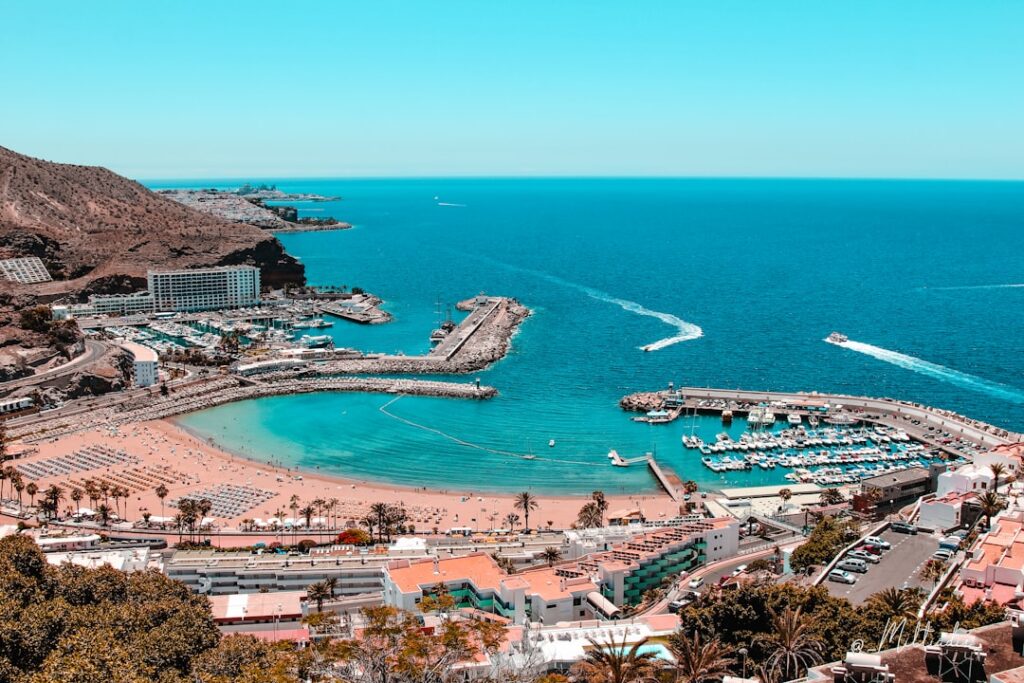
Gran Canaria is an island of dramatic landscapes, golden beaches and lively urban hubs. Every year millions of visitors flock to spots like Playa del Inglés, Maspalomas, Las Palmas de Gran Canaria and Puerto Rico to soak up sun, sea and Canarian culture. But like any popular tourist destination, opportunistic scams exist and often target travelers. This guide aims to provide a thorough, practical overview of the common scams in Gran Canaria so you can anticipate, recognize and avoid them while still enjoying your trip.
This is a general, professional guide packed with exact addresses, typical opening hours, indicative prices and immersive descriptions. You’ll find details about where and when fraud tends to happen most often: unlicensed taxis, tampered ATMs, dodgy car rentals, fake street vendors, bogus excursion desks and property scams for long-stay visitors. Each section gives concrete tips, useful Spanish phrases and steps to take if something goes wrong.
Gran Canaria has many very safe, well-regulated areas, but the mix of heavy tourist flows (especially around Avenida de Tirajana in Maspalomas, Playa de las Canteras in Las Palmas and the Puerto Rico promenade) and seasonal economies can encourage small-scale or larger scams. Amounts involved range from a lost bill to organized extortion over fake infractions. Knowing typical prices (taxi fares, excursion rates, daily boat rentals) helps you spot outlandish offers instantly.
This guide also includes practical recommendations for contacting local authorities: Policía Local, Policía Nacional and Guardia Civil, plus advice on preserving evidence (photos, receipts, screenshots), reporting incidents to booking platforms and contacting your consulate if needed. The addresses and opening hours listed were current at the time of writing and serve as useful reference points if you need to act or follow up.
Above all, this guide is intended to protect your travel experience without causing unnecessary alarm: most visitors have a pleasant stay. But a well-informed traveler is a relaxed traveler. Keep this guide handy, use common sense, and enjoy Gran Canaria with peace of mind. Below you’ll find five detailed sections on the most frequent scams and how to avoid them.
1. Taxi and transport scams: how to spot unlicensed drivers
Taxis are one of the most convenient ways to get around Gran Canaria, but they’re also a common target for scams. Official taxis are clearly marked: a roof light reading « TAXI, » yellow license plates and a city sticker indicating the municipality (for example Telde, Las Palmas de Gran Canaria, San Bartolomé de Tirajana). Still, unlicensed drivers sometimes offer « cheaper » or « direct » rides from busy tourist spots like Playa del Inglés (Avenida de Estados Unidos, 35100 San Bartolomé de Tirajana) or Playa de las Canteras (Paseo de Las Canteras, 35008 Las Palmas de Gran Canaria).
Concrete examples of scams:
- Airport surcharge: at Gran Canaria Airport (Aeropuerto de Gran Canaria, Expresiones 3, 35230 Telde) some drivers quote fares far above regulated rates. Typical official fares: roughly €25–35 for Airport (LPA) → central Las Palmas de Gran Canaria, €30–45 for Airport → Playa del Inglés depending on luggage. If a driver tells you €80–100, refuse and use the official taxi rank in front of the terminal by arrivals.
- Trip without the meter: a driver may propose a fixed price without starting the meter. Always insist the meter is switched on. Normal daytime rates in Las Palmas: pickup fee €3.55 + about €1.10–1.20 per km (rates vary by city and season). Airport pickups may include additional surcharges for the first kilometers. If the driver refuses to use the meter, get out at the next safe place.
- Fake private taxis: in Puerto Rico (Avenida de Tirajana, 35130 Mogán) private cars sometimes pose as taxis. These drivers can take long detours to inflate the fare. Prefer calling a reputable company: Radio Taxi Las Palmas (Tel: +34 928 431 111) or ARHOE taxis Maspalomas (Tel: +34 928 772 222).
Practical tips:
- Before you get in, check the vehicle’s plate and the official sticker. If the quoted fare seems excessive, ask the driver to explain it and switch on the meter. If you’re in a group, compare prices with a rides app or call another taxi.
- Airport trips: use the official queue located outside arrivals (Aeropuerto de Gran Canaria arrivals area, 35230 Telde). A reliable alternative is to book a private transfer via recognized platforms (fixed price known in advance, typically €45–75 depending on vehicle for Playa del Inglés).
- Payment: favor card payment when accepted. Note the plate number and send it to a friend or take a photo. Official taxis must provide a receipt on request showing the company address and identification number, plus trip details.
2. ATMs and card fraud: how to avoid skimming
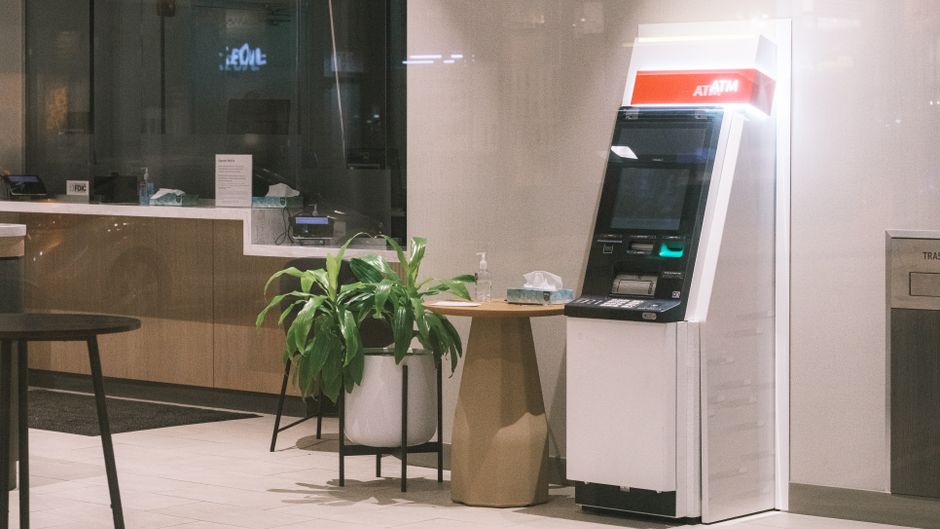
ATMs (cajeros automáticos) are everywhere, but criminals sometimes target them with skimming devices (copying magnetic stripes) or hidden cameras to steal your card data. High-risk locations include isolated machines, ATMs near nightlife bars and some beachside machines with limited surveillance.
Examples of locations and typical withdrawal fees:
- CaixaBank ATM — Calle Mayor de Triana, 11, 35002 Las Palmas de Gran Canaria. Hours: open 24/7. International withdrawal fees: €2–5 + your bank’s commission.
- Santander ATM — Avenida de España, 61, 35100 San Bartolomé de Tirajana (near Yumbo Centrum). Hours: 24/7. Similar fees; be cautious with little-used night machines.
- BPI / Banco Santander ATM — Centro Comercial La Sandía, Avenida de Tirajana, 35, 35100 Maspalomas. Mall hours vary (roughly 09:00–22:00); the ATM is accessible outside those hours but is less secure then.
Warning signs and fraud examples:
- Suspicious card reader: if the card slot looks loose, too thick or has glued elements, don’t use that ATM. Try a machine inside a bank branch instead.
- Hidden cameras: check above the keypad and under the screen for a tiny lens. Micro-cameras are often hard to spot without a close look.
- Skimming: if the machine takes an unusually long time after you insert your card or the screen freezes, remove your card and alert the bank. Contact your bank immediately to block the card.
- Fake helpers: someone may offer « help » to withdraw cash and use the opportunity to copy your details. Decline unsolicited assistance and ask the person to step away.
Prevention measures:
- Use ATMs inside bank branches during opening hours (for example Banco Santander, Calle Domingo J. Navarro, 19, 35002 Las Palmas de Gran Canaria, typically open 08:30–14:00 and 16:30–19:00 depending on branch).
- Cover the keypad when entering your PIN and inspect the card reader housing. If anything looks unusual, use a different ATM.
- Enable SMS or app notifications from your bank to be alerted about suspicious transactions. If fraudulent withdrawals occur, contact your bank’s customer service immediately (numbers are usually on the bank’s website or on the back of your card).
3. Car, scooter and holiday rental scams
Vehicle and accommodation rentals are areas where scams can be costly. Fraudulent rental companies or unscrupulous agents exist, especially near tourist hubs like Playa del Inglés (Avenida de Gran Canaria and Avenida de Estados Unidos), Puerto Rico (Avenida de Gran Canaria, 35130 Mogán) and at airport counters. Scams range from hidden fees and fake insurance to unjustified withholding of security deposits.
Examples and addresses to know:
- Goldcar Rent a Car (frequent example) — counters often at Aeropuerto de Gran Canaria, Terminal de Llegadas, 35230 Telde. A common scam: overcharging for “unreported damage.” Indicative price: small city car from €20–35/day excluding insurance. Pay attention to insurance terms and the excess/deductible policy.
- Local agencies in Playa del Inglés — Rent-a-Car Avenida de Tirajana 3, 35100 San Bartolomé de Tirajana. Hours: 08:30–18:00. Compare online reviews and favor agencies with a clear physical address and insurance accepted by your credit card provider.
- Booking platforms — when using peer-to-peer sites (Airbnb, Booking.com), favor verified listings and read cancellation policies closely. Tourist info: Oficina de Información Turística de Maspalomas, Av. de Tirajana 1, 35100 San Bartolomé de Tirajana. Hours: 09:00–18:00.
Types of scams and how to avoid them:
- False damage claims: the renter alleges a scratch or dent that wasn’t documented and demands the excess. Take date-stamped photos of the vehicle’s condition before pickup and request a signed inventory. For scooters, check the odometer and helmet condition.
- Hidden fees: fuel not refilled, excessive « cleaning » charges, fees for tires or windshields. Read the contract: official prices usually include IGIC (VAT); verify amounts in euros and the full/fuel policy.
- Deposit not returned: paid via card imprint or pre-authorization. Make sure you receive an official receipt and keep proof of returning the vehicle in good condition (photos and a staff signature).
- Accommodation not as advertised: the listing promises « 100 m from the beach » but it’s actually 1.5 km away, or the place is double-booked. Use integrated payment systems on platforms and never wire money to private accounts. Consumer help: Oficina de Atención al Consumidor de Las Palmas de Gran Canaria, Calle Domingo J. Navarro 48, 35003 Las Palmas. Hours: 09:00–14:00.
Practical tips:
- Always take additional insurance if your credit card doesn’t cover excesses. Compare rates using comparison sites before signing.
- Check an agency’s reputation across several platforms (Google, Trustpilot, TripAdvisor). An office with a clear physical address and consistent reviews is generally safer.
- For holiday rentals, verify the host’s identity, request a rental contract and prefer payments via the platform (e.g. Booking.com, Airbnb). If a dispute arises, contact the platform and keep all communications.
4. Street vendors, markets and fake goods: spotting counterfeits and avoiding aggressive sales tactics
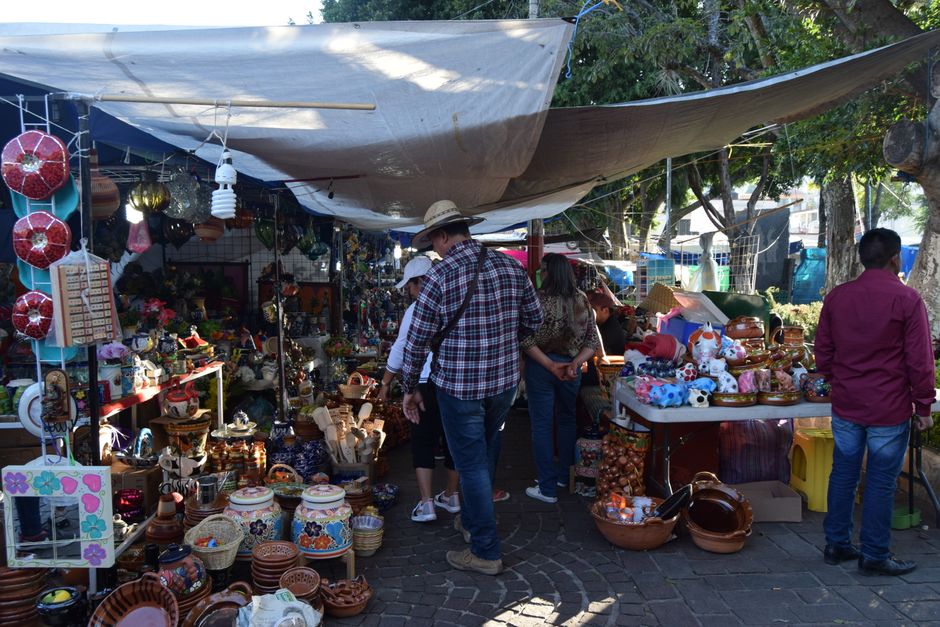
Markets and street vendors are part of the local charm but can also be where scams happen. In Gran Canaria, markets like Mercado de Vegueta (Plaza de Santiago, 35001 Las Palmas de Gran Canaria) and stalls along the Playa de las Canteras promenade (Paseo Las Canteras, 35009 Las Palmas) attract tourists. Vendors sell souvenirs, clothing and jewelry; some items are fine quality, others are obvious knock-offs.
Details on locations and hours:
- Mercado de Vegueta — Plaza de Santiago, 35001 Las Palmas de Gran Canaria. Hours: food market 08:00–14:30, crafts market varies by weekday. Watch out for kiosks at the entrance selling branded accessories at rock-bottom prices.
- Yumbo Centrum — Avenida de Estados Unidos, 35100 San Bartolomé de Tirajana. Shop hours roughly 10:00–22:00; the center is active at night. Heavily frequented by tourists, with vendors offering tours and goods in a hurry.
- Sunday market in Arguineguín — Calle Triana, 35120 Mogán. Hours: morning 08:00–13:00. Fresh produce is often genuine, but watch for sellers offering fake excursion tickets.
Frequent scams:
- Counterfeit goods sold as authentic: handbags, sunglasses, watches. Vendors might pressure you saying « this is the last piece » to force a quick purchase. Typical prices: fake sunglasses €10–25, watches €20–50, bags €30–80. If it seems too good to be true, it probably is.
- Changing money at the market: individuals may offer to exchange euros for foreign bills or give you an excellent rate. Often you’ll get counterfeit notes or low-value coins. Only exchange money at banks or authorized bureaus like Global Exchange, Aeropuerto de Gran Canaria, Terminal 1, 35230 Telde. Hours vary by flights (commonly 06:00–00:00).
- Request for money after taking a photo or interacting: some street performers or costumed characters (near Playa de las Canteras and the pedestrian promenade) will ask for money after you’ve been photographed. Ask the price before you take a picture (for example, « ¿Cuánto? » — « ¿Cuánto por una foto? »).
Practical tips:
- Avoid impulse purchases of high-value items near beaches and crowded areas unless you’ve checked quality carefully.
- For cash and currency exchange, use official bureaus or banks (Banco Santander, CaixaBank, Global Exchange) or airport ATMs. City center exchange desks may hide commissions.
- If a vendor pressures you, step back calmly and walk to another stall. For valuable purchases, ask for a receipt or invoice with the seller’s address.
5. Excursions, water sports and fake guides: secure your adventure bookings
Boat trips, dune buggy tours in the Maspalomas dunes and water sports like jet-ski rentals are highly sought-after experiences. But they’re also fertile ground for scams: overbooking, boats that don’t meet safety standards, or demands for extra payment after the activity. Legitimate operators usually have a registered office, visible licenses and safety briefings in several languages.
Common departure points and addresses:
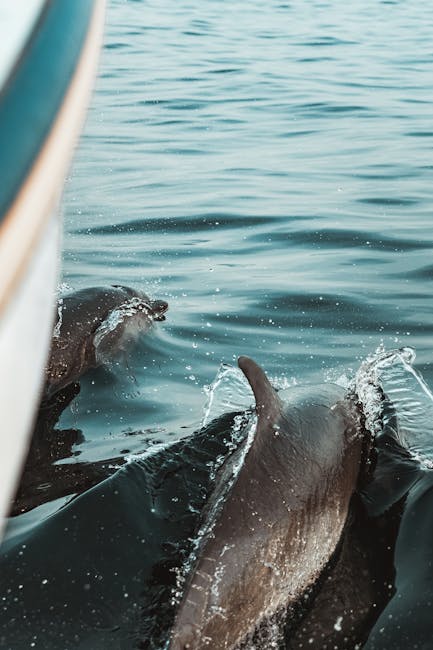
- Puerto de Mogán Boat Tours — Muelle de Mogán, 35138 Mogán. Office hours: 09:00–18:00. Indicative prices: dolphin-watching boat trips €35–55/person (3–4 hours), depending on equipment and season.
- Maspalomas dune buggy operators — Avenida de Tirajana, 35100 San Bartolomé de Tirajana (near the shopping area). Departure times vary, tours 2–4 hours, price €40–75/person depending on vehicle size and guide.
- Jet-ski rentals at Puerto Rico Marina — Muelle Deportivo Puerto Rico, 35130 Mogán. Hours: 09:00–19:00 in season. Prices: €30–60 for 20–40 minutes, often with a cash deposit required.
Types of scams and protection strategies:
- Paid excursion that never happens: you prepay and on the day the operator claims « bad weather » but offers a future date that never materializes. Book through agencies that guarantee refunds or use payment cards that cover cancellations. Ask for an official receipt with the operator’s name, address and tax number (NIF).
- Overbooking and extra fuel charges: some operators demand a surcharge for fuel or equipment on the spot, claiming it’s an exceptional fee. Insist on a firm price before paying or demand a refund if the service is changed.
- Uncertified guides: for mountain or hiking activities (e.g. Pico de las Nieves, carretera GC-600), choose guides with certification from the Las Palmas Mountain Federation or recognized excursion offices. Indicative price for a private guide: €70–120/day.
- Illegal jet-skis: some rentals ignore distance regulations and could involve you in infractions. Rent from official marine bases with fire extinguishers, life jackets and safety briefings (for example Base Náutica Puerto de Mogán, Muelle de Mogán).
Practical precautions:
- Check online reviews and look specifically for safety-related comments. On platforms like Tripadvisor or Google, read negative reviews to spot recurring scam patterns.
- Ask to see the company license, insurance certificates and the vessel safety plan. Reputable operators display these documents at the counter.
- Avoid paying the full amount in cash if possible. Use a credit card or a payment platform that allows chargebacks in case of dispute.
Conclusion — Travel smart in Gran Canaria: stay alert without worrying
Gran Canaria is a destination full of opportunities and discoveries. Despite the presence of targeted scams, most visitors enjoy a safe, pleasant stay. The key is balance: be informed and cautious without missing out on the island’s unique experiences. The scams covered in this guide — unlicensed taxis, compromised ATMs, fraudulent rentals, pushy street vendors and dubious activity operators — shouldn’t scare you off but should encourage simple, effective habits.
Summary of essential tips:
- Use official taxi services (airport ranks, known companies) and ask for a receipt with the identification number.
- Use ATMs inside banks, cover your PIN and enable bank notifications.
- Document rental vehicle condition with dated photos, read contracts and buy additional insurance if necessary.
- Buy from reputable shops and markets, request invoices and refuse offers that seem unrealistically cheap.
- Book excursions and activities with certified operators, ask for licenses and insurance, and preferably pay by card.
If you have a dispute, local authorities can help: Policía Local (file complaints at the municipal station), Policía Nacional (for organized fraud) and Guardia Civil (especially for incidents at sea or outside urban areas). Official tourist offices in Las Palmas (Calle Mayor de Triana 11, 35002 Las Palmas de Gran Canaria) and Maspalomas (Av. de Tirajana 1, 35100 San Bartolomé de Tirajana) can also advise on trustworthy operators and provide useful contacts. Keep all evidence (receipts, photos, screenshots), note times and addresses, and contact your bank or payment platform promptly if fraudulent transactions occur.
Traveling smart in Gran Canaria also means being open and respectful toward locals while staying vigilant. Canary Islanders are generally welcoming and helpful: a simple « gracias » or « buenos días » goes a long way. By combining courtesy with caution, you’ll increase your chances of a memorable, hassle-free trip on this fascinating island. Have a great trip and enjoy Gran Canaria safely!