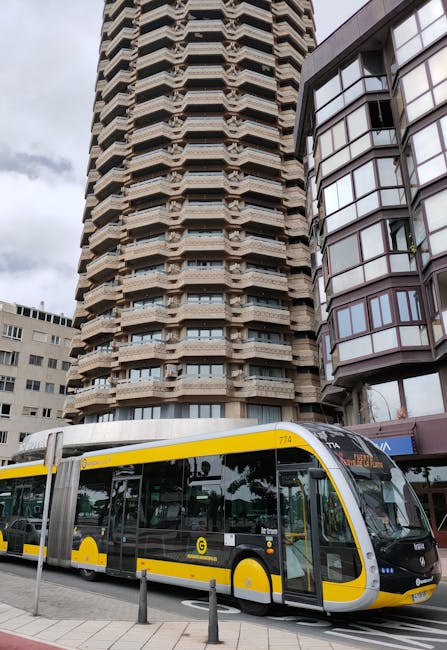






Introduction — Understanding Transport Cards in Gran Canaria
Getting around Gran Canaria usually means using a mix of networks: the urban Guaguas Municipales lines in Las Palmas de Gran Canaria, the island-wide intercity services from Global, and special connections from tourist hubs like Maspalomas, Playa del Inglés or Puerto de Mogán. For the savvy traveler, knowing how transport cards work (rechargeable cards, season passes and “bonos”) can save both time and money, avoid queuing for single tickets, and help you get the most out of the island’s network. This practical guide goes through how the different cards operate, where to buy and top them up, typical fares, main schedules, and local tips to get the best value while moving around Gran Canaria.
Mobility on Gran Canaria has particular features: steep terrain in the centre (Roque Nublo, Tejeda), busy coastal corridors (the GC-1 linking Las Palmas to the south), and dense urban coverage. Transport cards are designed with these realities in mind — many cover only urban journeys (zoned urban fares), while others span the whole island (interurban pricing). You’ll find named and anonymous cards, student and senior options, and social discounts. Transport offices issue contactless cards you can tap when boarding, and there are also mobile apps and machines to manage balances.
In this guide you’ll discover physical sales points — offices, terminals and kiosks — with exact addresses, common fares in euros, customer service opening hours and main line schedules, plus immersive descriptions: how the card chip interacts with the validator, what a bus stop looks like in Las Palmas, and how to combine bus + ferry at Puerto de Las Palmas. Practical tips and local tricks will help you avoid common mistakes (not topping up enough, mixing up networks, failing to validate on boarding) and make the most of public transport during your stay.
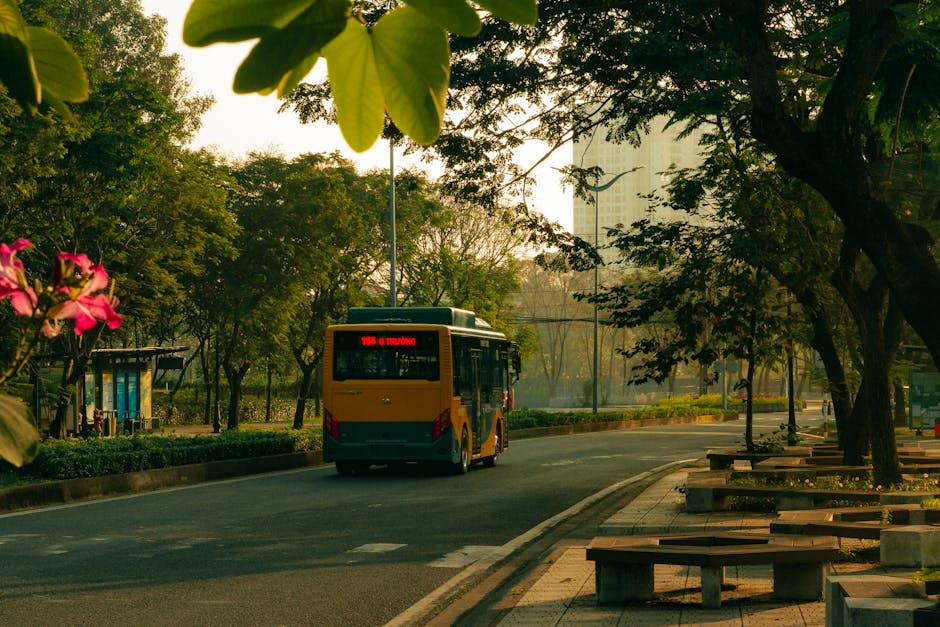
1) Main Cards Available and When to Use Them
On Gran Canaria there are mainly two operators and their cards: Guaguas Municipales for the city of Las Palmas de Gran Canaria, and Global for the island-wide interurban network. Each offers rechargeable cards (often called “tarjeta bono”) to make travel easier. Here are the cards most useful for a short-term resident or tourist:
- Tarjeta Guaguas Municipales (Bono LPA) — A contactless card used on Las Palmas city lines. Perfect for inner-city trips (airport connections, beaches, neighbourhoods like Vegueta, Triana, Playa de Las Canteras).
- Tarjeta Global (Tarjeta Bono Interurbano) — A card meant for connections between towns and municipalities (for example Las Palmas ↔ Maspalomas, Las Palmas ↔ Agaete, Telde ↔ Arinaga).
- Combined / tourist cards — Some agencies and tourist offices sell mixed cards or unlimited-day passes valid across multiple operators; these can be worthwhile for short, activity-packed stays.
- Special cards — Monthly/named subscriptions for students and seniors, social cards for low-income families.
Indicative prices (examples; check at purchase):
- Single Guaguas Municipales ticket in the urban zone: €1.40 (when paid with the card, reduced compared to cash). Validation is mandatory on boarding.
- Guaguas Municipales 10-trip bono: around €9.50 (~€0.95 per trip) — a saving if you use the urban network often.
- Global interurban ticket Las Palmas → Maspalomas (long trip, GC-1): roughly €6.00 to €8.50 depending on final stop and card fare.
- Typical minimum top-up: €5.00 on a rechargeable card at a shop or machine.
Where to buy and top up:
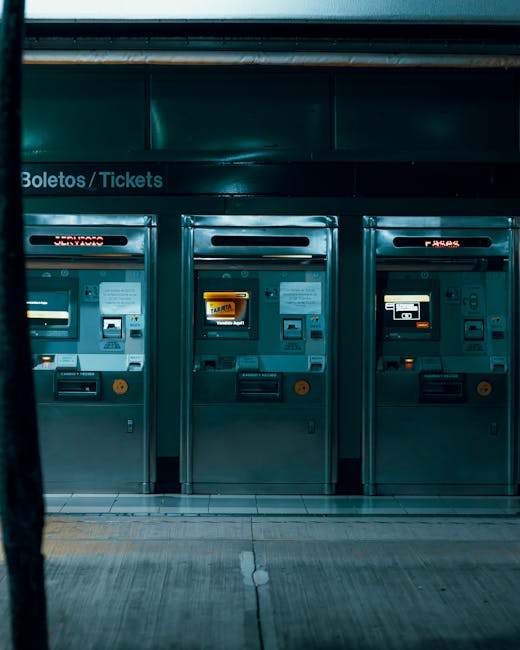
- Estación de San Telmo (Plaza de San Telmo, 35008 Las Palmas de Gran Canaria) — ticket office and machines. Hours: 07:00–21:00. Cards for Guaguas Municipales and Global top-ups available via counters and ticket machines.
- Guaguas Municipales Terminal (Avenida José Mesa y López, 35201 Las Palmas de Gran Canaria) — main office, hours 08:00–20:00.
- Secondary sales points: kiosks, tobacco shops, tourist offices, and Global outlets across municipalities (Maspalomas, Puerto de Mogán, Agaete).
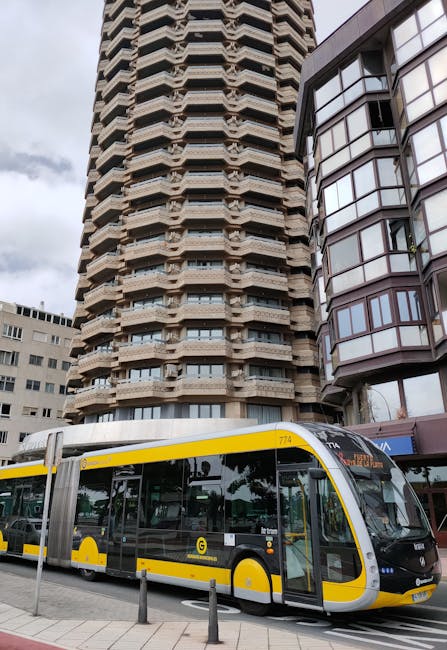
2) Step-by-Step: Buying, Topping Up and Validating
Getting and using a transport card in Gran Canaria is straightforward but there are a few steps to avoid common mistakes. Below is a step-by-step process with example addresses and opening hours for main service points.
Step 1 — Initial purchase:
- Go to a sales point: for example, the counter at Estación de San Telmo (Plaza de San Telmo, 35008 Las Palmas de Gran Canaria). Main office hours: usually 07:00–21:00, but check during peak season.
- Ask for a Tarjeta Bono (Guaguas Municipales or Global). The blank card fee: between €2.00 and €5.00 depending on the operator (initial issuance cost).
- Provide ID if getting a named card (required for student/senior subscriptions).
Step 2 — Topping up:
- Common minimum top-up: €5.00. You can top up with cash, bank card or mobile payment at ticket machines.
- Top-up options: automatic machines at bus stations, operator counters, some tobacco kiosks and mobile apps (Global offers an app to manage your balance).
- Check your balance after each top-up by tapping the card on the validator when boarding or by checking your top-up receipt.
Step 3 — Validate when boarding:
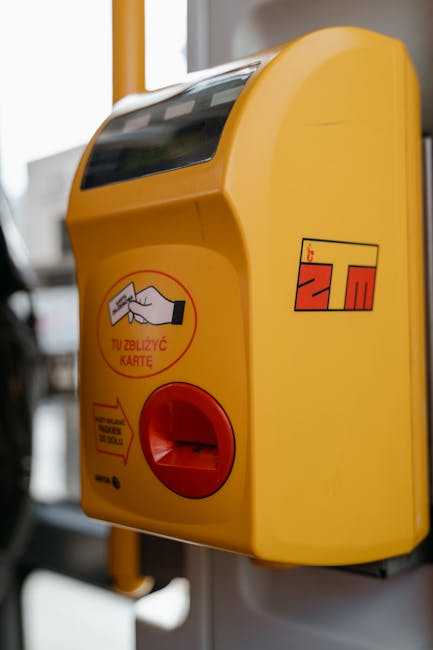
- When the bus arrives, board through the front if possible and hold your card to the validator (a small green/orange device near the driver). You’ll hear a beep and see a screen showing the balance or the validated trip.
- If you travel through multiple zones, the validator may calculate the fare according to distance. On some interurban trips you may need to tell the driver your destination so the correct fare is applied.
- Don’t keep the card inside a thick wallet when tapping: separate it from other contactless cards to avoid read errors.
Useful schedules:
- Guaguas Municipales urban lines: first services around 05:30–06:00, last services around 00:30 (varies by route). Daytime frequency: every 10–30 minutes on main sections.
- Global interurban lines (e.g. Las Palmas ↔ Maspalomas via GC-1): service from 06:00 to 23:00, frequency 20–60 minutes depending on season; some direct lines have reduced evening schedules.
3) Detailed Fares, Subscriptions and Money-Saving Tips
Fares on Gran Canaria can seem complex because they vary by operator, distance and user type. Below is a detailed summary with approximate prices, subscription types and tips to save money.
Common fares — practical examples:
- Guaguas Municipales (Las Palmas de Gran Canaria) :
- Single ticket paid in cash: €1.45 (indicative).
- Ticket paid with the Tarjeta Bono: €1.20 (discounted vs cash).
- 10-trip bono: €10.00 (about €1.00 per trip).
- Global (interurban) :
- Short distance (e.g. Las Palmas → Telde): €2.00–€3.50.
- Medium distance (e.g. Las Palmas → Maspalomas): €6.00–€8.50.
- Interurban 10-trip bono varies: typically a 20–30% discount depending on distance. Example: 10 trips Las Palmas–Maspalomas: ~€55.00 (estimate).
Monthly subscriptions and discounts:
- Monthly resident subscription (named) Guaguas Municipales: preferential rate for workers and students, required documents (residency certificate, student card). Example: €30–€40 / month for unlimited urban travel.
- Multi-network subscription: sometimes available through the island’s Transport Department, it may cover both Global and Guaguas for commuting; check conditions and registration points (public transport service in Las Palmas).
- Reduced fares: seniors >65, youth/students (European student card), people with disabilities — supporting documents required.
Money-saving tips:
- Use the 10-trip bonos if you plan more than 3 trips a day for several days.
- Prefer contactless cards over paper tickets: lower fares and easier balance management. Register it if you qualify for a reduced fare.
- Schedule long journeys outside peak hours when possible (avoid GC-1 early morning and late afternoon in high season).
- Combine bus + walking in central areas (Vegueta, Triana, Las Canteras) to avoid paying for a long interurban trip for short distances.
4) Real-life Examples: Common Routes, Transfers and Local Tips
To make it concrete, here are a few real-life examples with routes, indicative schedules, boarding addresses and local tips that save time.
Route A — From Gran Canaria Airport (LPA) to the south (Maspalomas / Playa del Inglés):
- Starting point: Aeropuerto de Gran Canaria (LPA), 35100 Telde — bus stop right outside the terminal. Recommended buses: Global services or direct A1/A2 lines depending on season.
- Approximate duration: 25–50 minutes depending on the line (A1 express); distance: around 30–40 km via the GC-1.
- Price: direct A1/A2 ticket: about €3.00–€5.00 (some lines have a special airport fare). With a Tarjeta Global: possible discount; check at airport sales points.
- Local tip: buy or top up your card at the transport office in the airport (counters and ticket machines available) to avoid queues when you arrive in Maspalomas.
Route B — From Las Palmas (Plaza de San Telmo) to Puerto de Mogán:
- Starting point: Estación de San Telmo, Plaza de San Telmo, 35008 Las Palmas de Gran Canaria. Global lines serving the southwest: check line 30/66 depending on season.
- Approximate duration: 1h30–2h depending on stops and tourist traffic.
- Price: €8.00–€12.00 depending on the line and whether it’s an express. The Global card speeds up payment.
- Practical tip: in high season, arrive 10–15 minutes before departure and sit on the left side to enjoy the coastal views.
Transfers:
- To switch from a Guaguas Municipales line to a Global line: validate the first card when boarding; at the transfer, present the same card if compatible or purchase a Global top-up. Some combined cards allow a free transfer for a short period (ask at the counter).
- If you take a ferry from Puerto de Las Palmas (Puerto de la Luz y de Las Palmas, Muelle de Sanapú / Muelle de La Esfinge), locate the nearby bus stops for quick connections (stops are marked with signs and serviced by urban lines).
Extra local tips:
- Keep small change for quick top-ups in case you find a machine that doesn’t accept bank cards.
- During local festivals (Romerías, Las Palmas Carnival), special services may run; check schedules and extra lines.
- In the mountains (Tejeda, Artenara), frequencies are lower: plan return trips in the late afternoon to avoid being stuck in an isolated village.
Conclusion — Use Your Pass Wisely and Enjoy Gran Canaria
Transport cards in Gran Canaria are practical and economical tools when used correctly. Whether you’re a short-term visitor, seasonal worker or resident, picking the right card — Guaguas Municipales for urban travel, Global for interurban connections, or a combined option — will save you time and money. Key takeaways: get a contactless card on arrival (airport, Estación de San Telmo), top it up regularly and validate it every time you board. Know the main schedules (urban services from early morning, interurban services regular but variable in the evenings) and where to top up (counters, machines, kiosks) to plan your days and excursions to beaches, mountain villages or attractions like Tamadaba Natural Park.
It’s also important to adapt to the local rhythm: the most popular links (Las Palmas ↔ southern tourist areas via GC-1) are frequent and well served, while secondary routes sometimes require more careful planning. Consider subscriptions if you stay a month or more, and named cards if you qualify for a discount. Finally, follow validation rules to avoid fines and take advantage of 10-trip bonos if you expect regular journeys.
In short: ask at the ticket office (Estación de San Telmo, Global and Guaguas Municipales offices), buy a card that fits your profile (tourist, resident, student), top up regularly, validate on every boarding and use mobile apps to track your balance and real-time schedules. With these habits, Gran Canaria becomes not only easier to access but more enjoyable to explore: whether it’s a scenic coastal ride, a morning on Las Canteras or a mountain escape, transport cards are your best ally for discovering the island with peace of mind.