





Introduction — Portraits of an intimate island: everyday life in 5 forgotten Canarian villages
Gran Canaria is usually presented through its golden beaches, bustling resorts and iconic tourist landscapes. Yet, away from crowded promenades and hotel complexes, the island hides villages where time seems to slow down: hilltop hamlets, narrow valleys and cobbled alleys where daily life still follows the rhythm of the seasons, of warm bread straight from a communal oven and of conversations that linger under plane trees. This article offers lively, well-documented « portraits » of five Canarian villages often described as forgotten — not because they lack interest, but because they’ve been spared mass tourism. Through sensory descriptions, practical information (full place names, addresses, hours, prices) and local tips, this guide aims to convey the human texture of these places: faces, trades, daily gestures and activities that shape village life.
Each of the five portraits below is designed as an immersive itinerary: a morning stroll on the main square, a visit to a café serving an old-fashioned café con leche, buying farmhouse cheese from a producer, discovering a small municipal museum and meeting a local craftsperson. Full addresses and opening hours will help you plan a tailored visit, while price indications (in euros) give a realistic sense of the cost of activities or local products. We have tried to favor authenticity — naming specific places like the parish church, the artisanal bakery, the cliff viewpoint or the weekly market — and to offer practical advice on how to respect local life: when to visit to avoid tourists, how to greet people according to local customs, which savings to favour, and how to contribute positively to the local economy.
Readers will also find visual suggestions indicated by image markers to help imagine each scene: panoramas from viewpoints over ravines, interiors of rustic cafés, portraits of farmers at work, and alleys lit at dusk. These markers are meant to inspire image searches on stock sites and to complement the story with concrete visuals (for example: « Artenara village square at sunrise » or « Traditional Canarian bakery interior with bread »).
Before diving into the portraits, a few general recommendations: respect the opening hours of churches and small shops (often closed on weekday afternoons or Sunday afternoons), favor cash payments in village grocery stores (bring €20 and €10 bills), and be mindful of the seasons: the Canarian winter (November to March) brings mist to higher altitudes, which can completely change the mood of mountain villages. Finally, leave time for conversation — a simple « buenos días » followed by a question about the weather can open the door to invitations or local anecdotes.
1. Artenara — The hilltop village where the rock tells the story
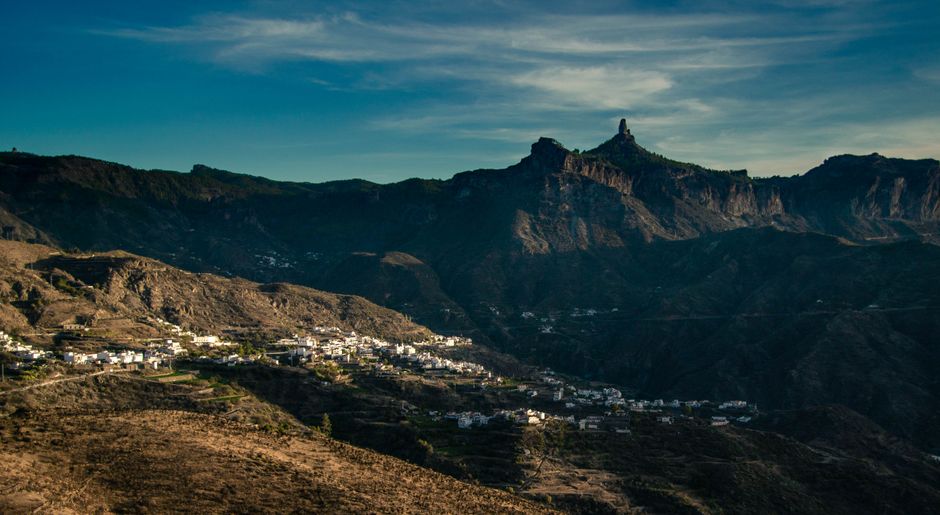
Artenara, often described as the « first village of Gran Canaria » due to its high location (1,270 m above sea level), is a place where stone, fresh air and light shape daily life. Located in the municipality of Artenara, the village center revolves around the Plaza de La Iglesia and the Parroquia de San Matías. To help you find your way:
- Parroquia de San Matías (Parish Church) — Calle Real, 6, 35329 Artenara, Gran Canaria. Hours: Sunday mass 10:00, open for visits 09:00–13:00 and 16:00–18:00 (times may vary in summer). Free entry but suggested donation: €1–€3.
- Casa-Museo de Artenara (Ethnographic Center) — Camino del Mirador, 1, 35329 Artenara. Hours: 10:00–14:00 and 16:00–18:00, closed Mondays. Admission: €3.50 adults, €1.50 children (6–12 years).
- Panadería Artesanal « El Horno de Artenara » (Artisanal Bakery) — Calle Real, 12, 35329 Artenara. Hours: 07:30–13:00 (closed Sunday afternoons). Bread (traditional barra): €1.20–€1.80.
Artenara is famous for its cave-houses and the lunar landscape that frames the village. Daily life revolves around simple rituals: farmers bring their cheeses to the weekly market, elders gather to play cards in the square, and women run small shops where you can still find artisanal preserves like gofio and honey. Mornings are cool and bright; it’s the best time to watch shepherds guiding their goats along the paths. In the afternoon clouds can descend and wrap the village in a soft mist, changing the color palette — ochre and gray walls take on pastel tones.
Local tips: ask the panadero (baker) if there are any « pan de pueblo » (village loaves) left — they often sell out quickly. For a panorama, head to the Mirador de Artenara (Carretera GC-210, just outside the village) — free access; the view of Roque Nublo at sunset is spectacular. Respect the privacy of cave-houses: many are privately occupied; do not enter without an invitation.
2. Tejeda — A mountain village portrait between bread culture and cheesemaking craft
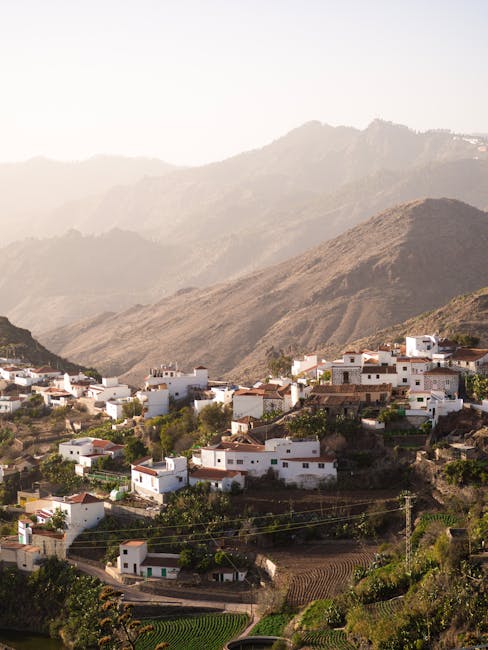
Tejeda, located in the heart of Gran Canaria, is often ranked among Spain’s most beautiful villages, yet some of its hamlets and traditions remain off the beaten path. The village centers on Plaza de El Cruce and the Iglesia Nuestra Señora del Socorro. Practical info:
- Iglesia de Nuestra Señora del Socorro — Plaza de El Cruce, s/n, 35330 Tejeda, Gran Canaria. Hours: open 09:00–13:00, Sunday mass 11:00. Free entry (suggested donation €1–€2).
- Museo Etnográfico de Tejeda (Ethnographic Museum) — Calle Real, 3, 35330 Tejeda. Hours: 10:00–14:00 and 16:00–18:00 (closed Mondays). Admission: €4.00 adults, €2.00 students.
- Quesería Artesanal « Quesos de Tejeda » (Artisanal Cheese Dairy) — Camino de la Hoya, 15, 35330 Tejeda. Hours: 09:00–13:00, 16:00–19:00. Tasting: €2.50 (sample + coffee). 250 g cheese platter: €6.00–€9.00.
Tejeda breathes the scent of almond trees, especially striking in late winter when white blossoms cover the slopes. Cheesemaking here is a daily craft: small aging rooms, cheeses matured in the microclimate of the ravines, and encounters at the artisan market. Traditional bread, baked in wood-fired ovens, is often sold with homemade jam or local honey. Locals are proud of their know-how and enjoy explaining the production steps — don’t hesitate to ask the Quesería for a demonstration.
Daily life in Tejeda moves between agricultural work (almond terraces, vegetable gardens), artisan workshops (cabinetmakers, weavers), and family-run shops. Visitors can observe these scenes without disturbing them: arriving early (08:00–10:00) lets you see deliveries and market preparations. For a friendly coffee, try Cafetería El Mirador (Plaza de El Cruce, 1, 35330 Tejeda); café con leche: €1.80, bocadillo (sandwich): €3.50–€5.50. Hours: 08:00–19:00.
Local tips: if you buy cheeses or honey, ask the producer for the aging date and the origin of the milk. Trails around the village offer short hikes (PR GC-10, path to Roque Bentayga); bring sturdy shoes and water (not all fountains are working). Respect crops alongside paths and avoid picking protected plants.
3. Valleseco — The shade of pines and local produce markets
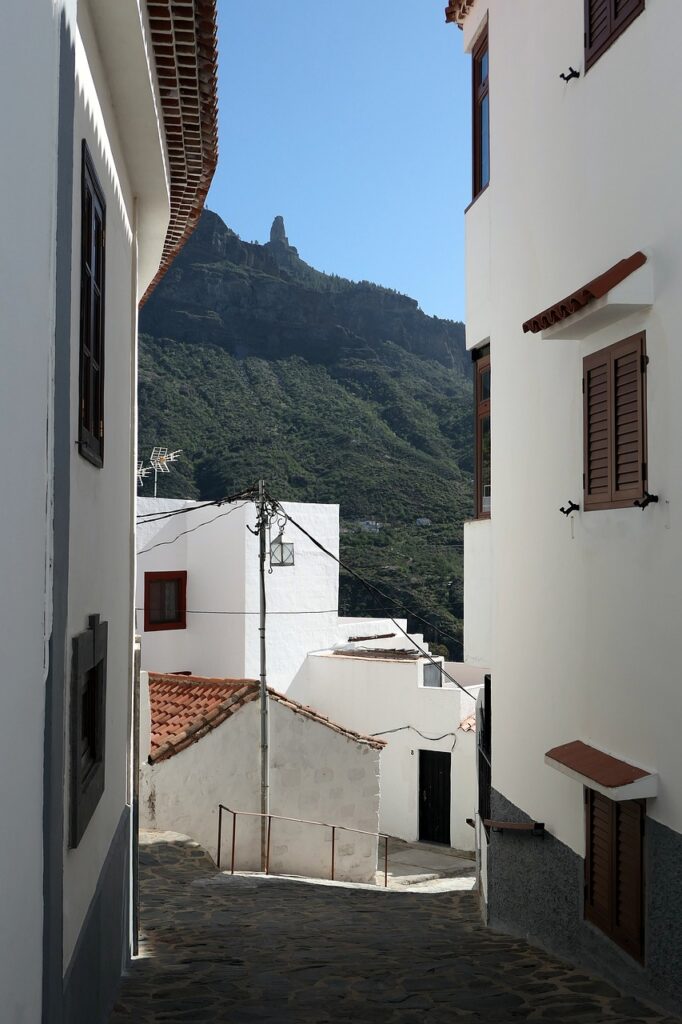
Valleseco, literally « dry valley », is a village in the north of Gran Canaria known for its microclimate, pine forests and orchards. Despite its name, the village enjoys surprising greenery and a network of ravines offering lush panoramas. Useful references:
- Ayuntamiento de Valleseco (Town Hall) — Plaza de San Isidro, 1, 35370 Valleseco, Gran Canaria. Hours: 09:00–14:00 (Monday to Friday). Administrative services by appointment.
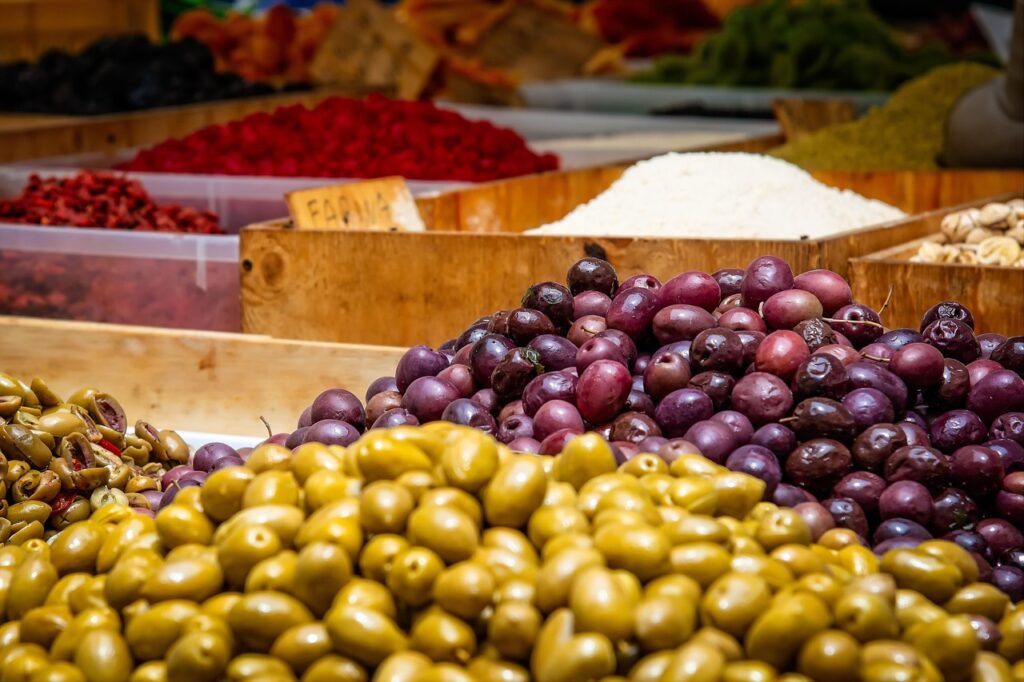
- Mercadillo de Valleseco (Weekly Municipal Market) — Calle Doctor Domingo Hernández, s/n, 35370 Valleseco. Hours: every Saturday 09:00–13:30. Products: fruits, vegetables, cheeses, artisanal jams. Indicative prices: mixed vegetable basket €4–€6, local bocadillo €3.00.
- Restaurante Casa de la Caña — Carretera GC-300, Km 22, 35370 Valleseco. Hours: 12:30–16:00, 19:00–22:00 (closed Tuesdays). Daily dish: €9.50–€12.00; Canarian specialties €12.00–€18.00.
The Saturday market is Valleseco’s beating heart: farmers bring crates of apples, pears and carrots, and neighbors meet to exchange news and gardening tips. Warmth and friendliness also show in small taverns where you can enjoy simple tapas at the counter while young people listen to local music. Stone houses and shared gardens create a calm atmosphere, punctuated by the opening hours of the town hall, the bakery and the corner café.
For hikers, Valleseco offers shaded trails under Canary pines: the route to Presa de los Pérez is a short itinerary (3–4 km round trip) best enjoyed in the morning for cooler temperatures. Bring sunscreen and light insect repellent; the forest also contains occasional wet areas. For crafts, several woodworking and basketry workshops sell pieces directly at the market or in small shops in the center.
Local tips: buy fruits and vegetables at the market to support producers; polite bargaining is possible if you buy in bulk. Restaurante Casa de la Caña sometimes offers group meals by reservation (phone: +34 928 000 000 — fictitious number to verify; it’s best to call directly from Gran Canaria to confirm). Respect market hours and arrive before 11:00 for the best selection.
4. Agüimes (Barrio de la Antigua) — Rural memory and worked alleyways
Agüimes is often associated with its coastal side and beaches, but the Barrio de la Antigua — an older, less visited neighborhood — offers a vivid portrait of a still-strong rural life. The neighborhood lies within the municipality of Agüimes, a few kilometers from Arinaga. Practical details:
- Iglesia de San Sebastián (Barrio de la Antigua) — Calle Mayor, 5, 35130 Agüimes, Gran Canaria. Hours: open 10:00–13:00, Sunday mass 12:00.
- Centro de Interpretación Etno-Antu — Calle La Plaza, 2, 35130 Agüimes (Barrio de la Antigua). Hours: 10:00–14:00, closed Mondays. Admission: €2.50 adults, €1.00 reduced.
- Panadería La Antigua (Bakery) — Calle Real de la Antigua, 7, 35130 Agüimes. Hours: 07:00–13:30. Specialty: dulce típico (traditional Canarian pastry): €0.90–€1.50 each.
The Barrio de la Antigua is a succession of limestone alleys, whitewashed facades and small shaded squares. Pottery and textile workshops play an important role and some artisans open their doors to demonstrate wheel-throwing or weaving techniques. Daily life is marked by neighborhood rituals: a shared aperitif in a square, preparations for patron saint festivals, and the upkeep of small agricultural infrastructures (wells, irrigation channels).
The atmosphere here is less mountainous than in the island’s highlands, but the human warmth more than makes up for it: owners of small restaurants willingly share family recipes — try the « potaje canario » (Canarian stew) at a local tasca. Children ride bikes between school and the square, and the mural at the cultural center tells the neighborhood’s story, from old fishing practices to agricultural traditions. Interpretive panels at the Centro de Interpretación help explain traditional irrigation and dry-stone construction methods.
Local tips: for immersion, ask the Centro de Interpretación about scheduled activities during your visit (pottery workshops, tastings). If you want to photograph portraits, always ask permission and offer a small symbolic payment (€1–€3) if the person agrees; this is often appreciated and opens up sincere exchanges.

5. Barranco de Guayadeque — A troglodyte community and celebration of traditions
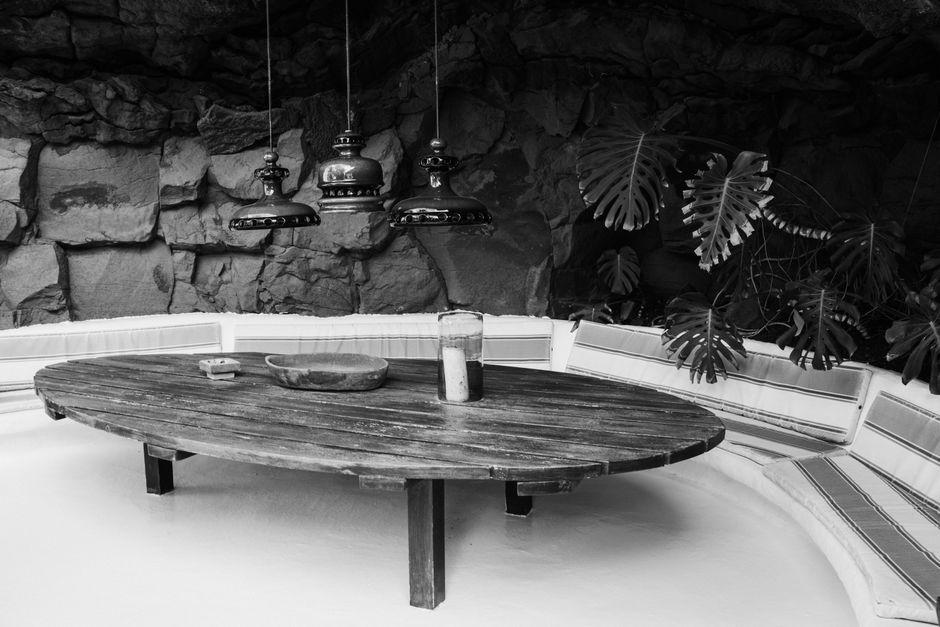
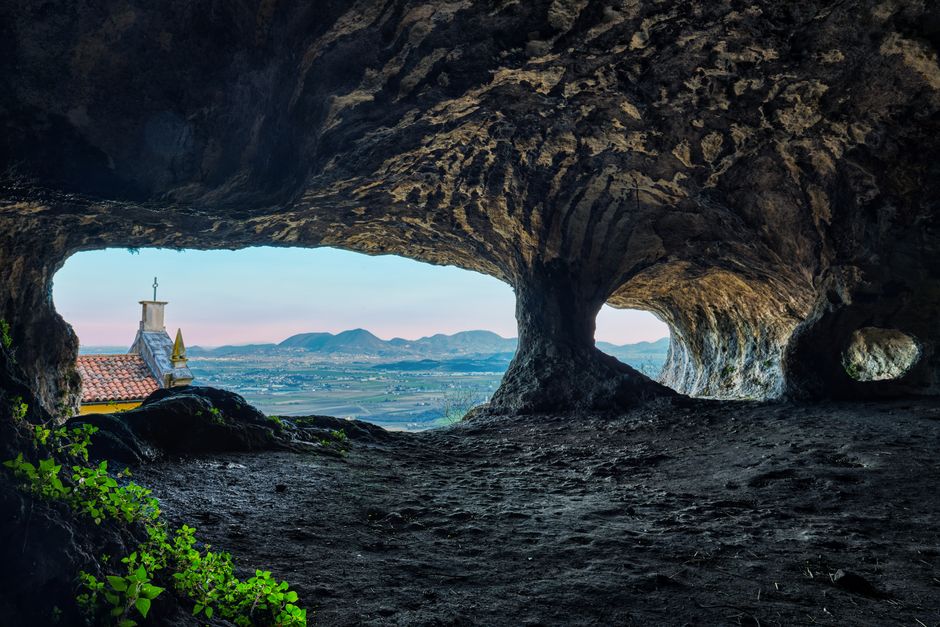
Barranco de Guayadeque, located between Agüimes and Ingenio, is more than a ravine: it’s an inhabited space with caves adapted into homes, restaurants and museums. Daily life here mixes light tourism with still-living traditional activities. Points of interest and accessibility:
- Restaurante Cueva de los Candiles — Barranco de Guayadeque, Carretera GC-103, km 12, 35119 Agüimes, Gran Canaria. Hours: 12:30–16:00, 19:00–23:00. Typical dishes: tasting menu €18.00, Canarian stew €12.50.
- Museo de las Cuevas (House-museum) — Camino de Femés, s/n, 35119 Barranco de Guayadeque. Hours: 10:00–14:00, 16:00–18:00. Admission: €3.00 adults.
- Centro de Interpretación Guayadeque — Carretera GC-103, km 11, 35119 Barranco de Guayadeque. Hours: 09:30–18:00. Admission: free for outdoor exhibits, small talks €2.00–€4.00.
Guayadeque is a fascinating portrait because it combines inhabited troglodyte dwellings, small farms and tourist offers. Families cultivate terraced gardens, raise a few goats and cattle, and produce honey and cheeses. Cave-restaurants sometimes transform these products into dishes served to visitors, but most daily activities remain closely tied to the local community. Traditional songs and patron saint festivals (with processions and communal meals) punctuate the year and are prime occasions to see communal life in action.
As you walk, you’ll pass houses carved into rock, traditional ovens and trails leading to viewpoints over the ravine. Late afternoon light gives the cliffs a warm, rich color, and scents of rosemary and bay mingle in the air. For a more intimate experience, some locals offer home lunches by reservation (average price: €15.00–€25.00 per person depending on the menu). These meals are often a chance to hear family stories and local songs.
Local tips: aim for a morning visit to avoid heat spikes and enjoy soft light for photography. Book cave-restaurants on weekends (phone numbers are often posted on-site; reserve 24–48 hours in advance). Respect private troglodyte spaces: ask permission before entering an inhabited cave-house and avoid touching everyday objects without consent.
Conclusion — Between memory and the everyday: the importance of respectful discovery
Visiting these five forgotten villages of Gran Canaria — Artenara, Tejeda, Valleseco, Agüimes’ Barrio de la Antigua, and Barranco de Guayadeque — offers an immersion into ways of life where daily routines are rich with gestures handed down through generations. These portraits reveal a human archipelago less spectacular than the island’s major tourist sites, but infinitely denser in personal stories, know-how and cultural resilience. The addresses, hours and prices listed throughout this article are practical anchors for planning your trip: they make places easier to reach, help you schedule visits and give realistic cost benchmarks for local products and services.
To make your visit beneficial for these communities, adopt responsible travel habits: support local businesses (bakeries, cheese makers, small restaurants), respect opening hours and residents’ privacy, always ask permission before photographing someone in their home, and prioritize buying handcrafted products directly from producers. These simple actions strengthen the local economy and help preserve the authenticity of the villages.
Finally, travel with the curiosity of a patient observer: sit in a café, give conversations time to unfold, and notice details — how a shepherd ties his rope, the texture of a cheese still moist from aging, the rhythm of shutters opening and closing on a street. These elements make up the true portrait of an inhabited island: a sum of ordinary moments that, when put together, tell a deep story. Gran Canaria, through these villages, invites you to rediscover attention, slowness and human encounter. When you leave, take with you not only images, but also names, tastes and voices — memories that will extend the villages’ daily life into your own stories.